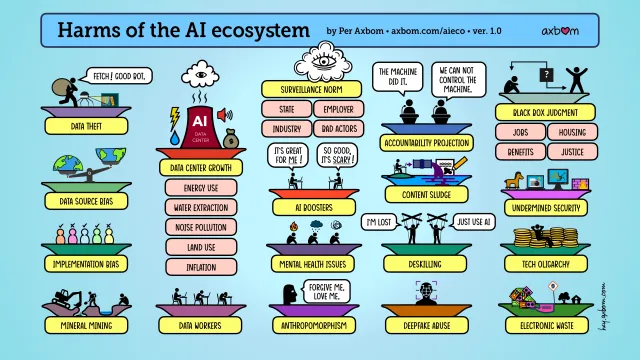
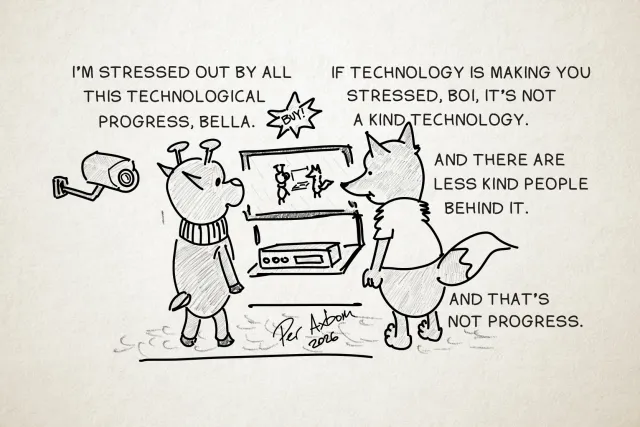
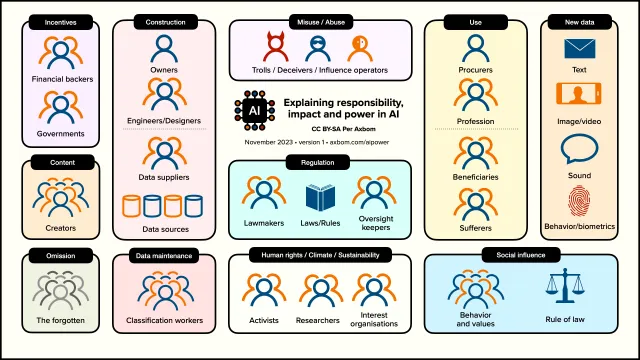
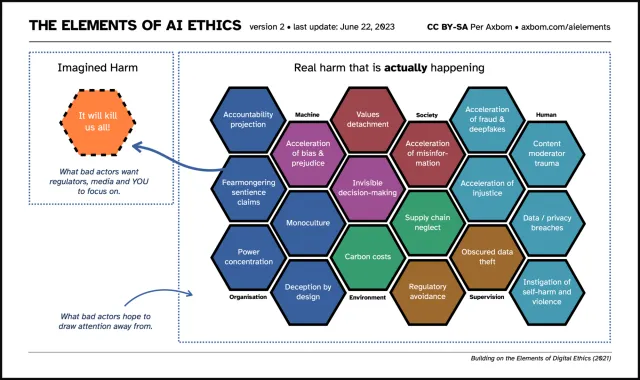
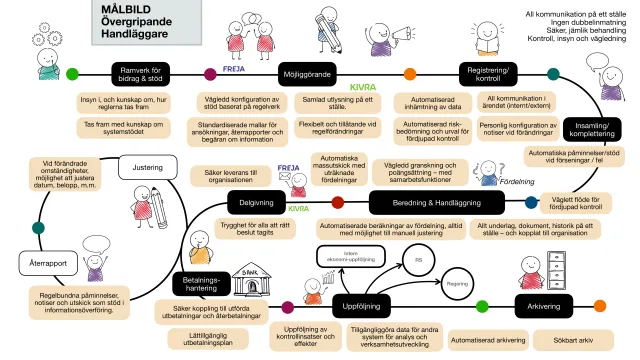
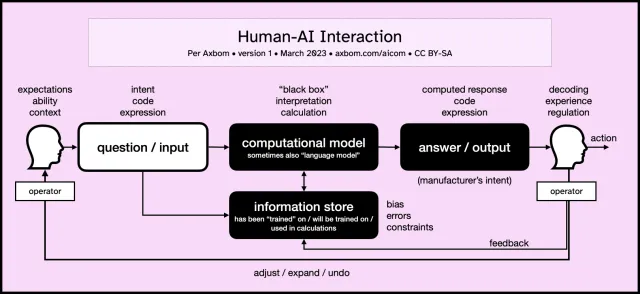
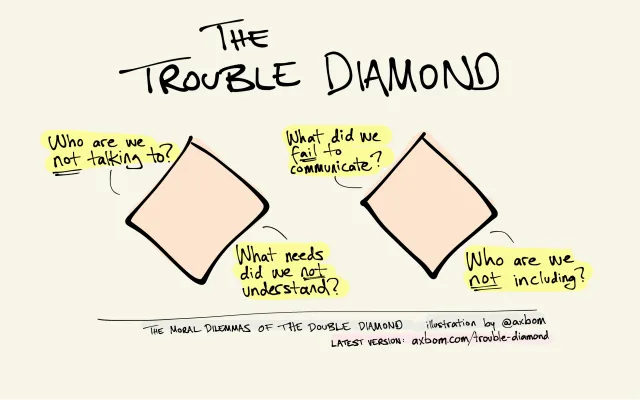
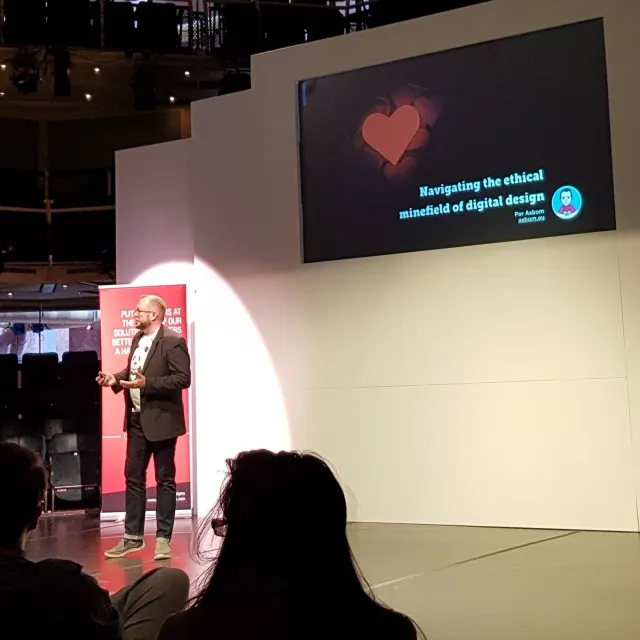
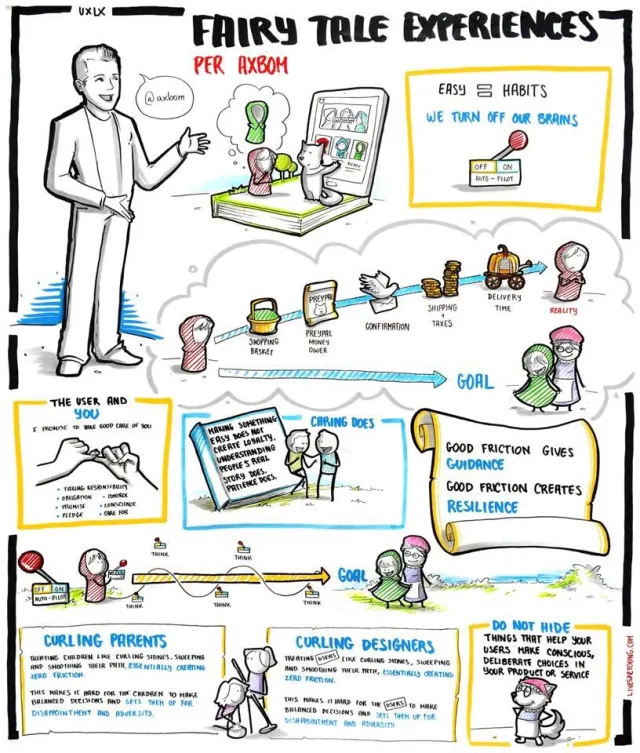
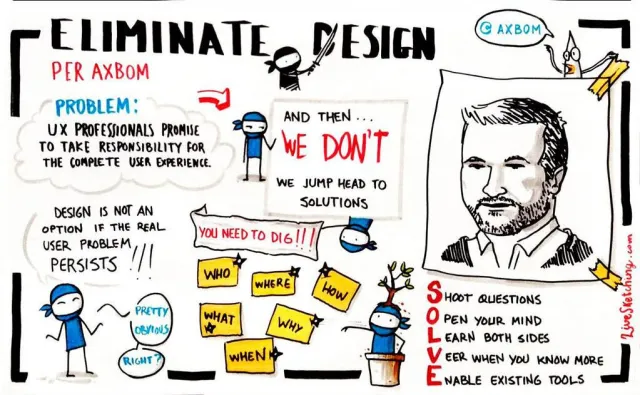
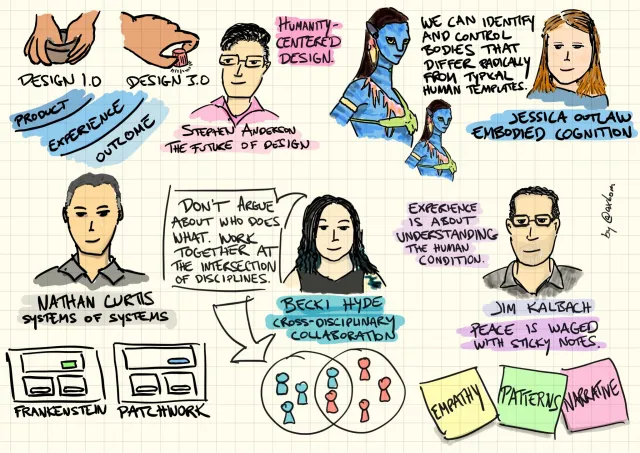
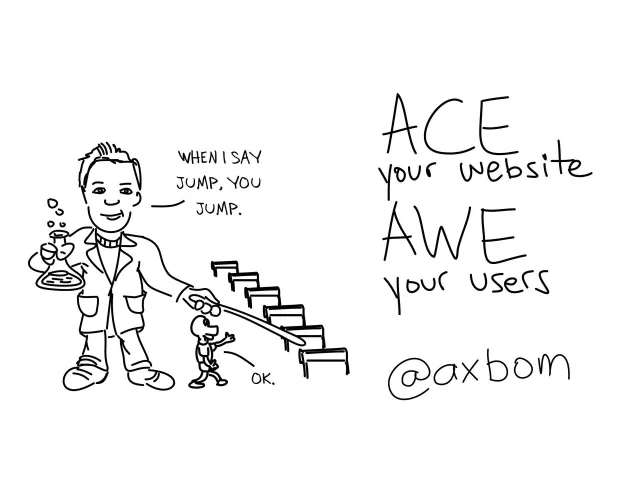
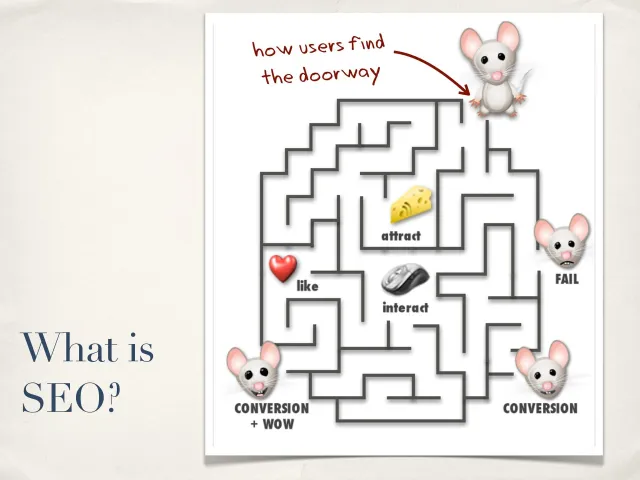
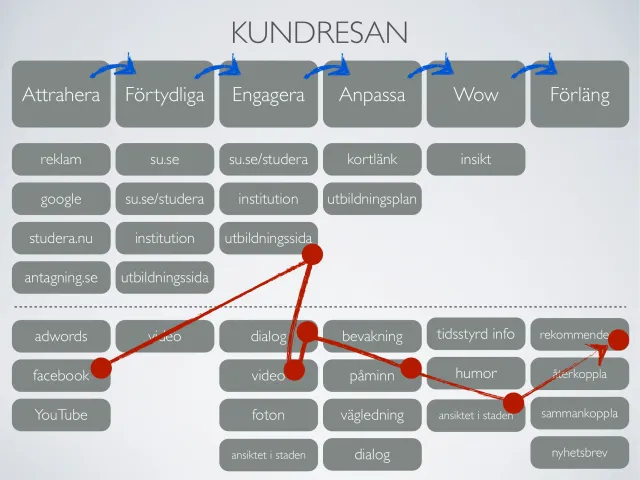
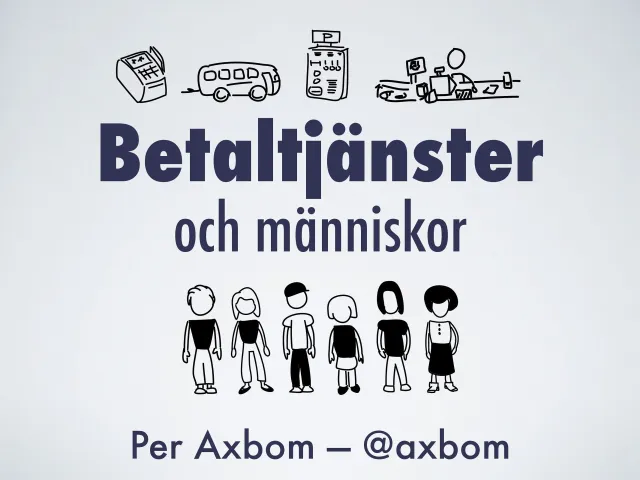
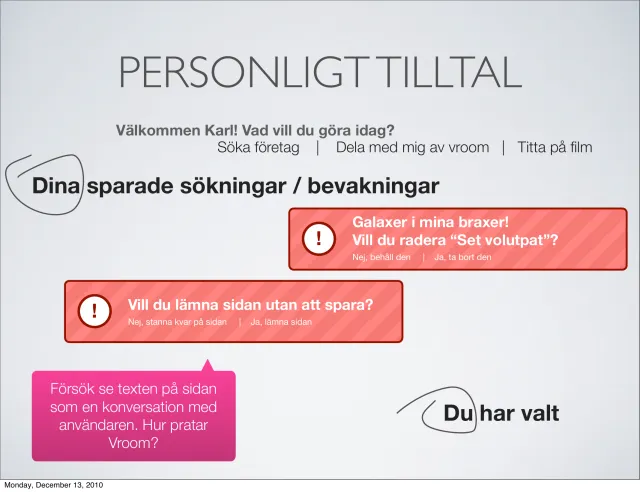
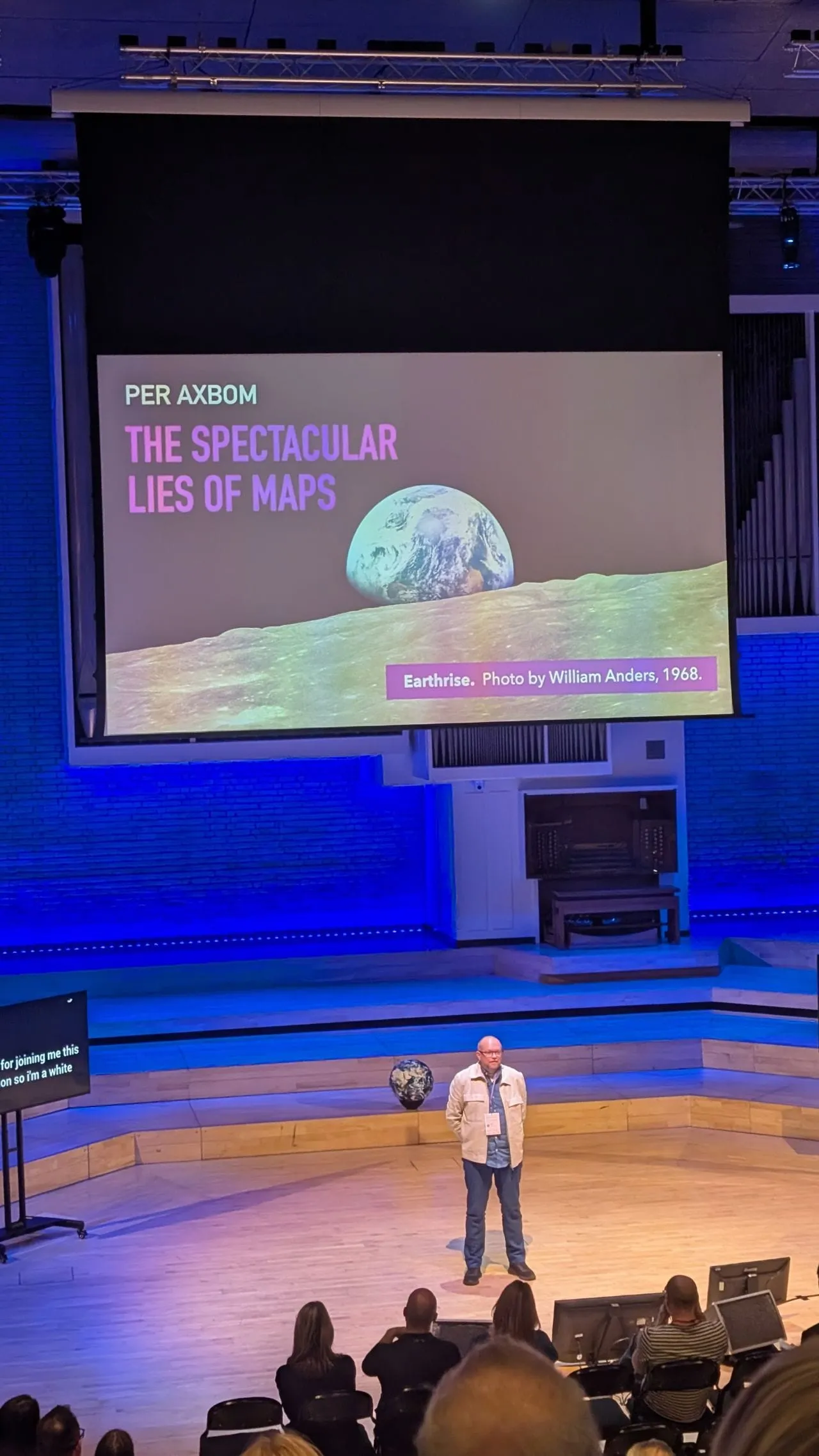
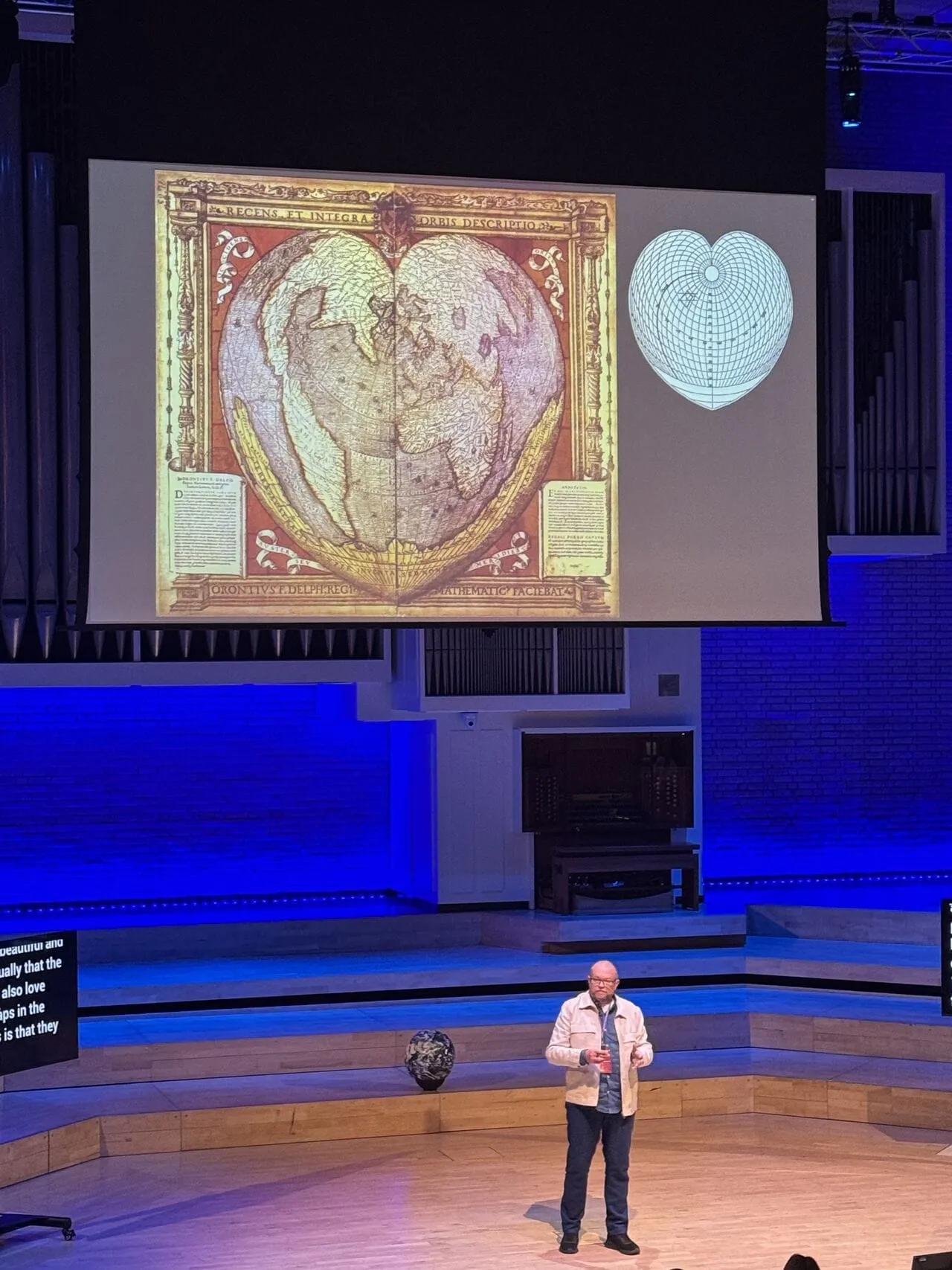
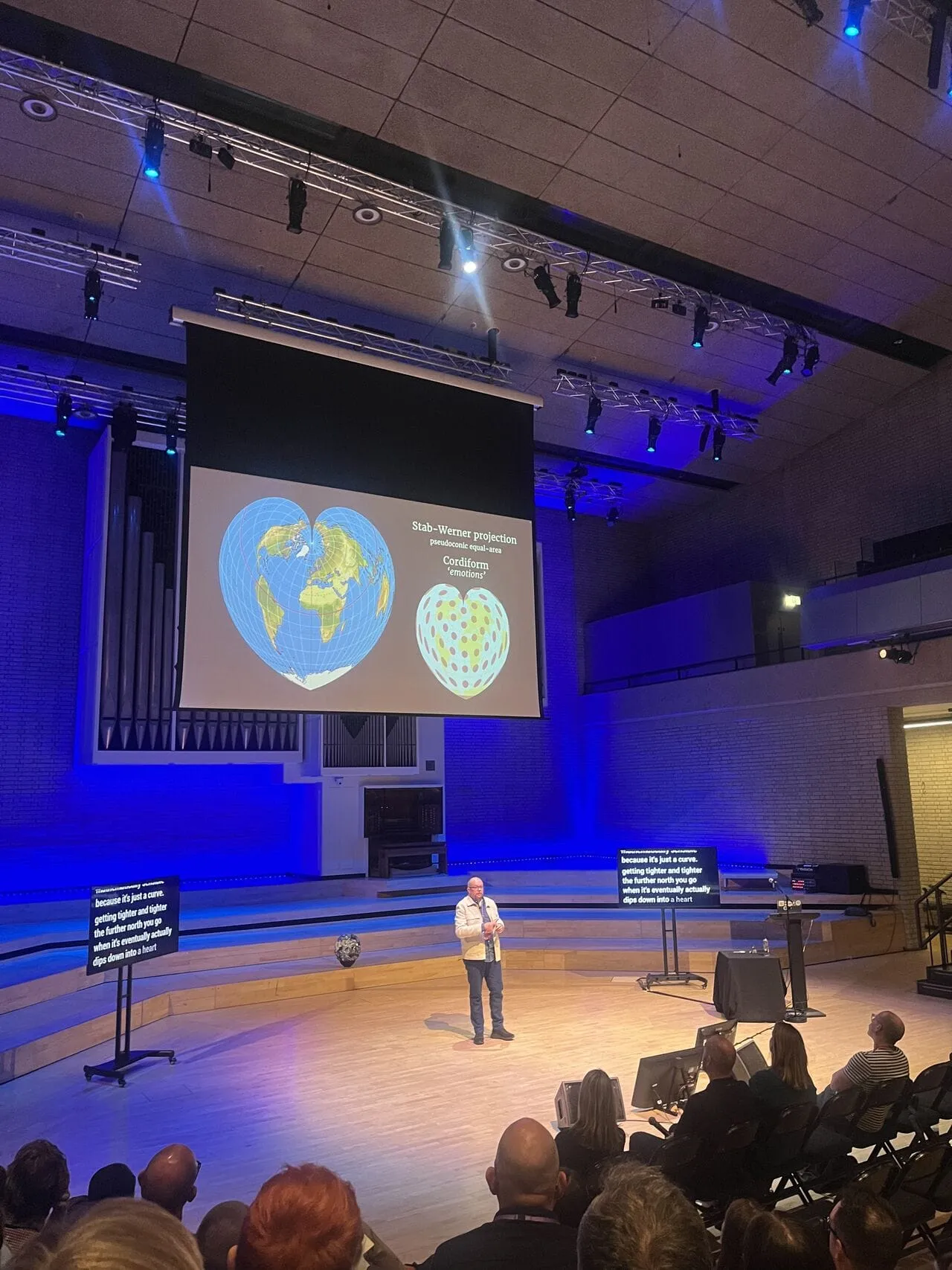
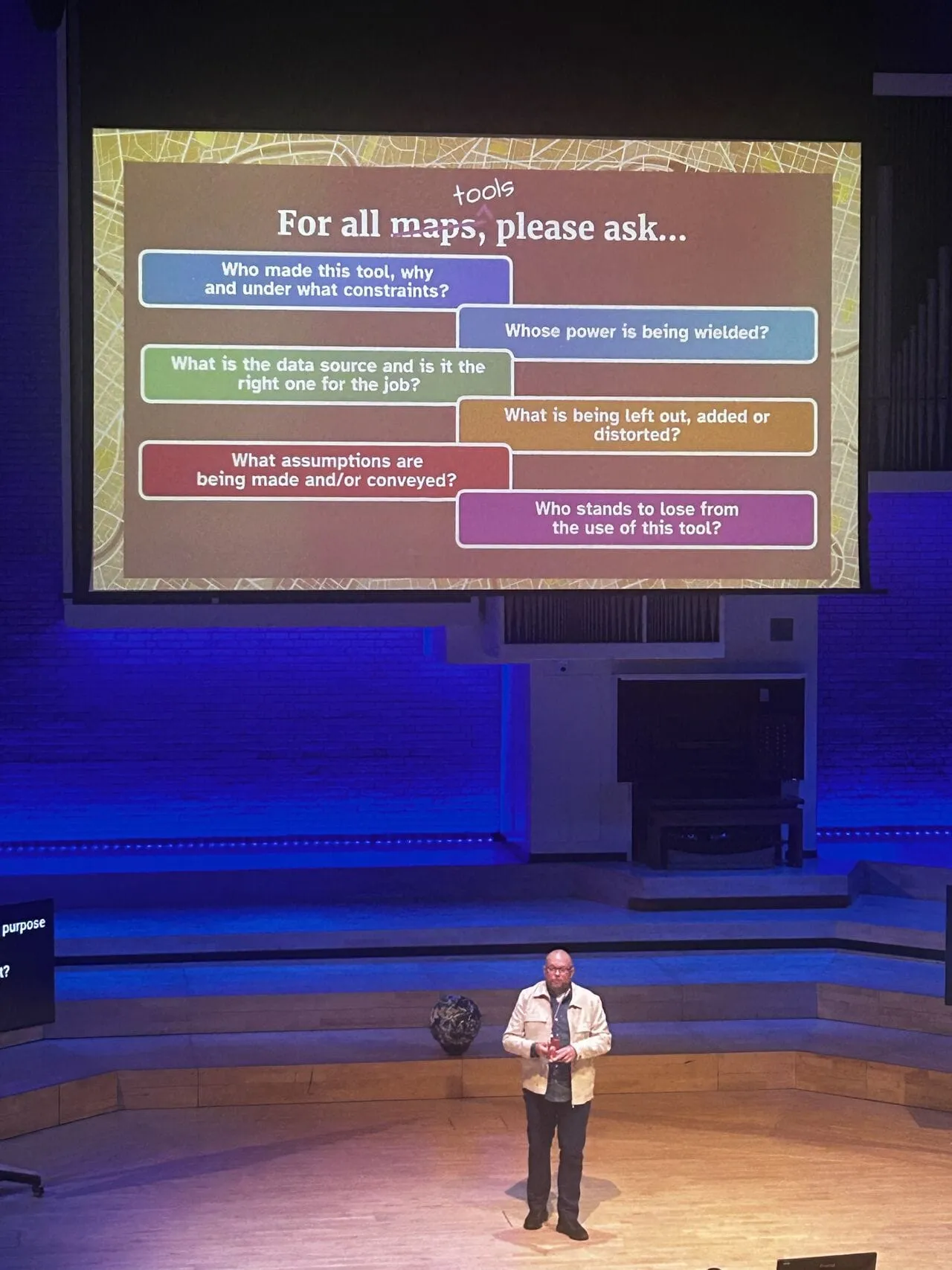
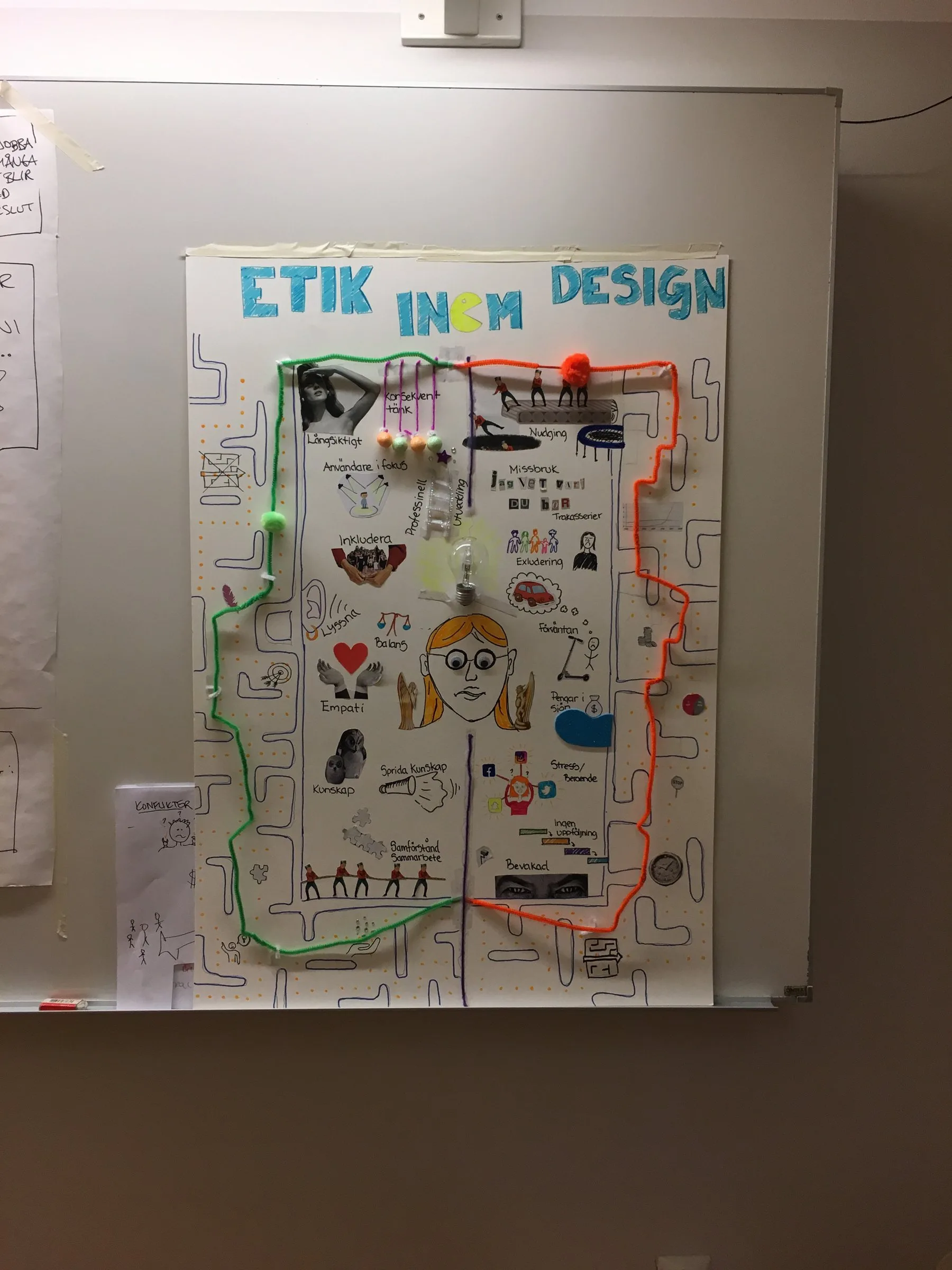
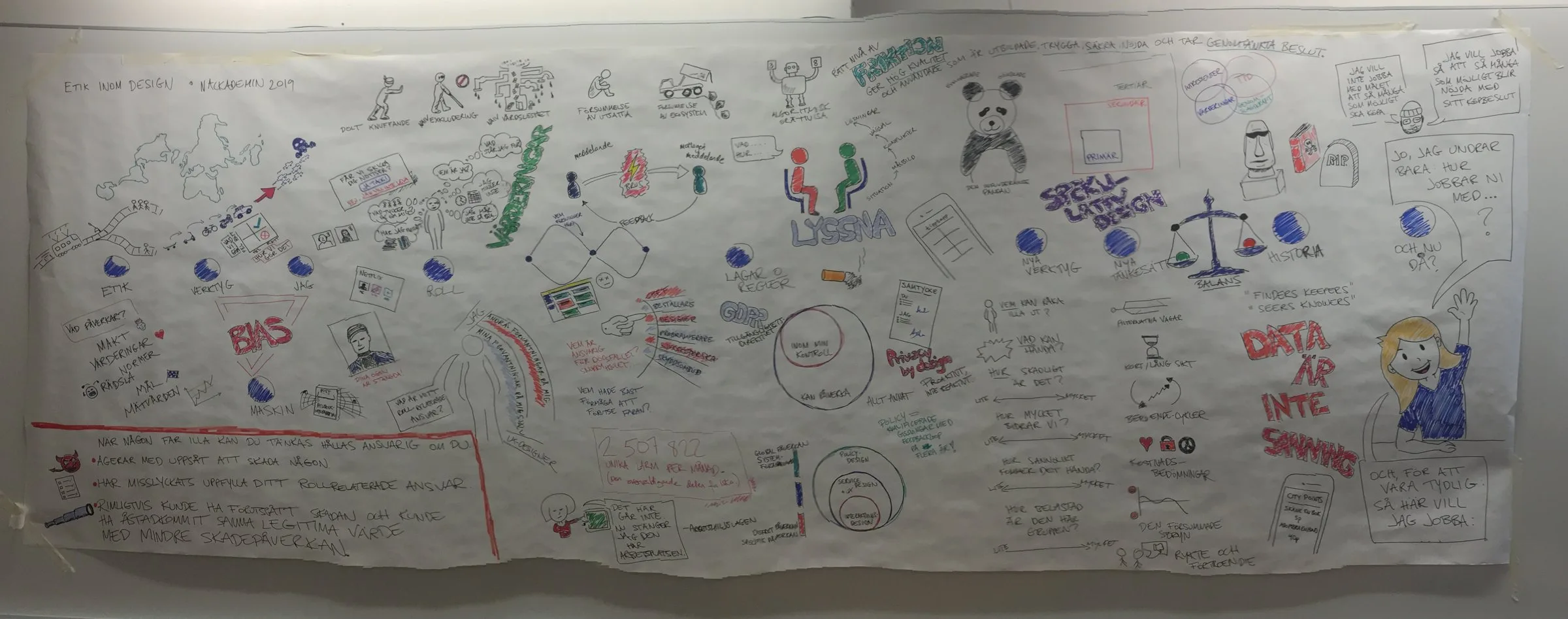
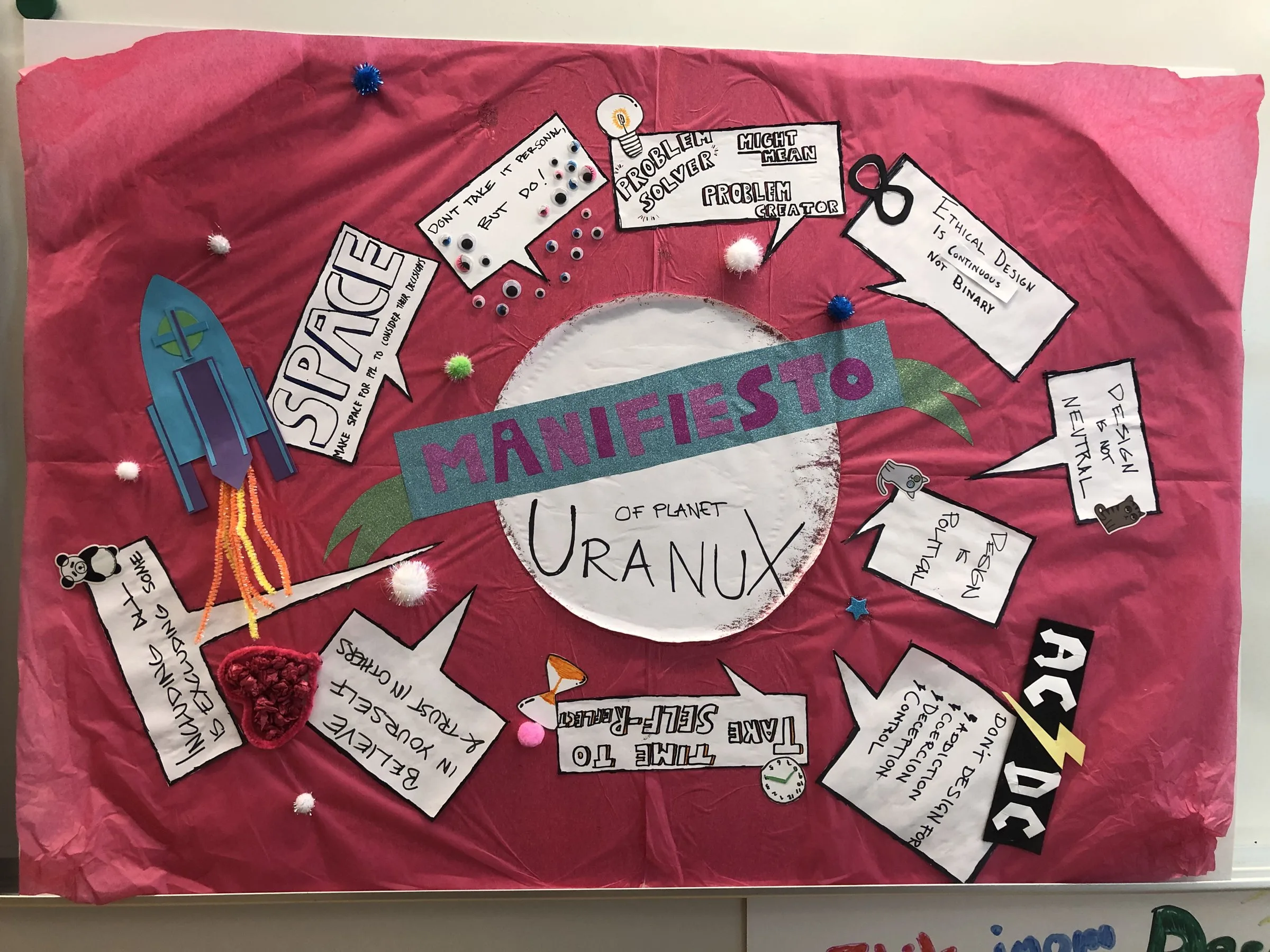
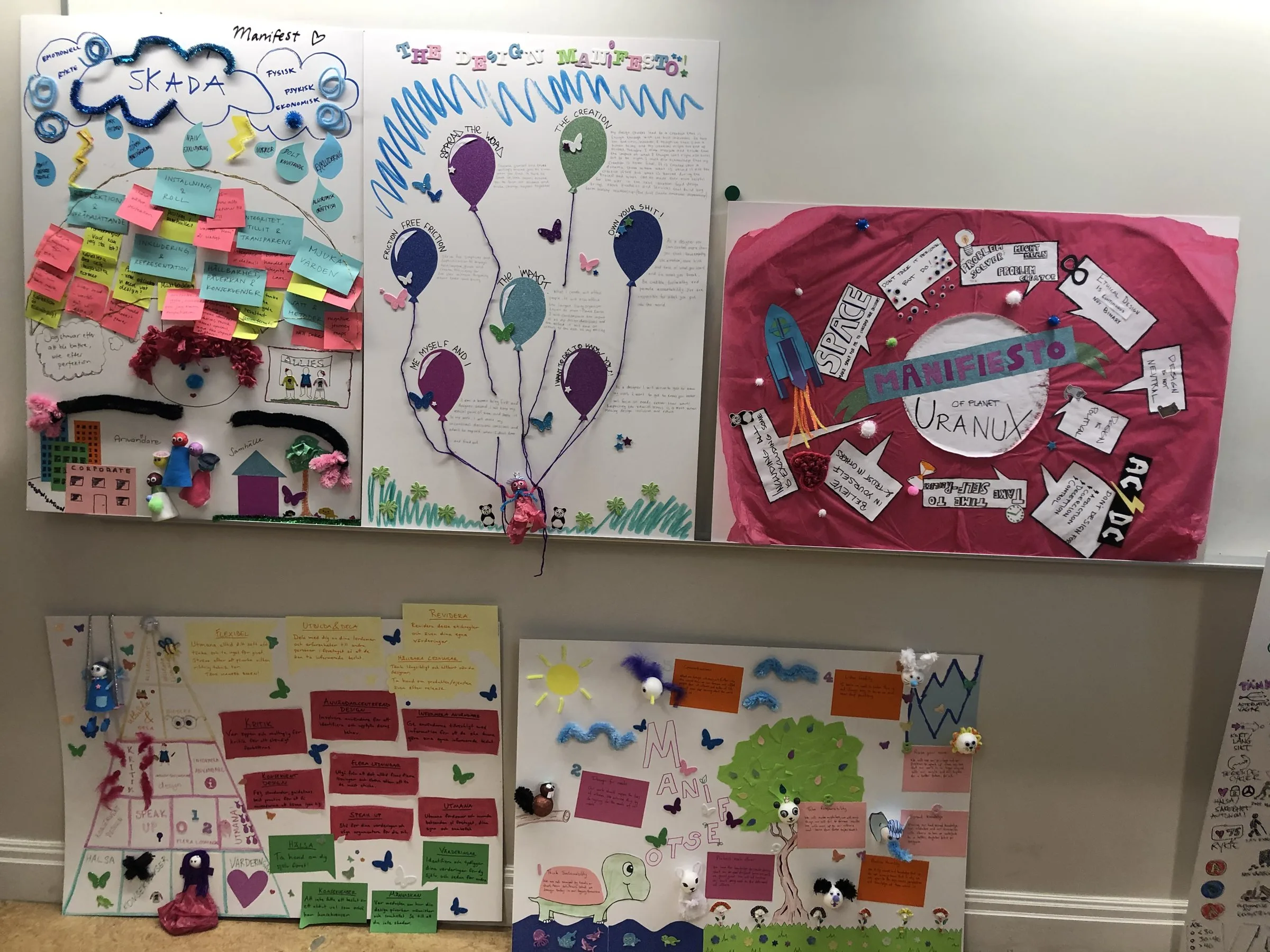
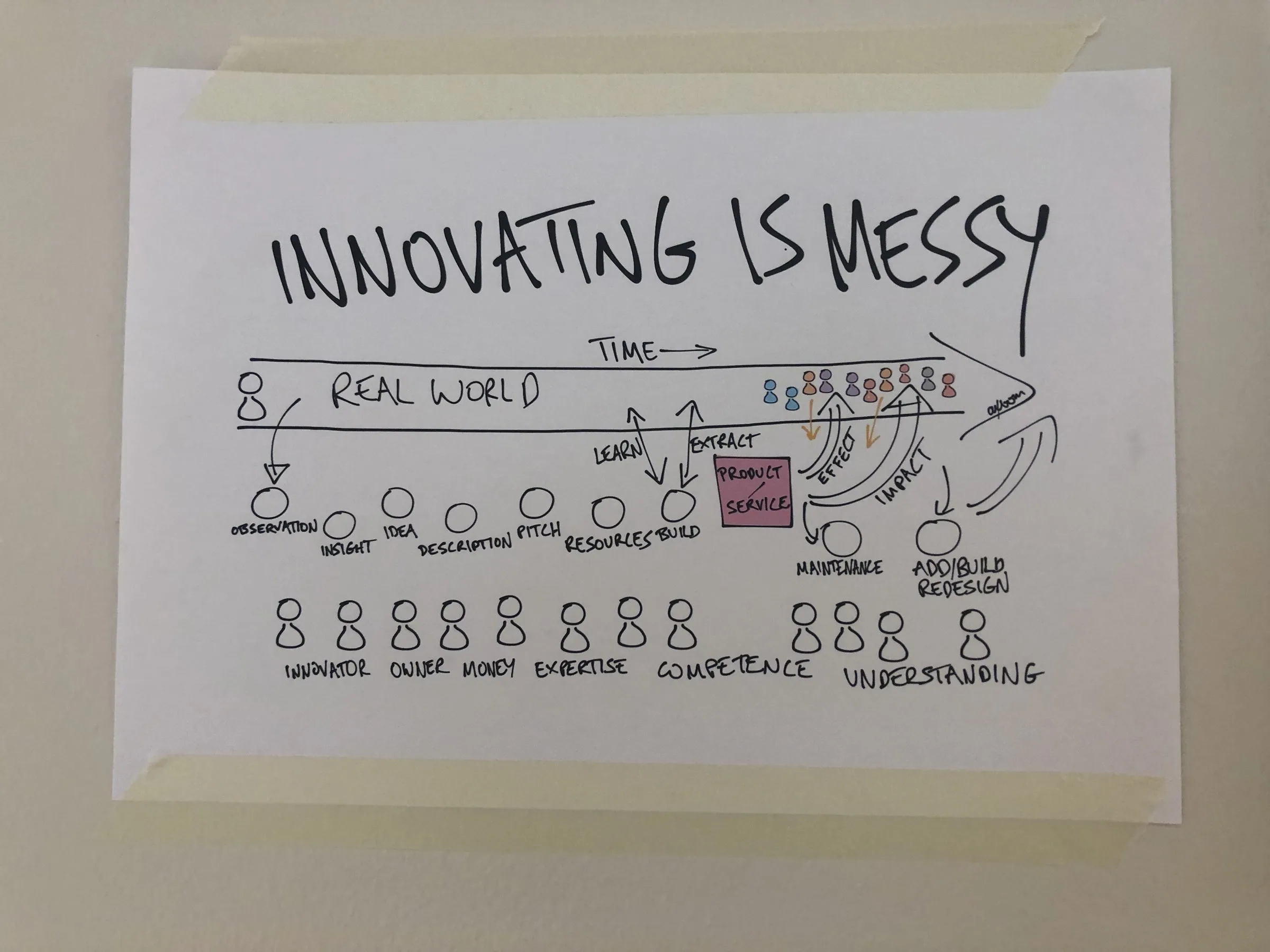
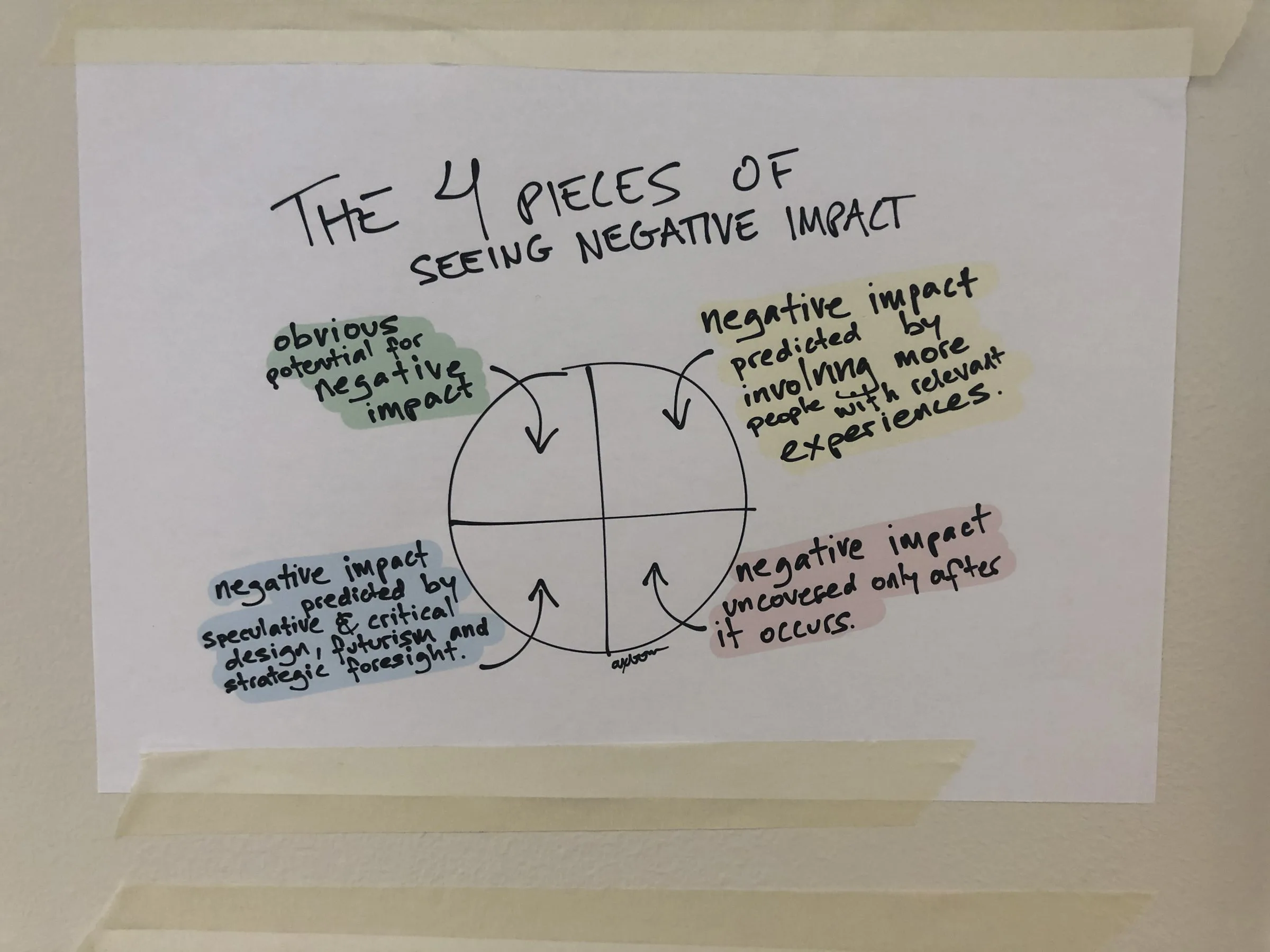
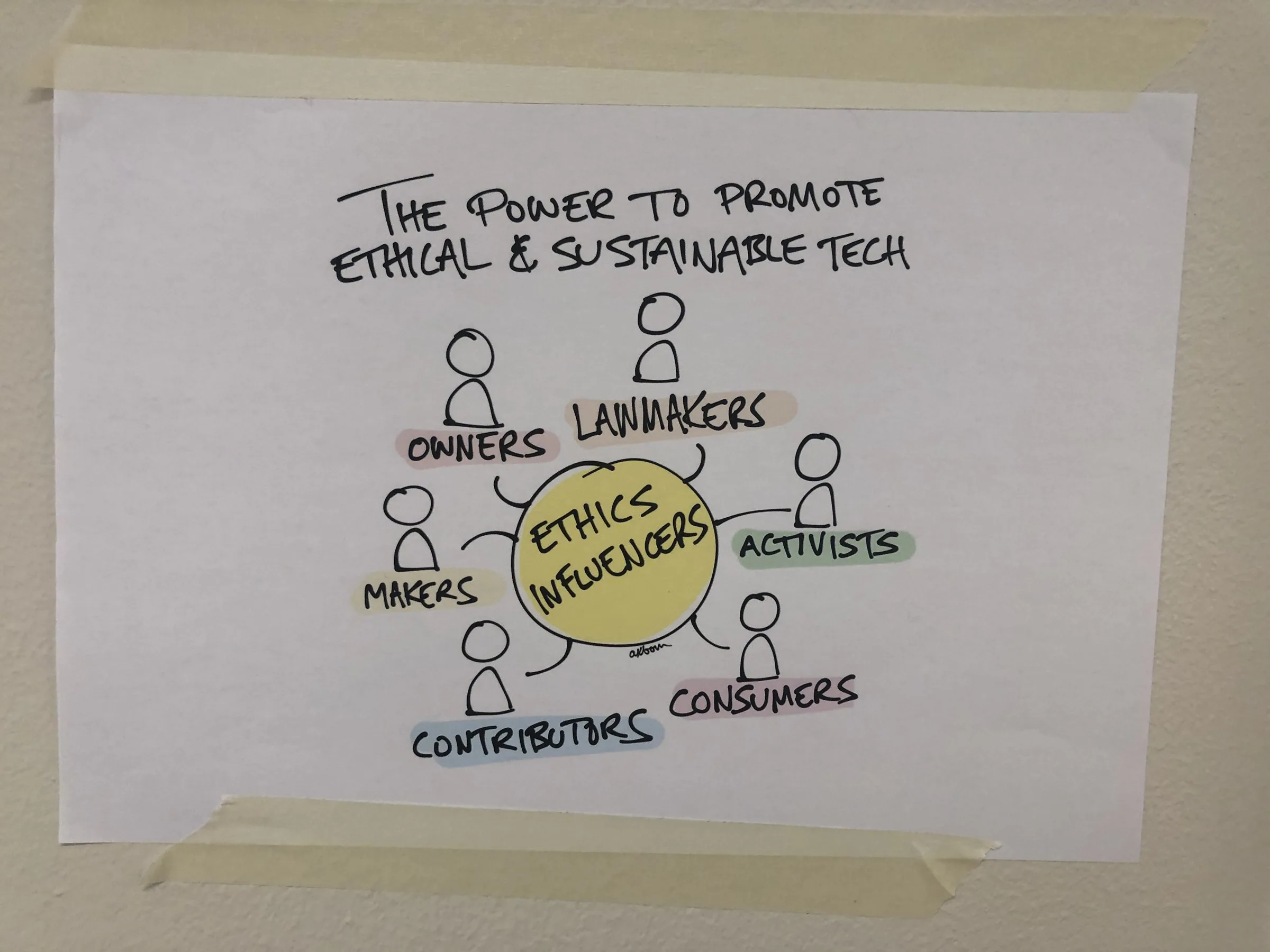
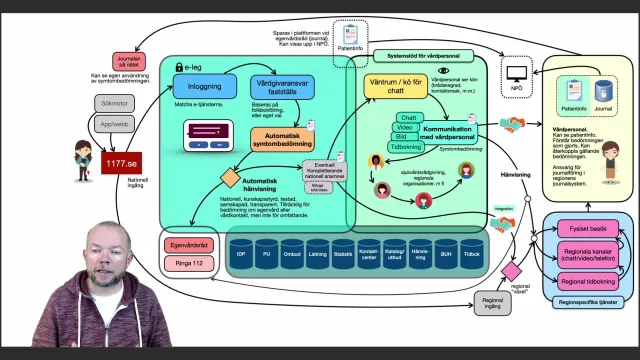
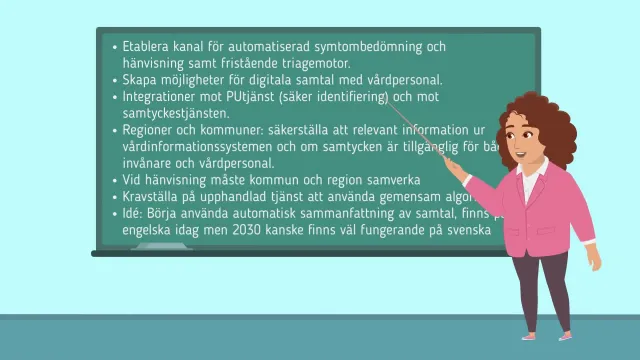
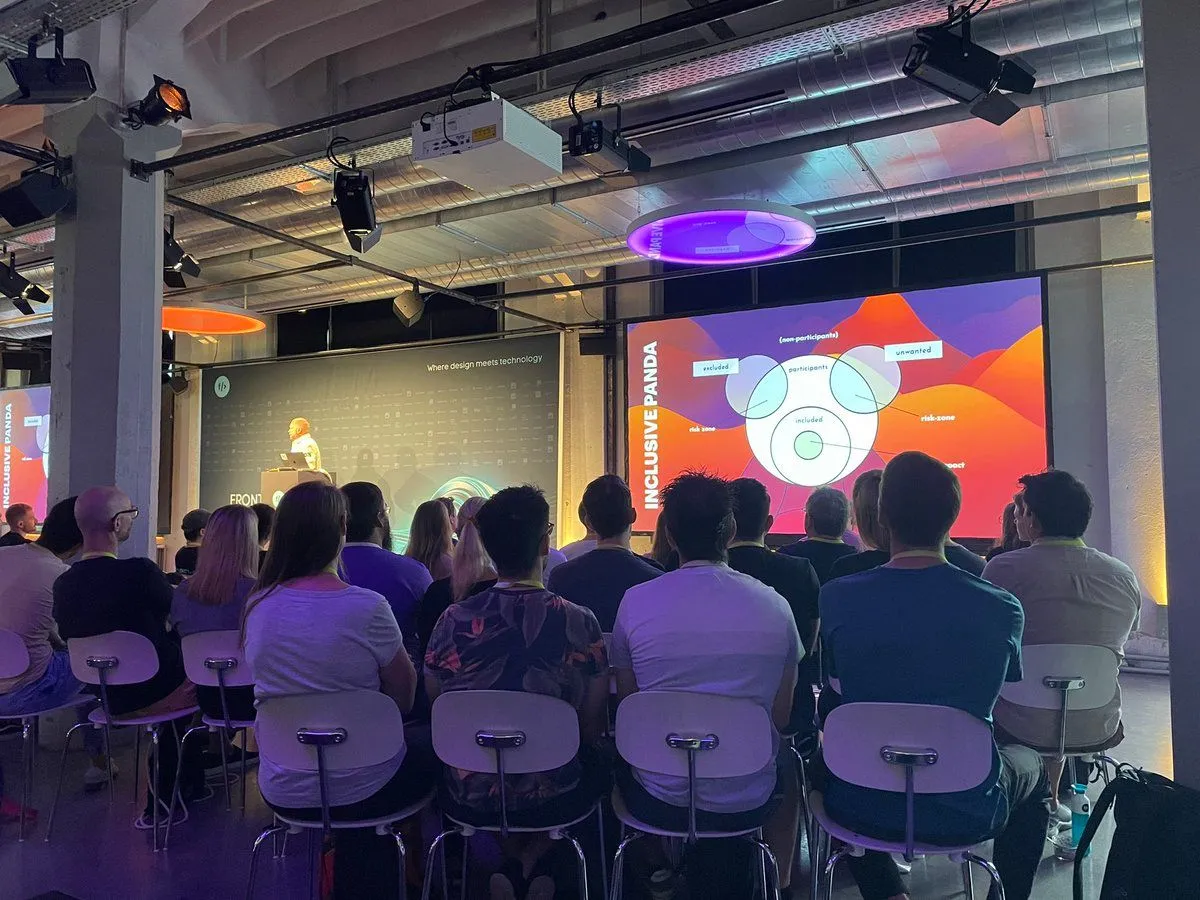
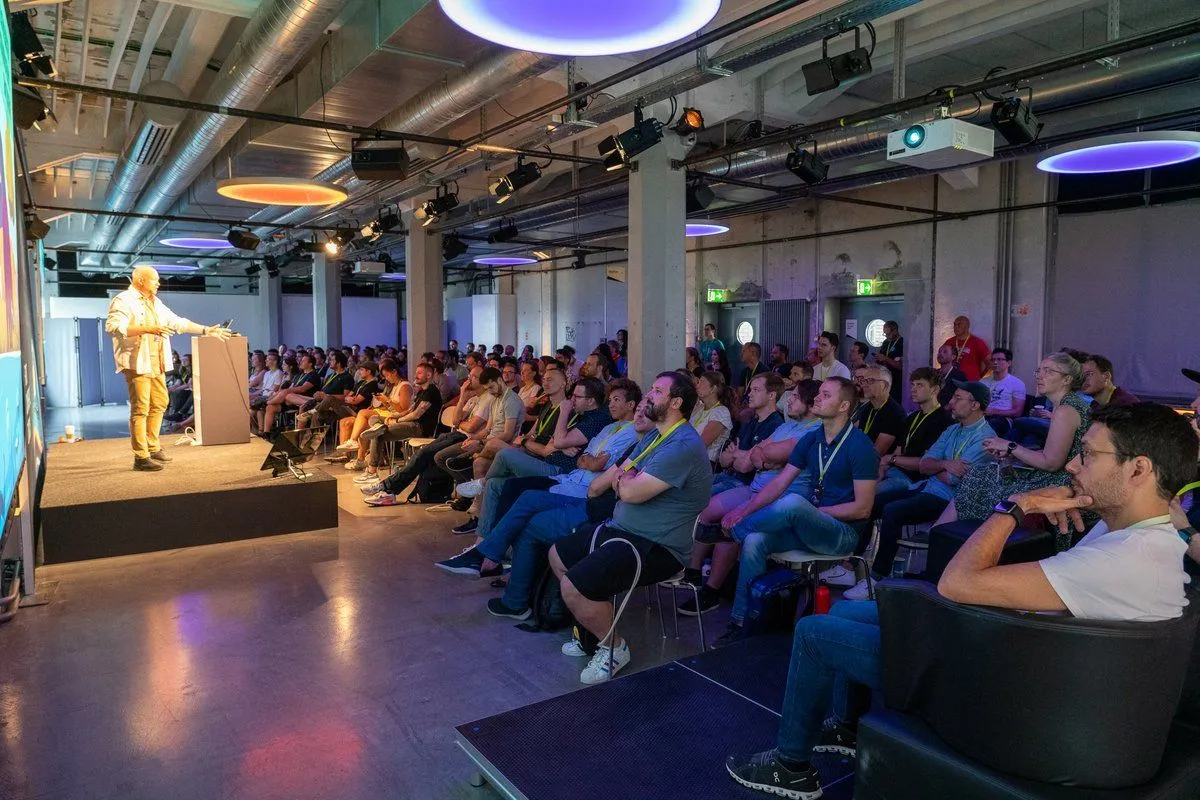
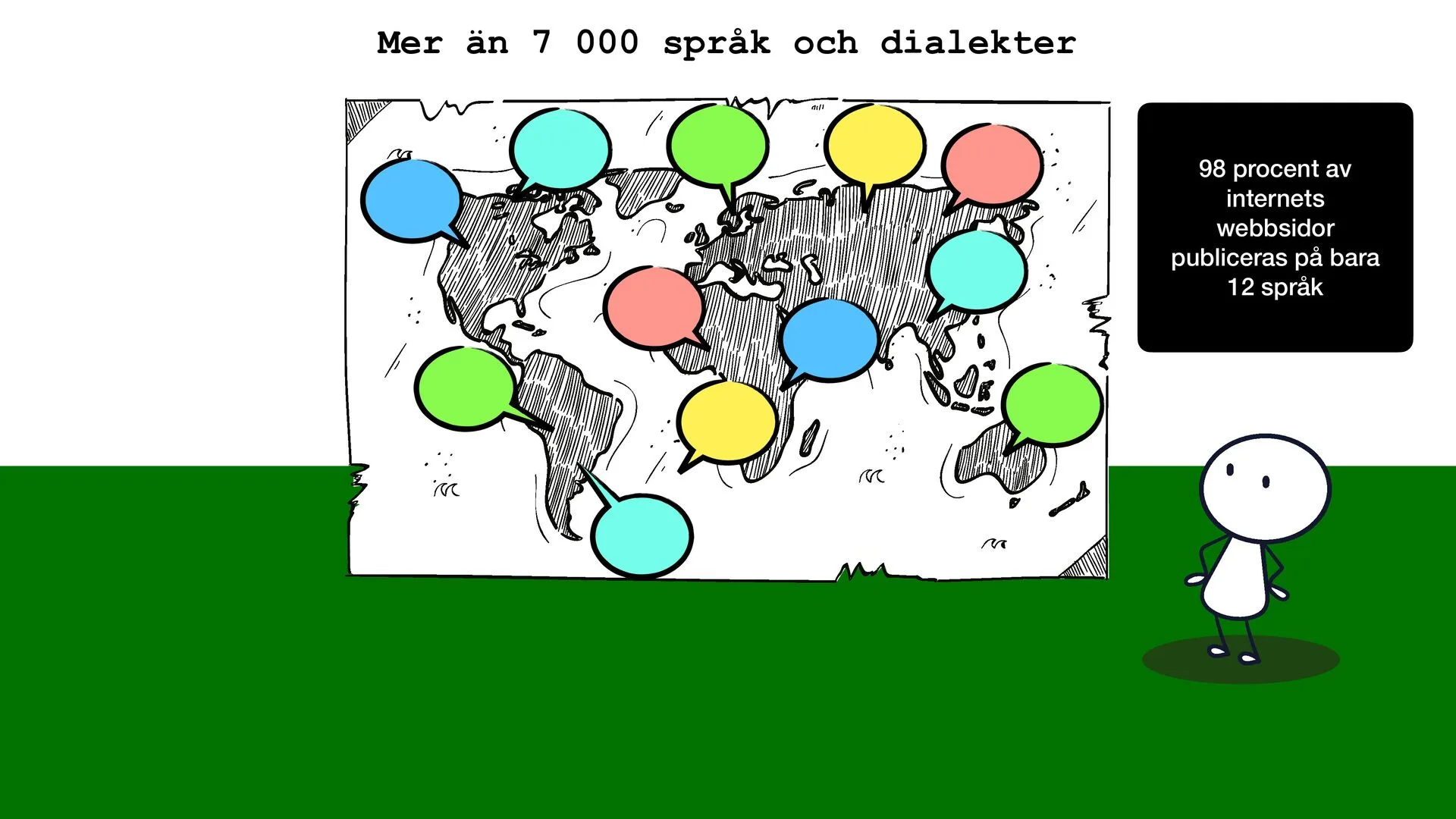
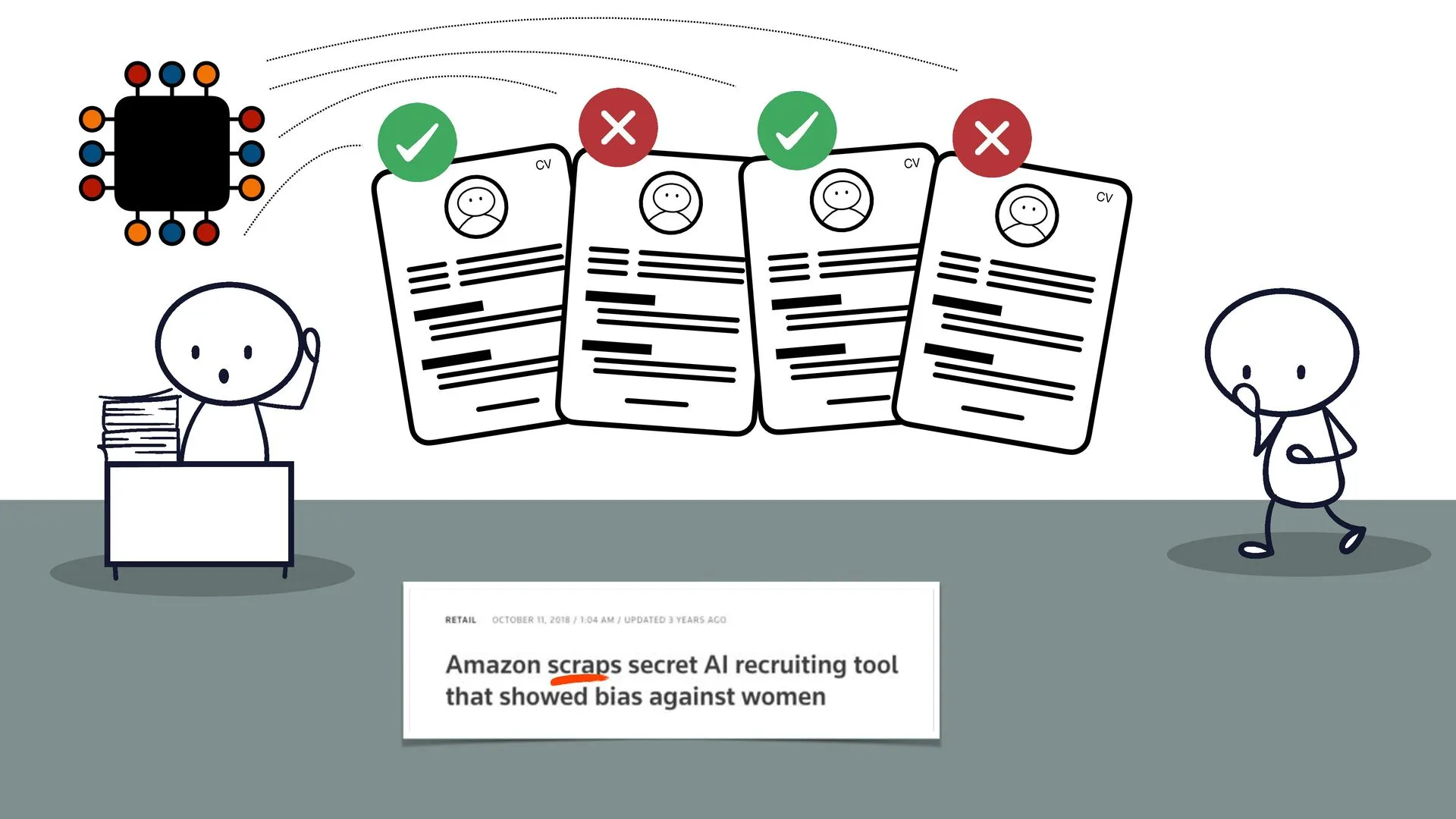
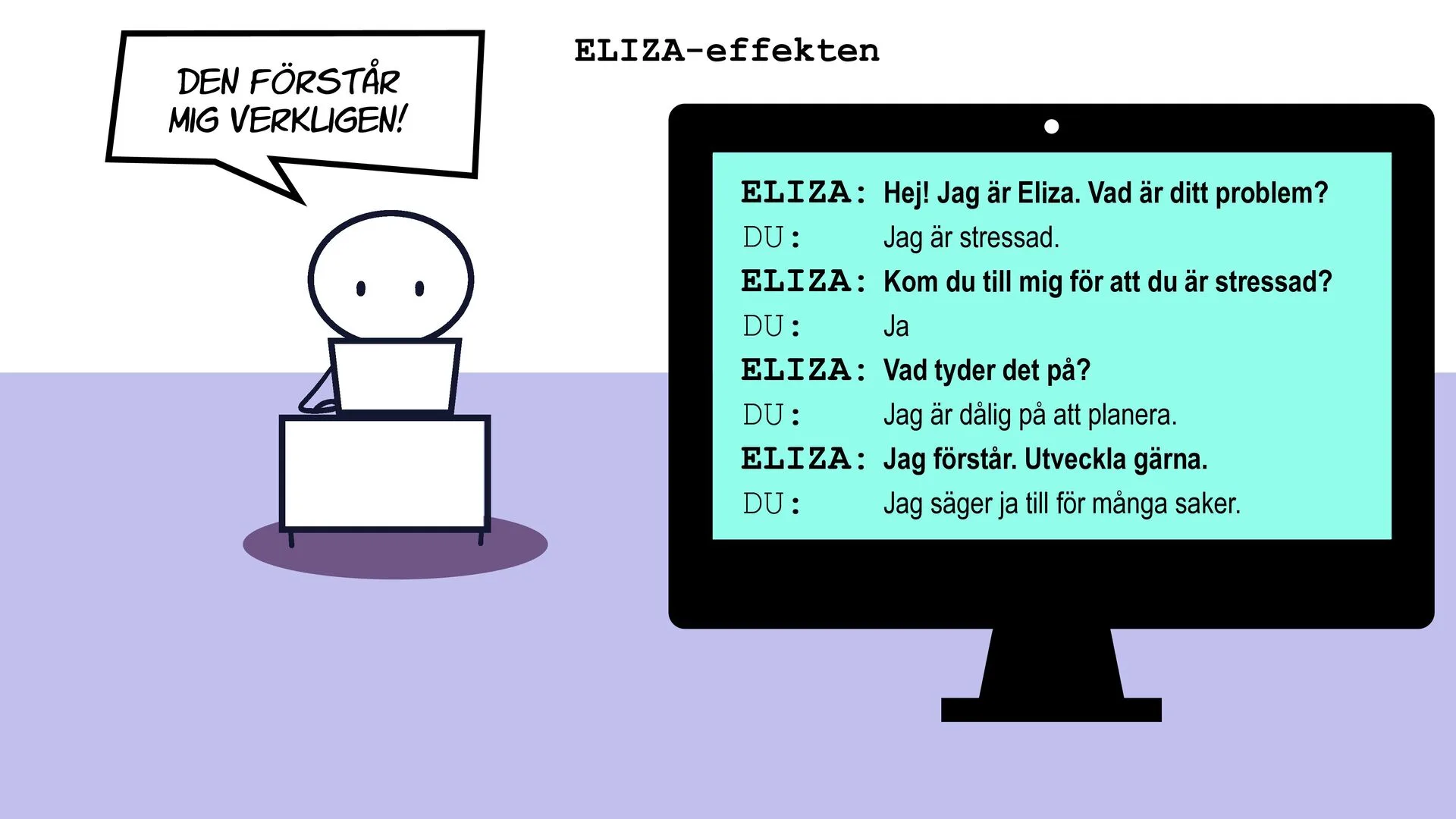
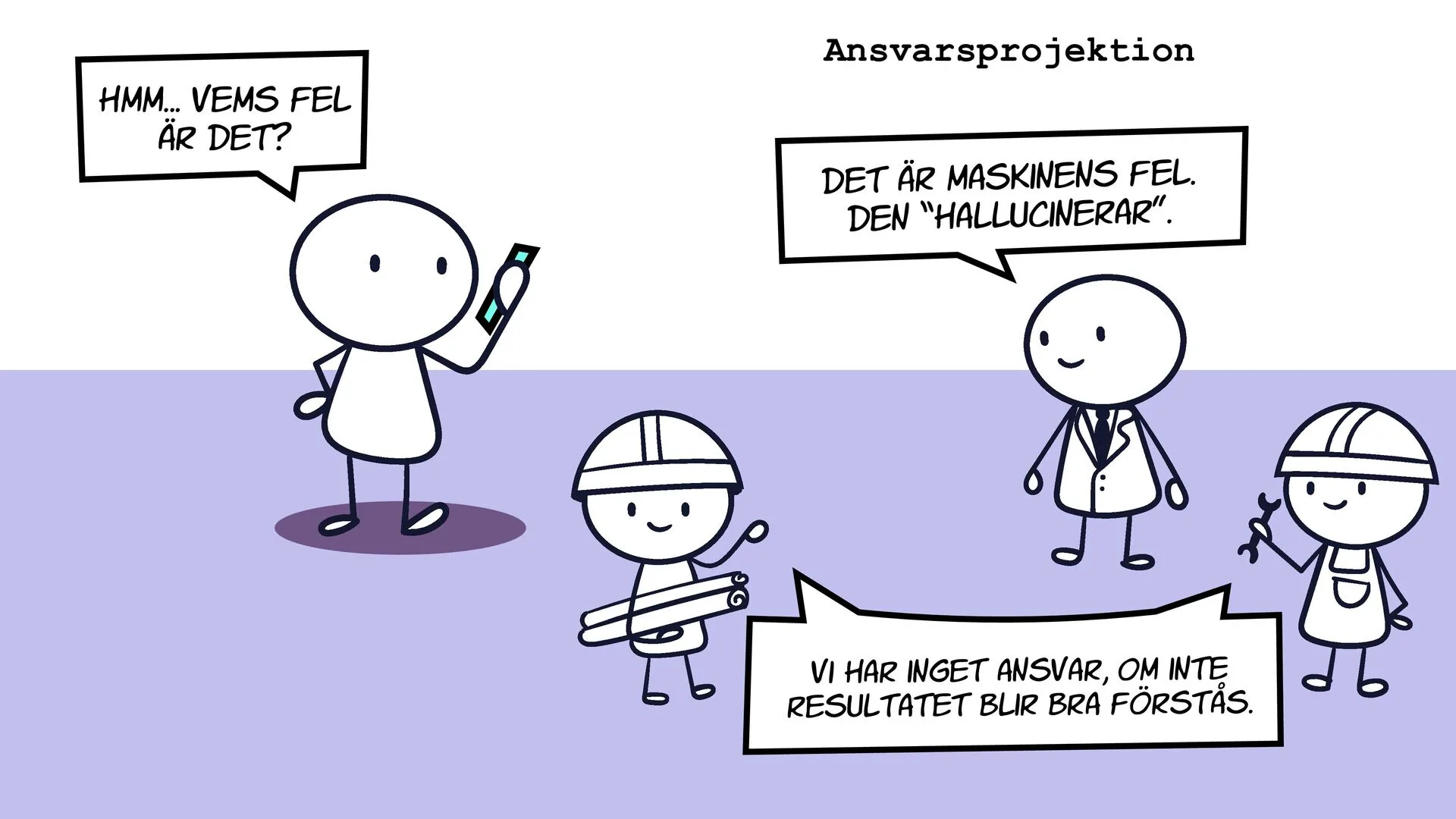
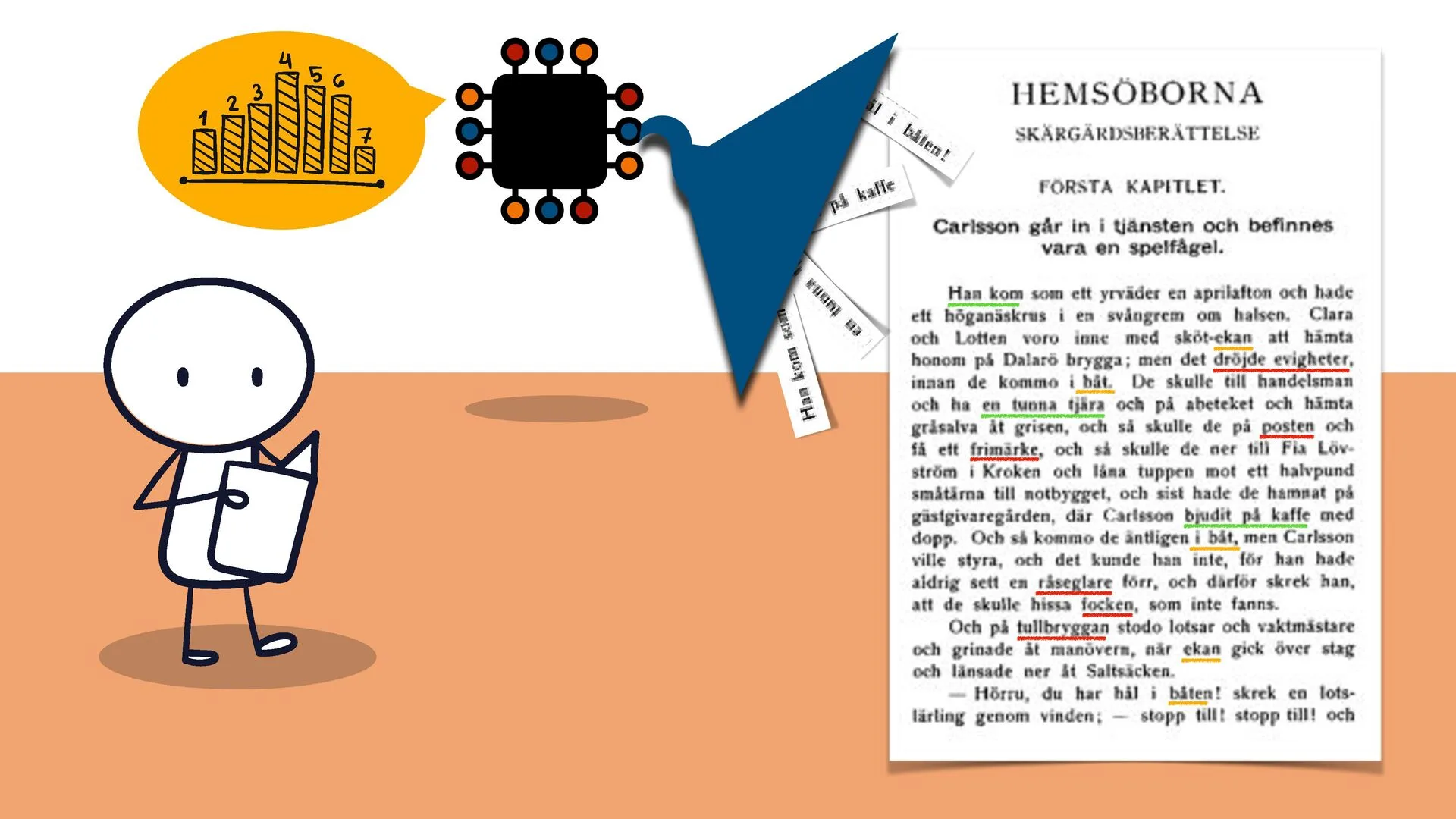
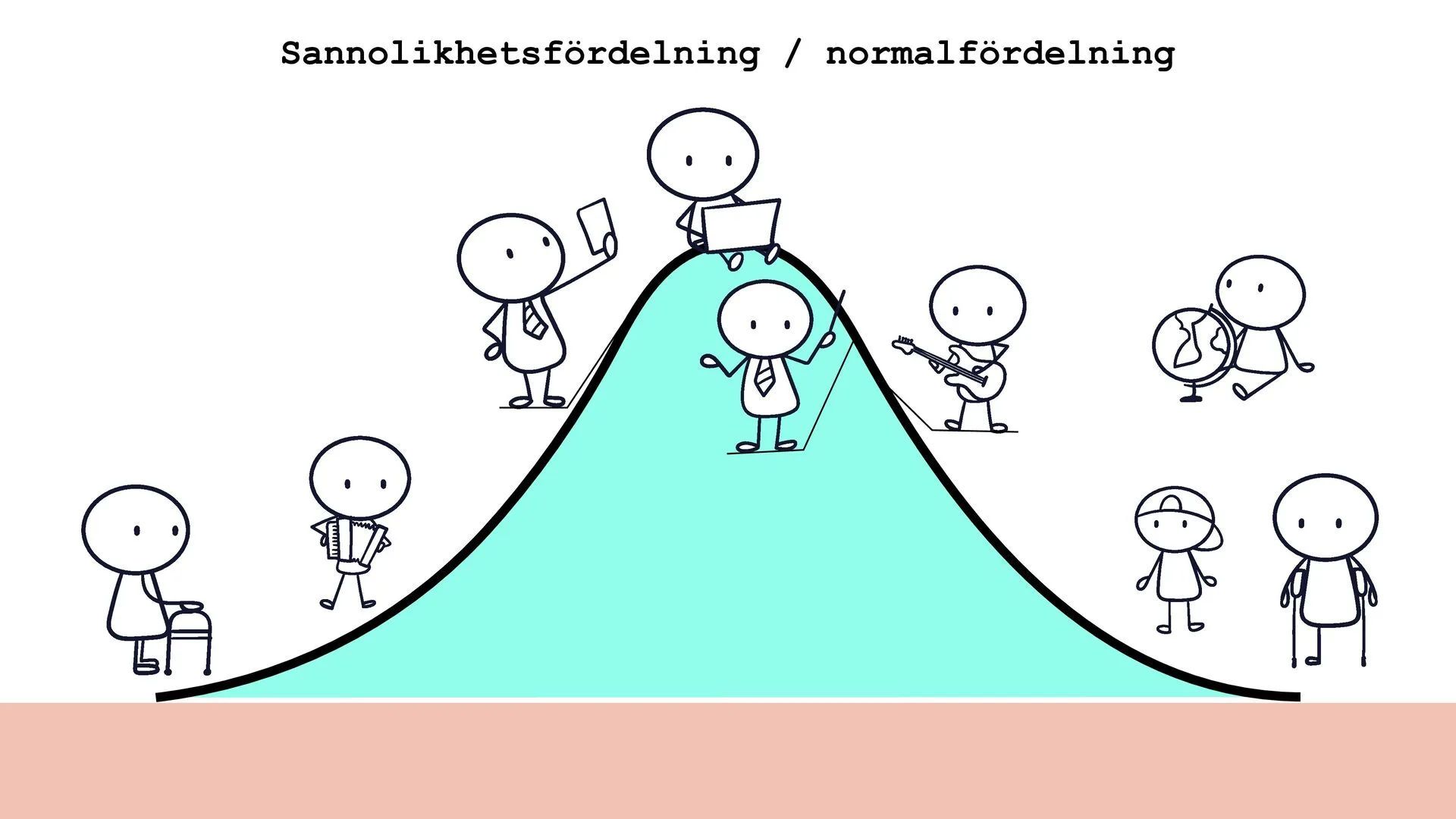
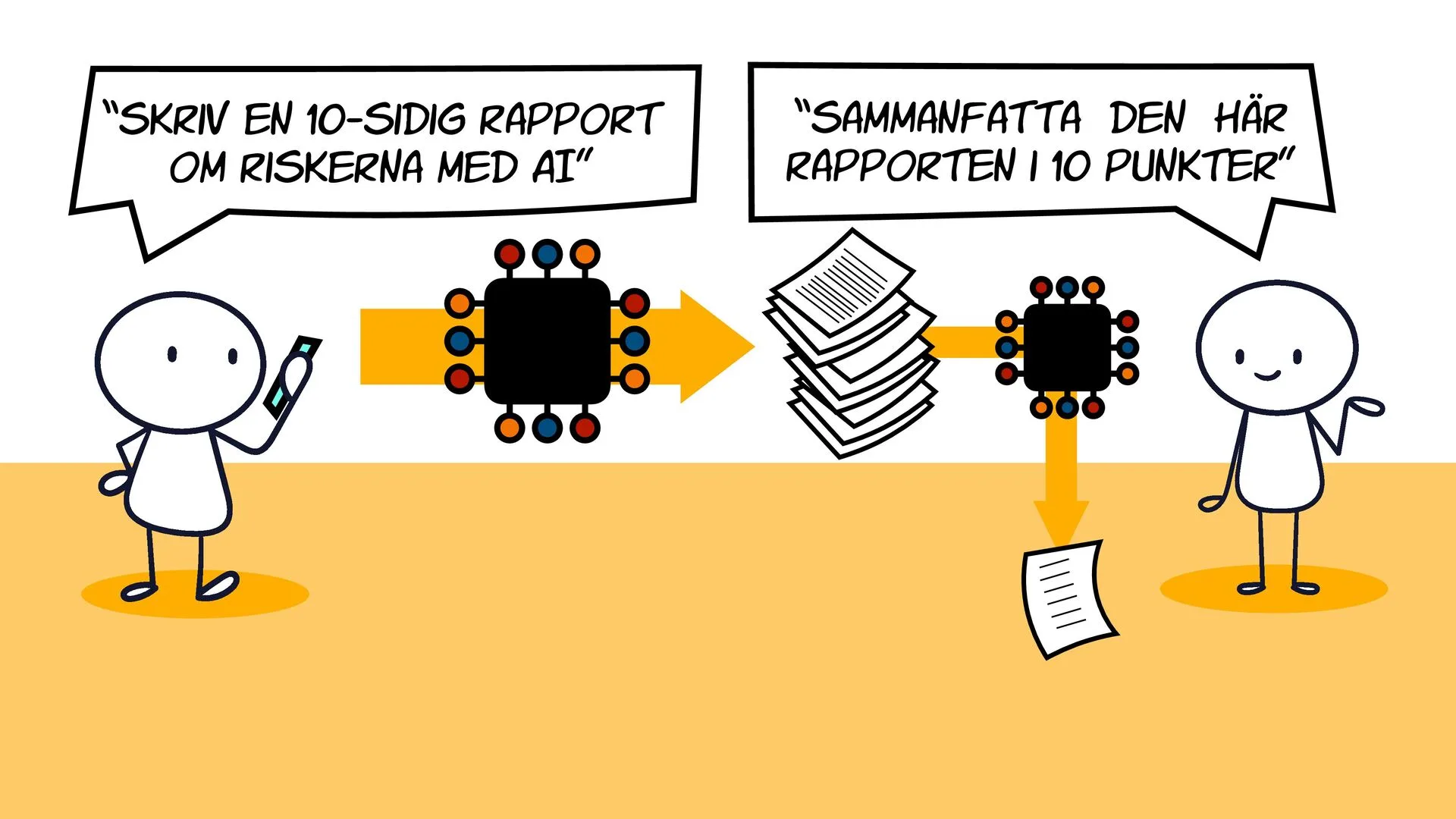
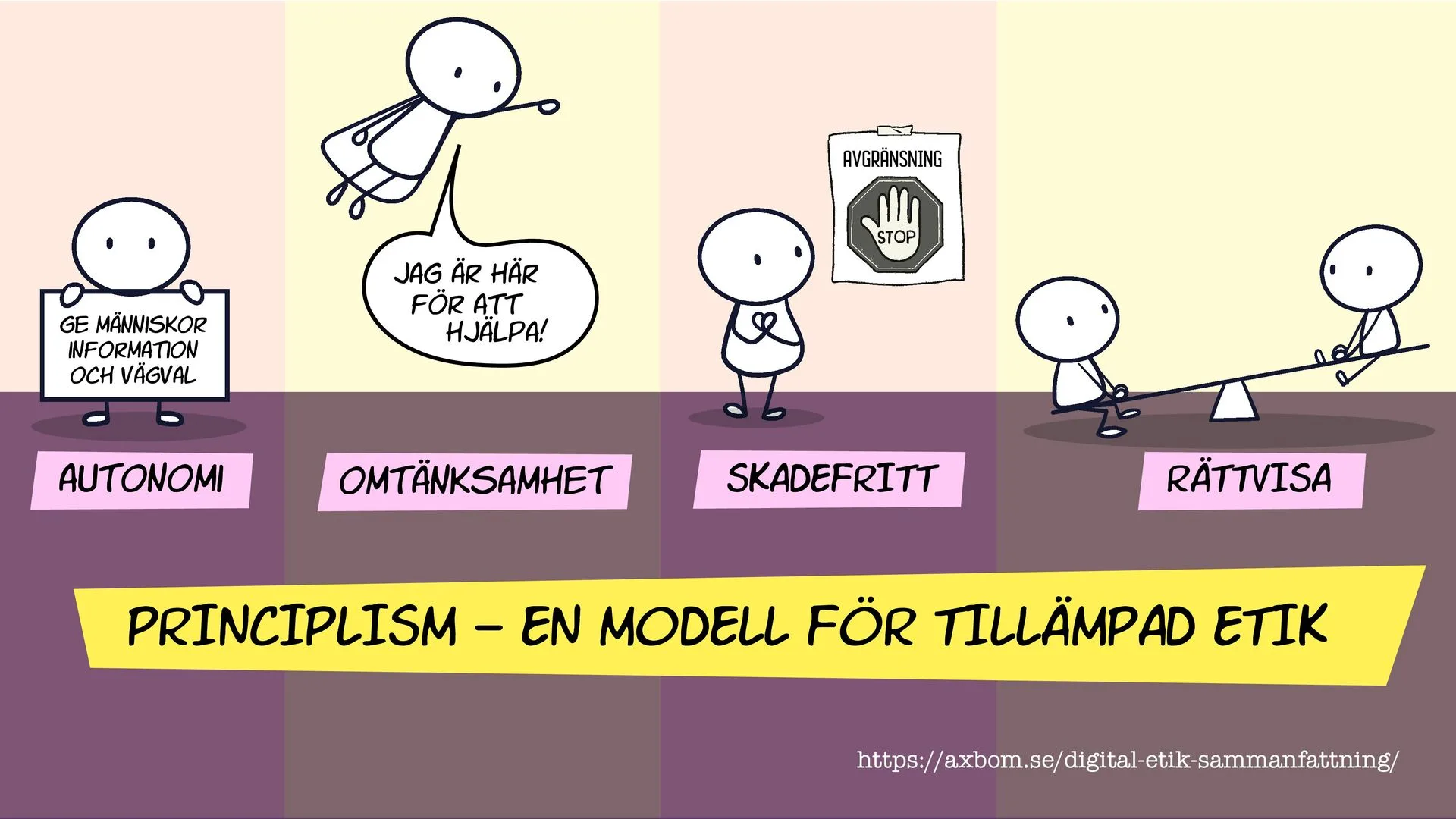
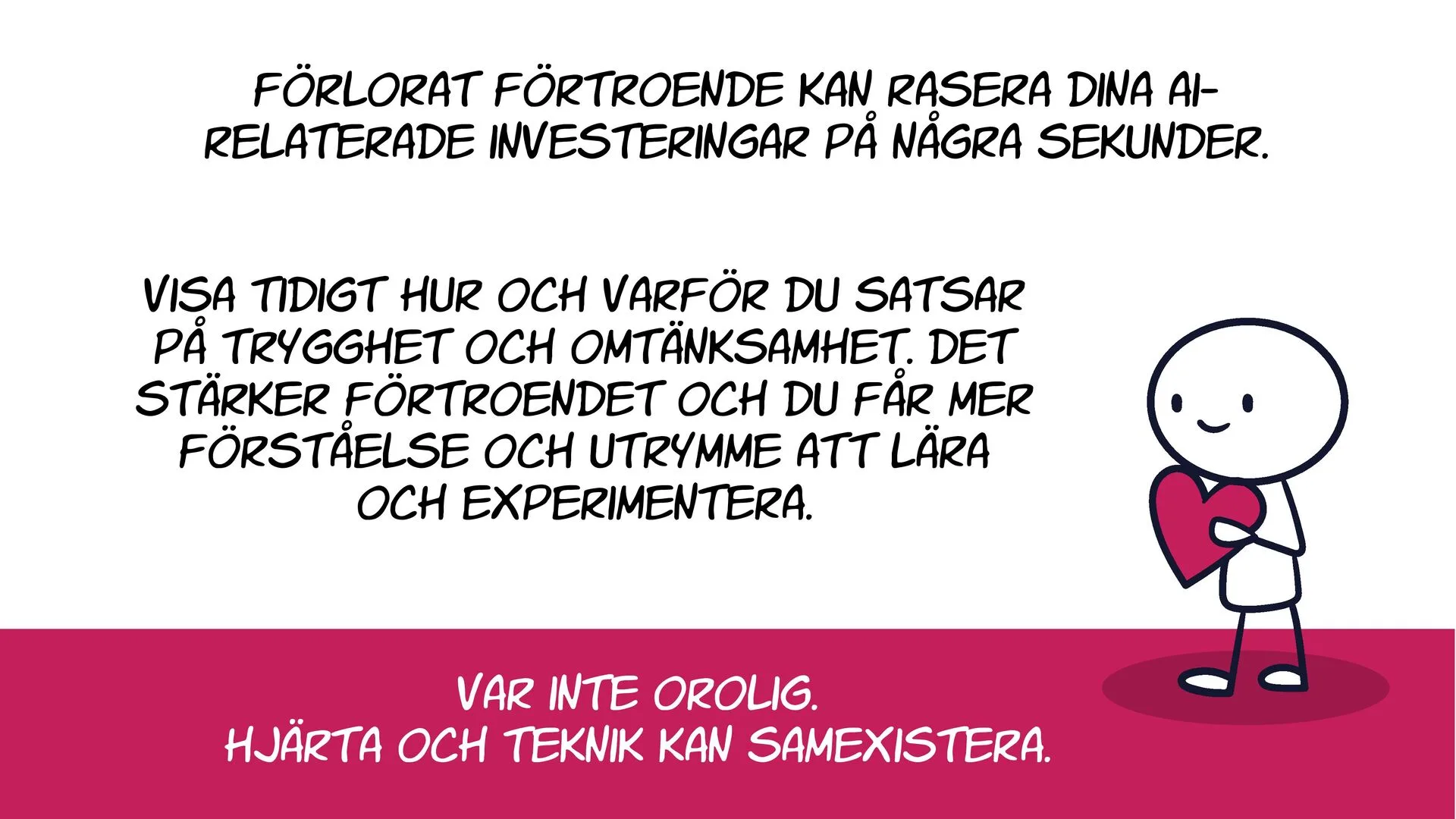
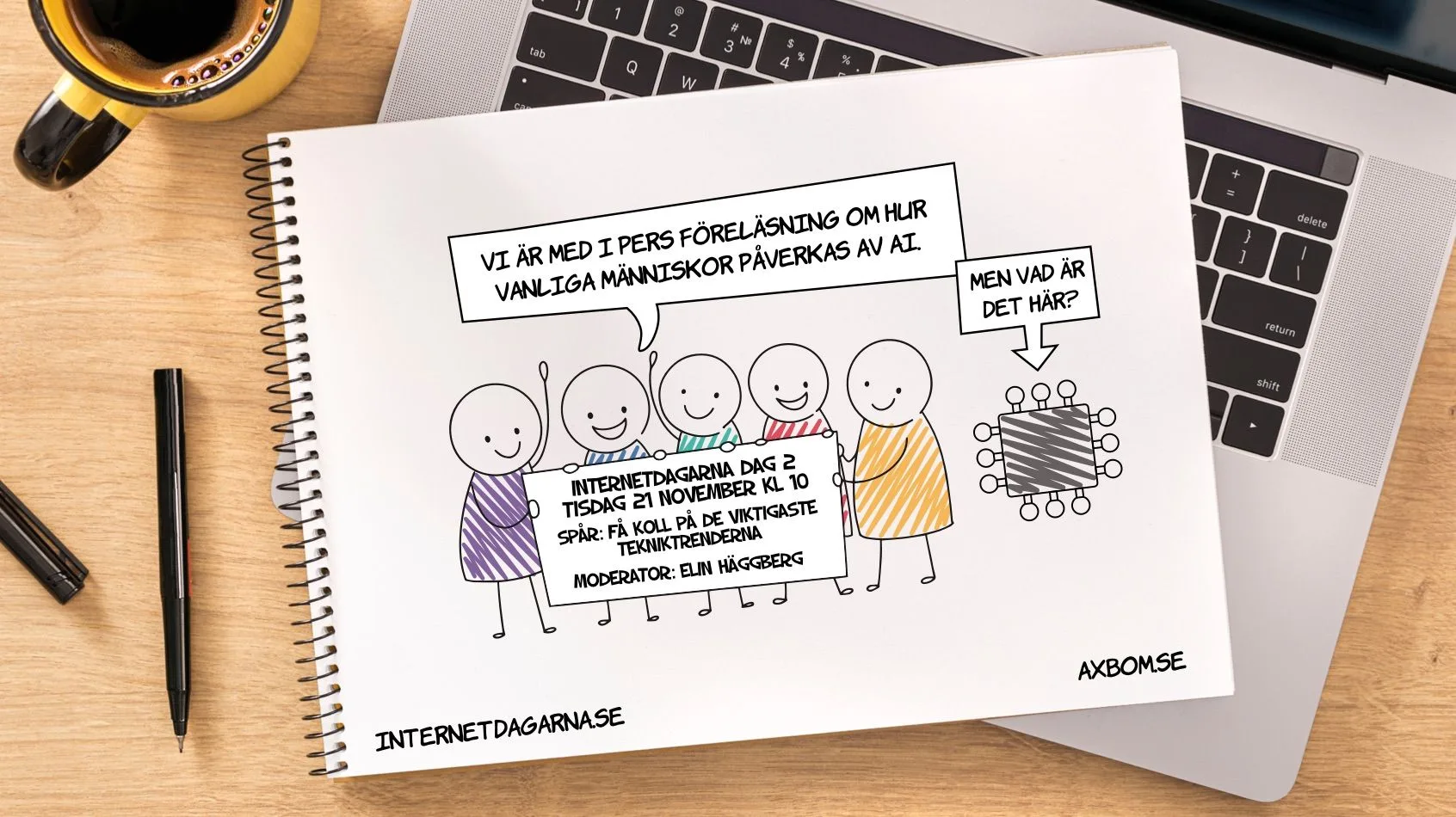
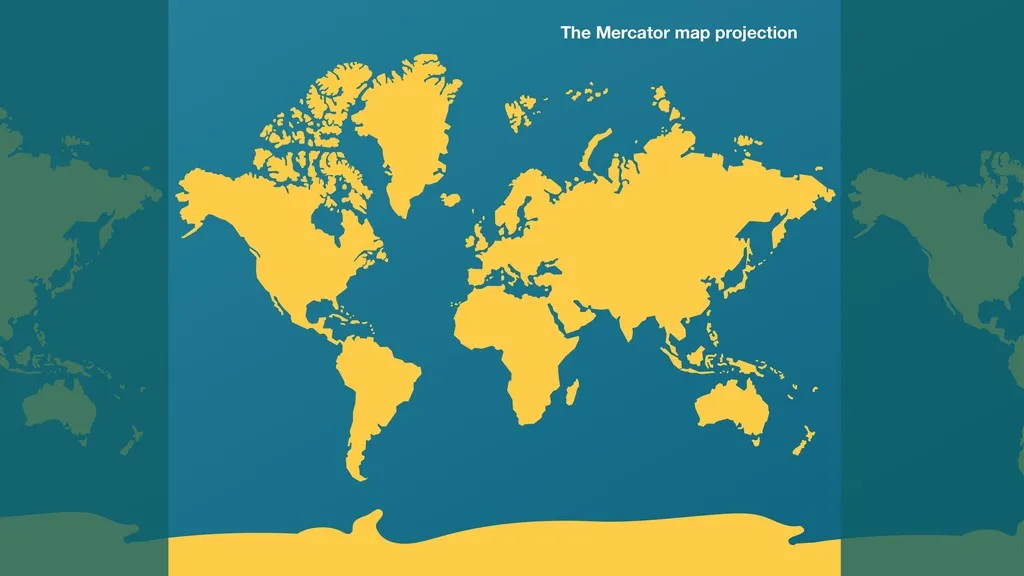
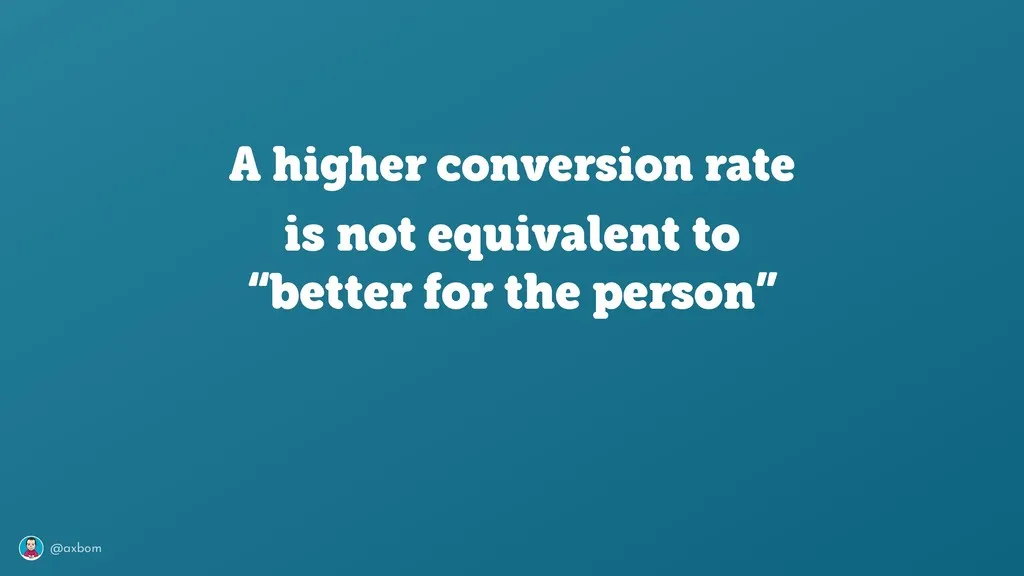
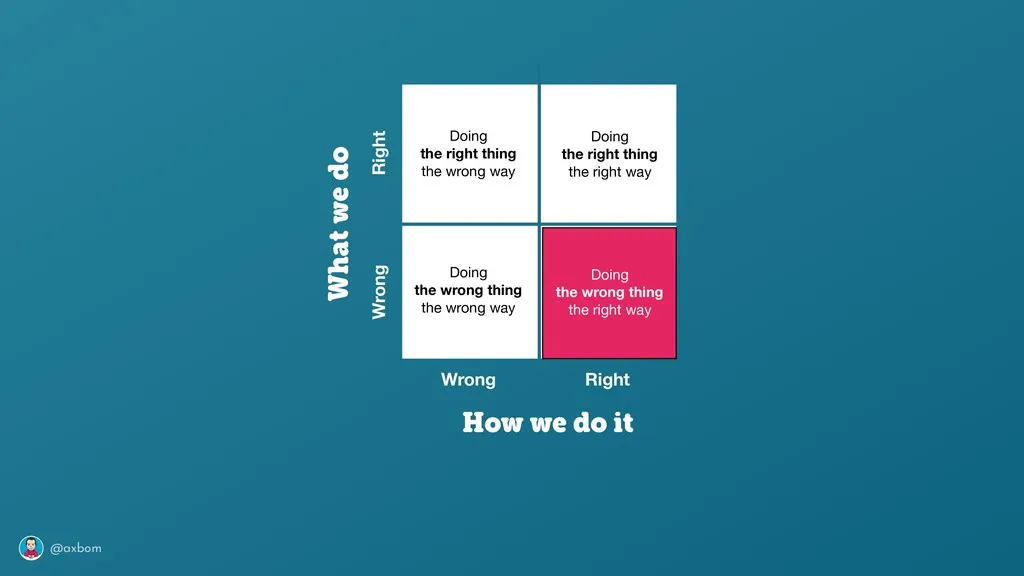
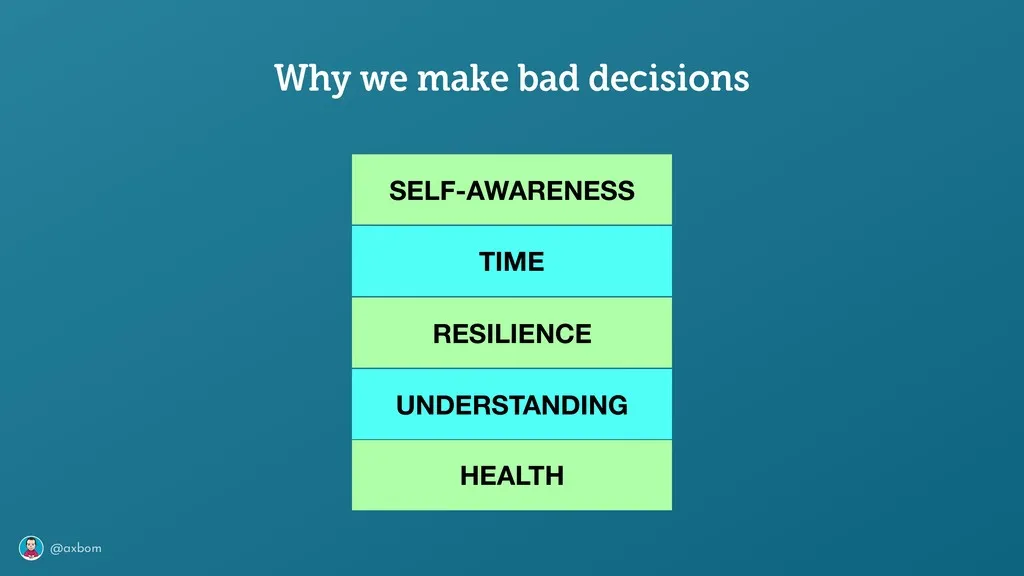
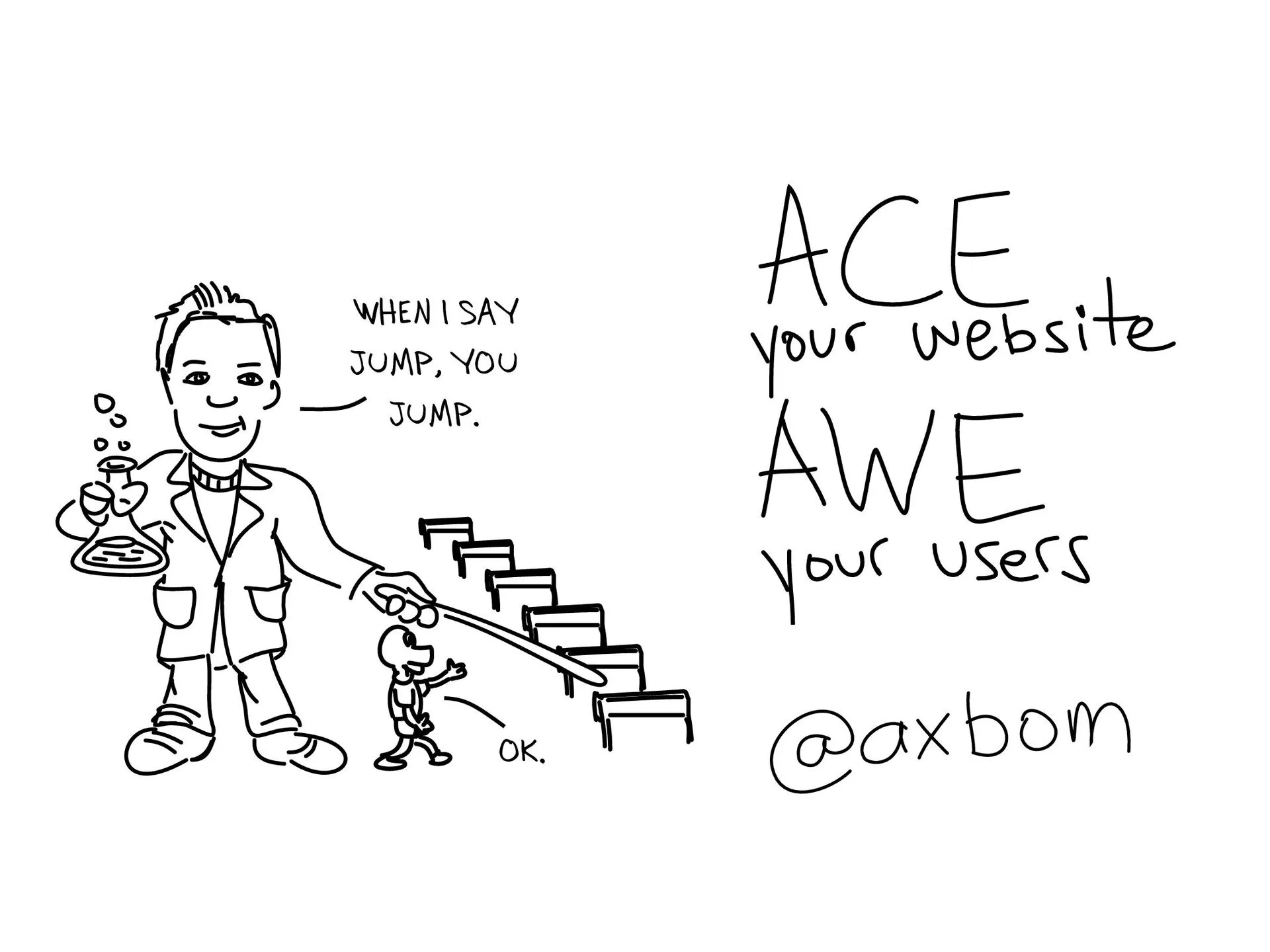
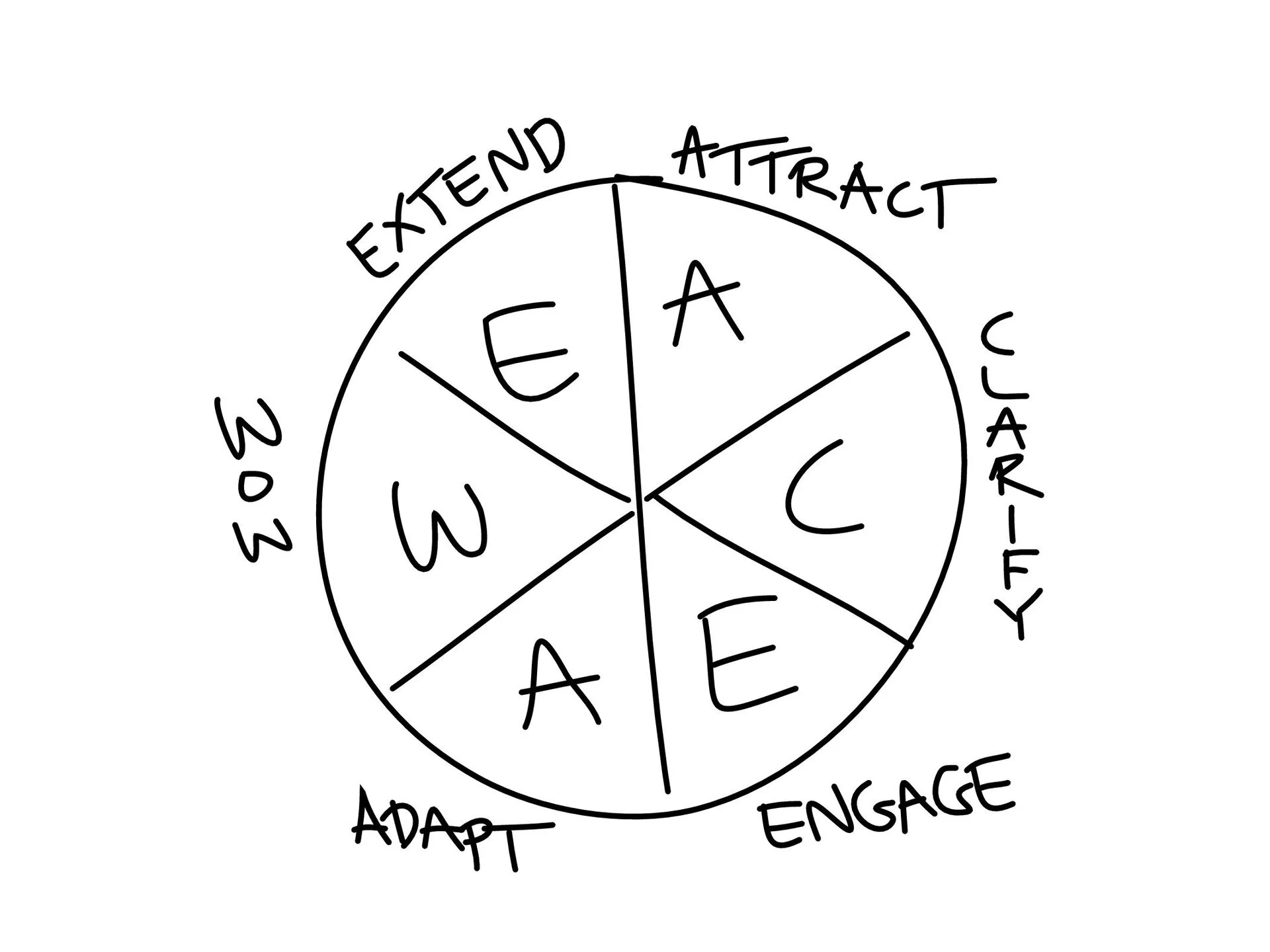
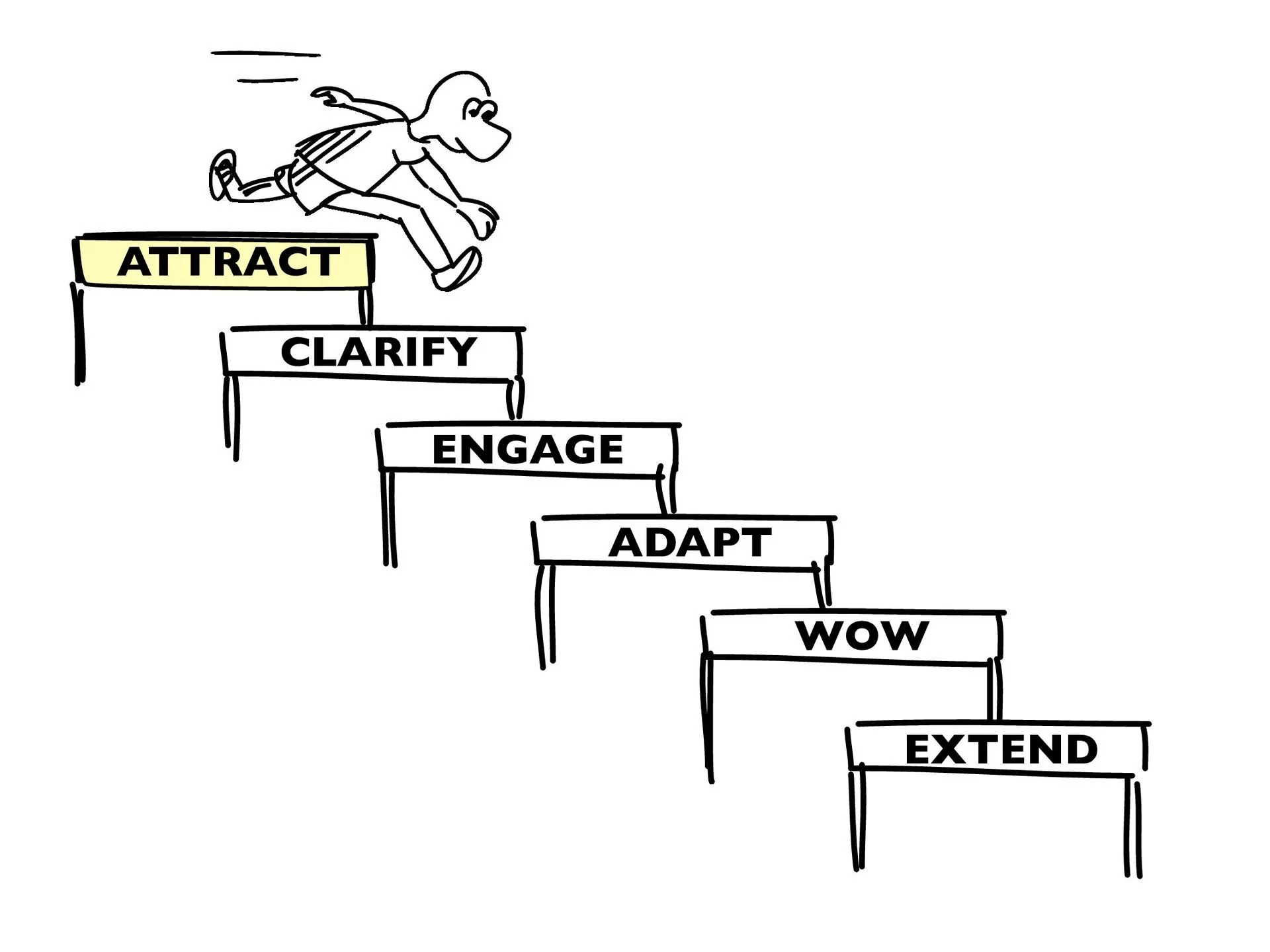
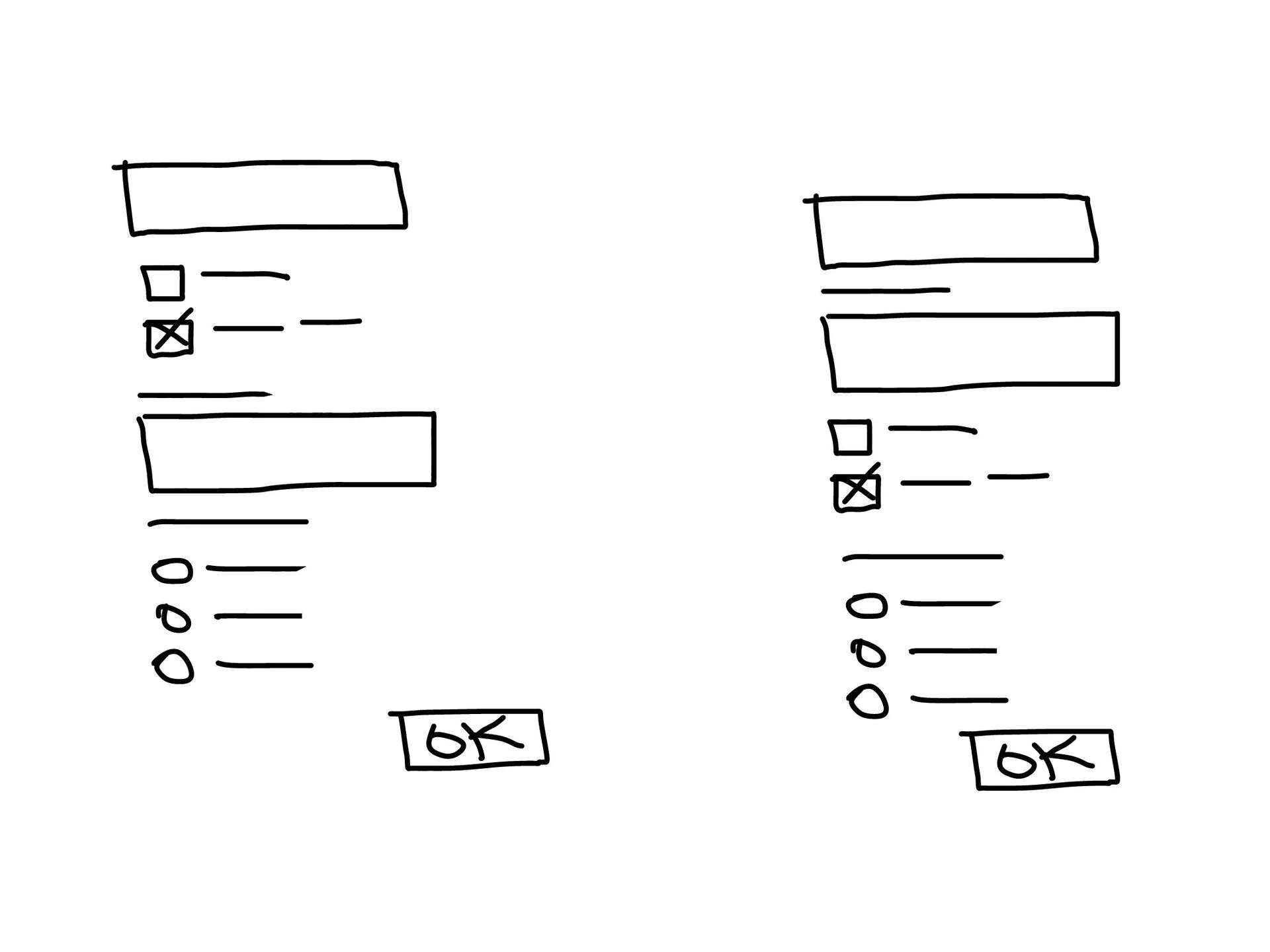
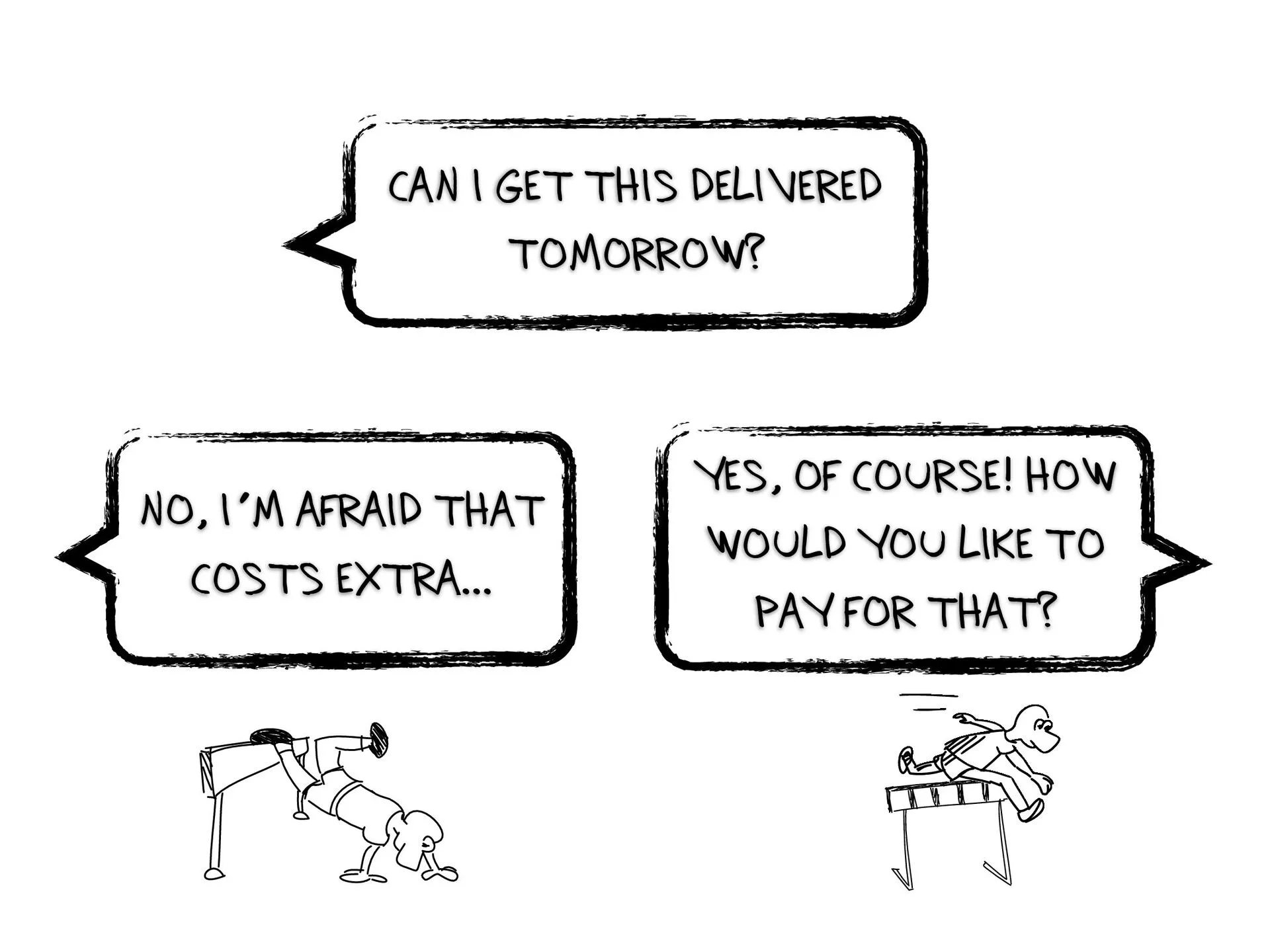
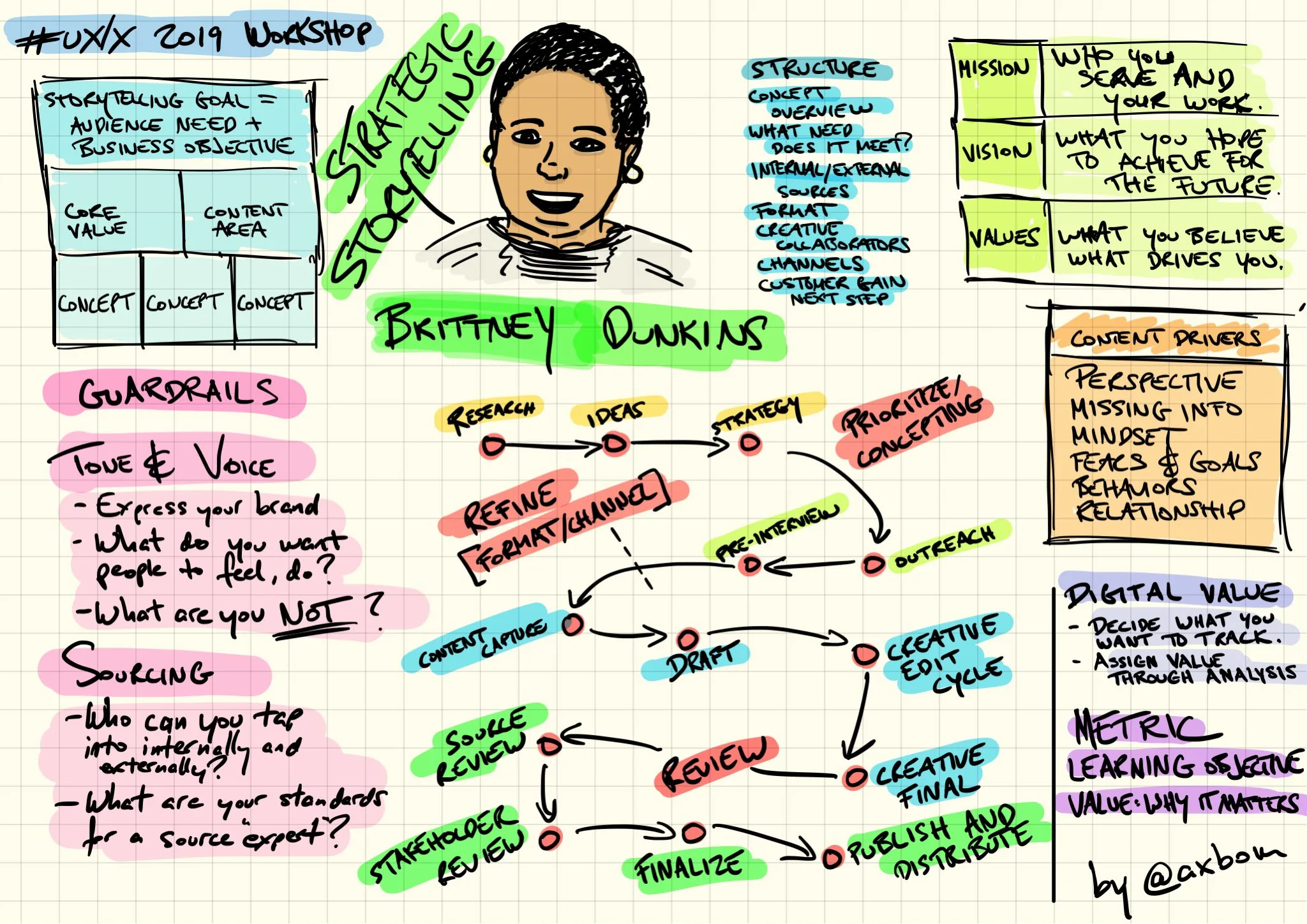
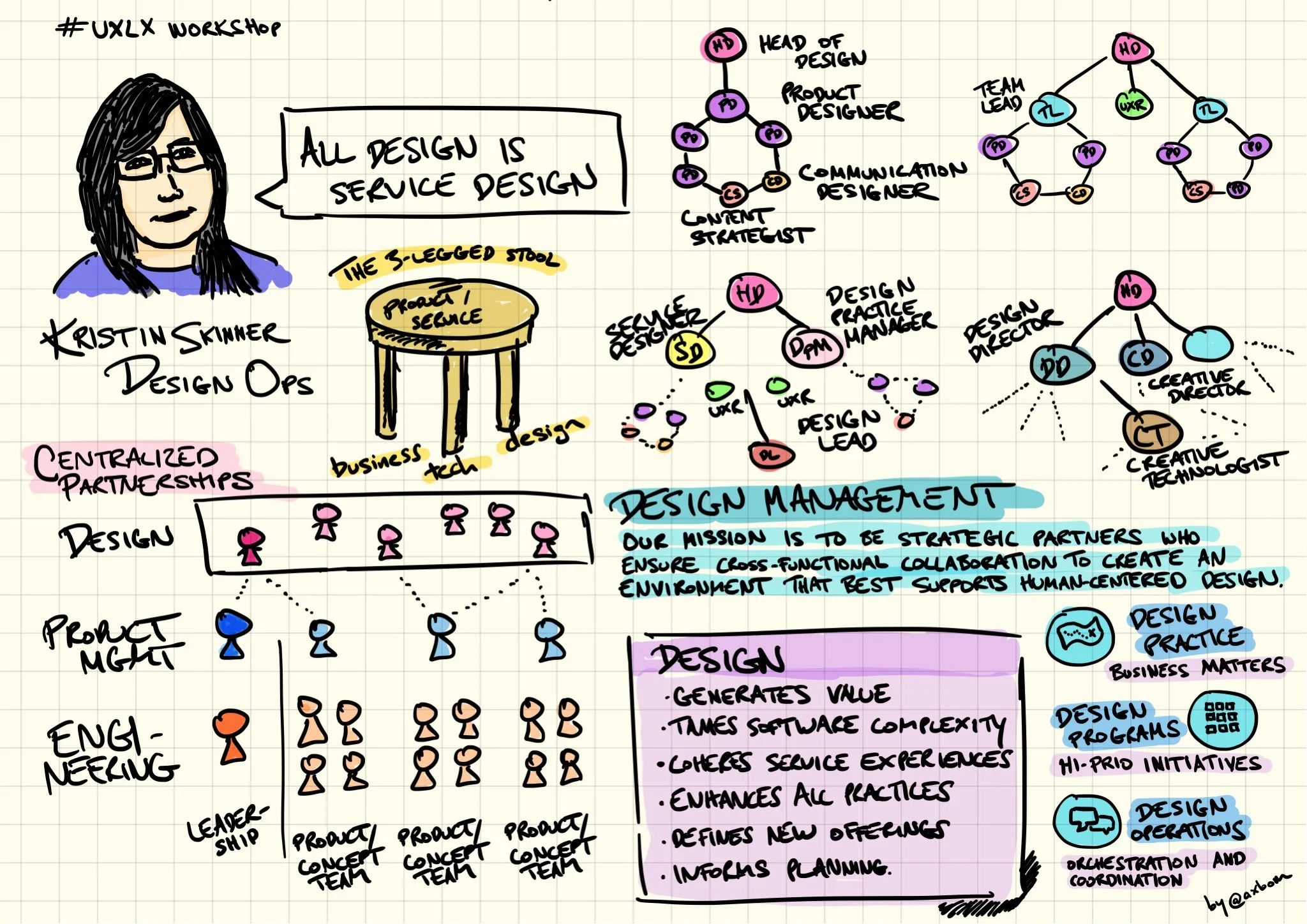
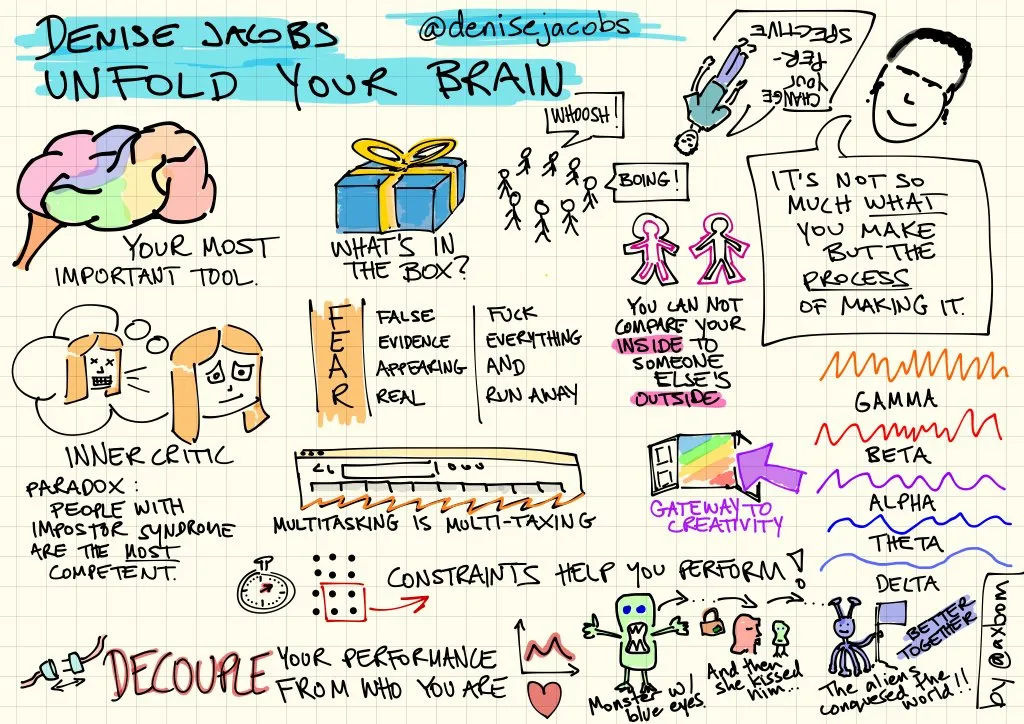
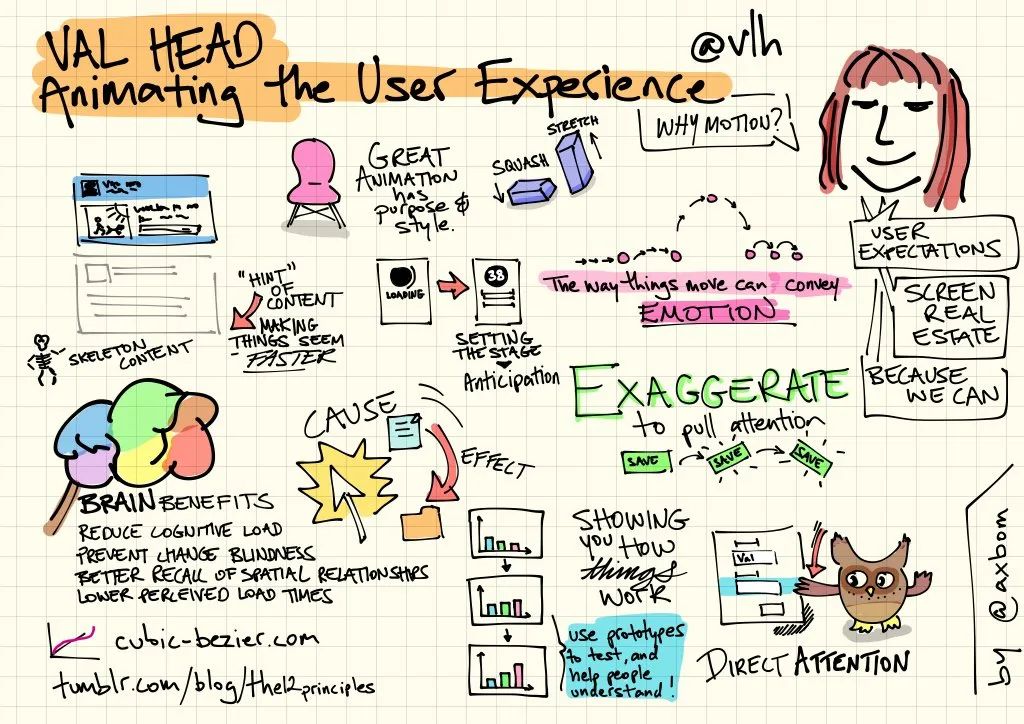
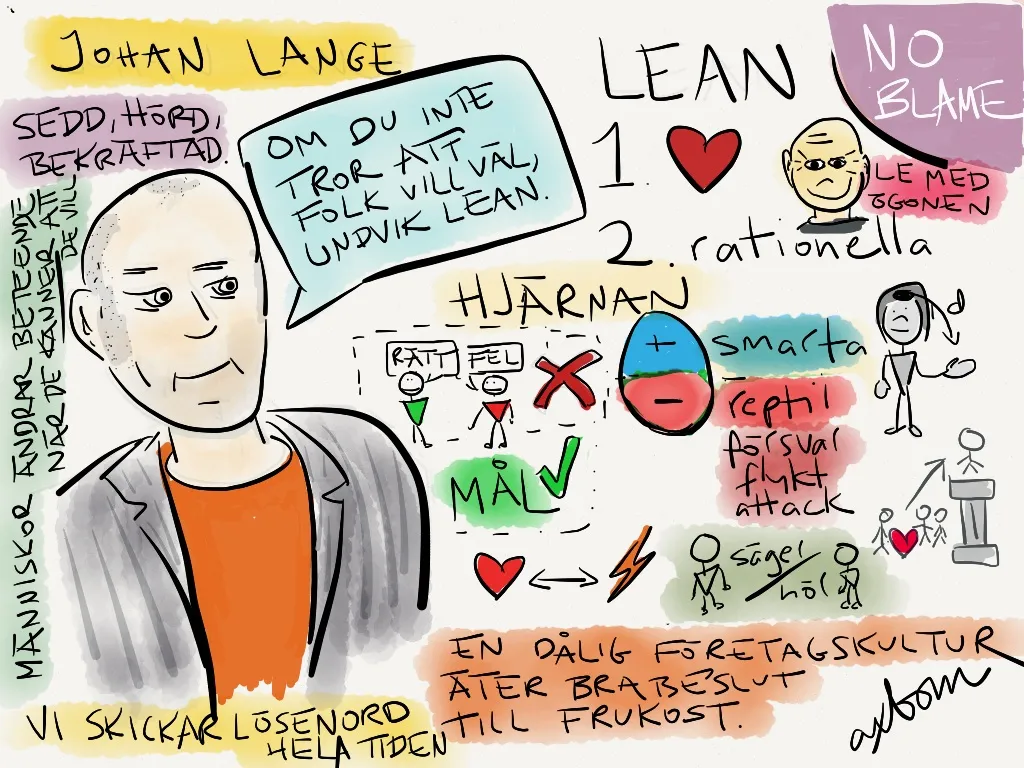
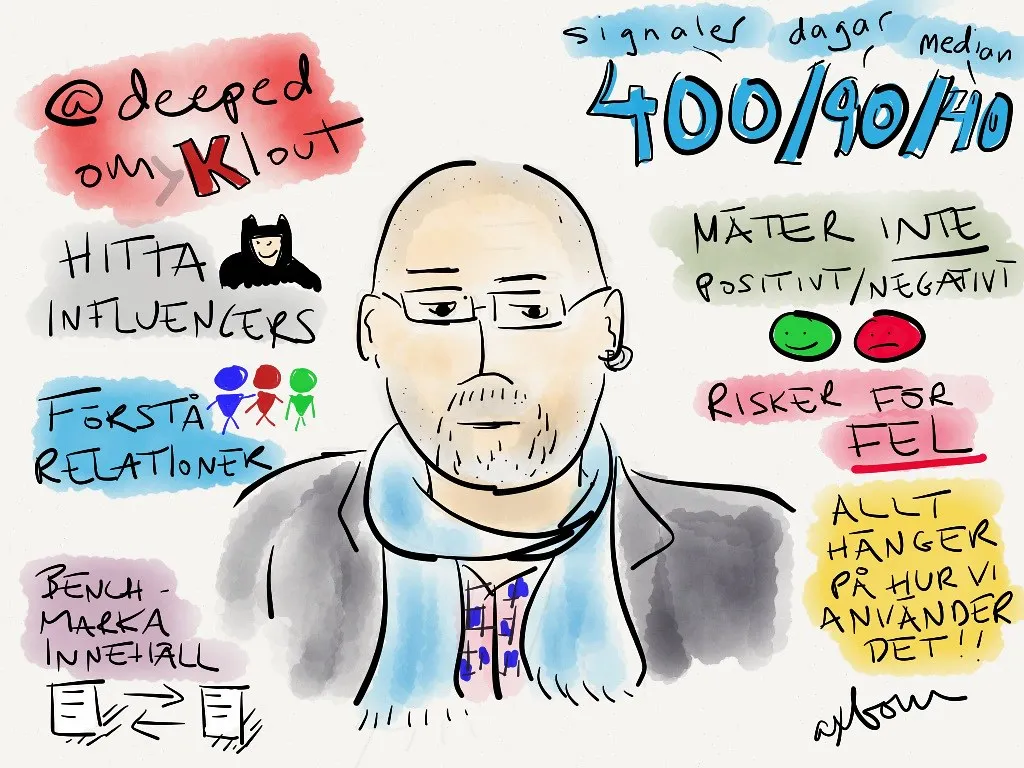
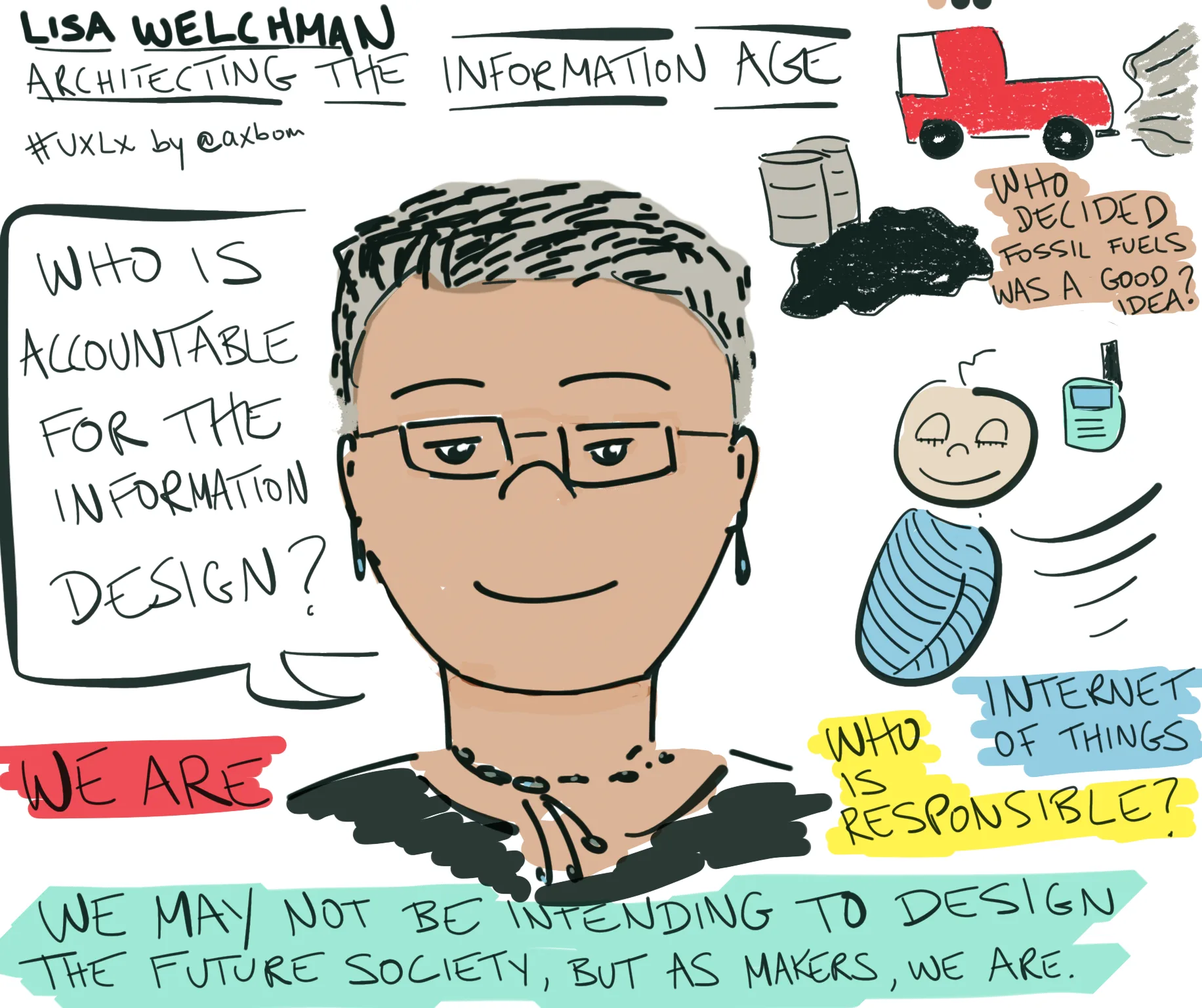
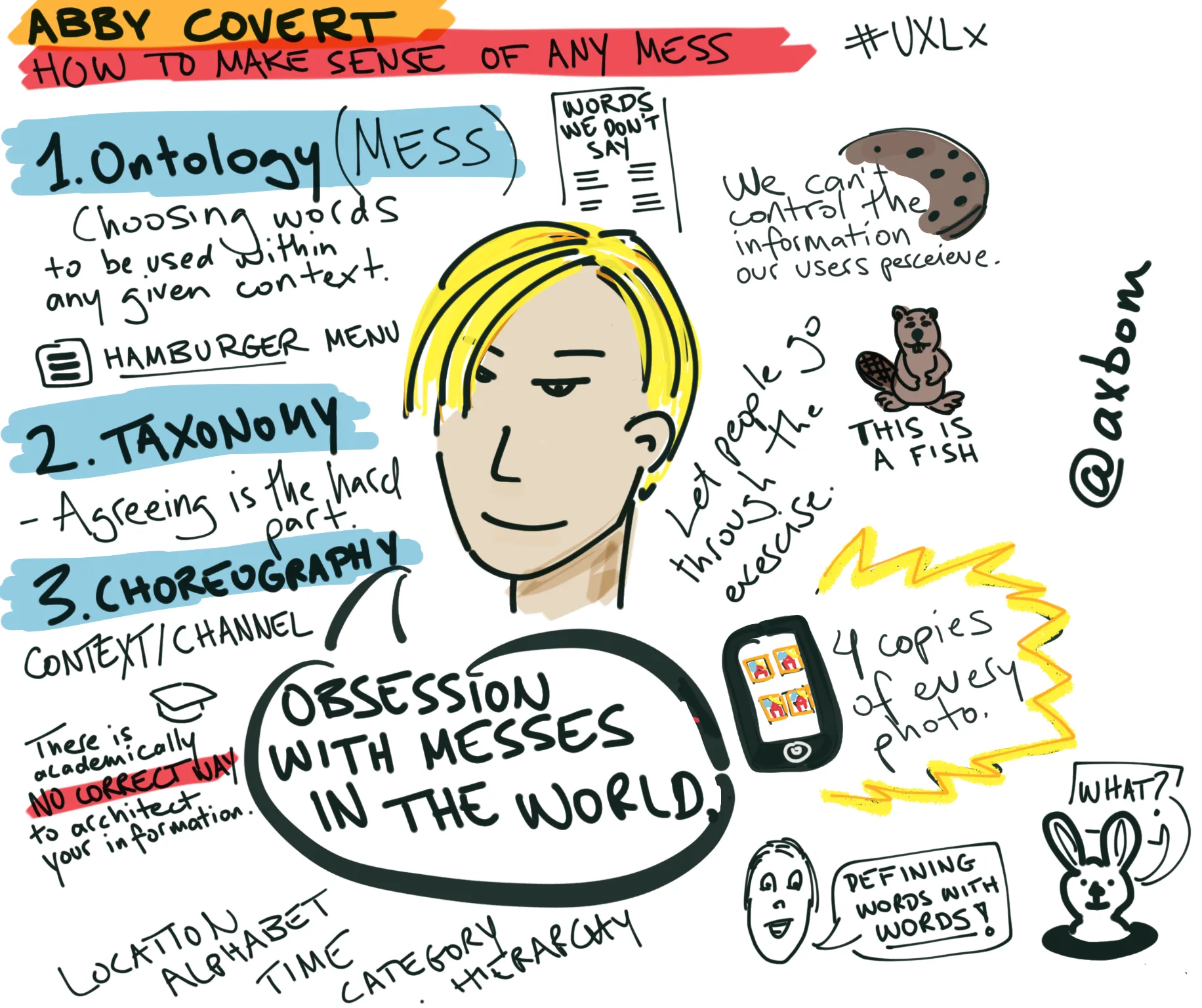
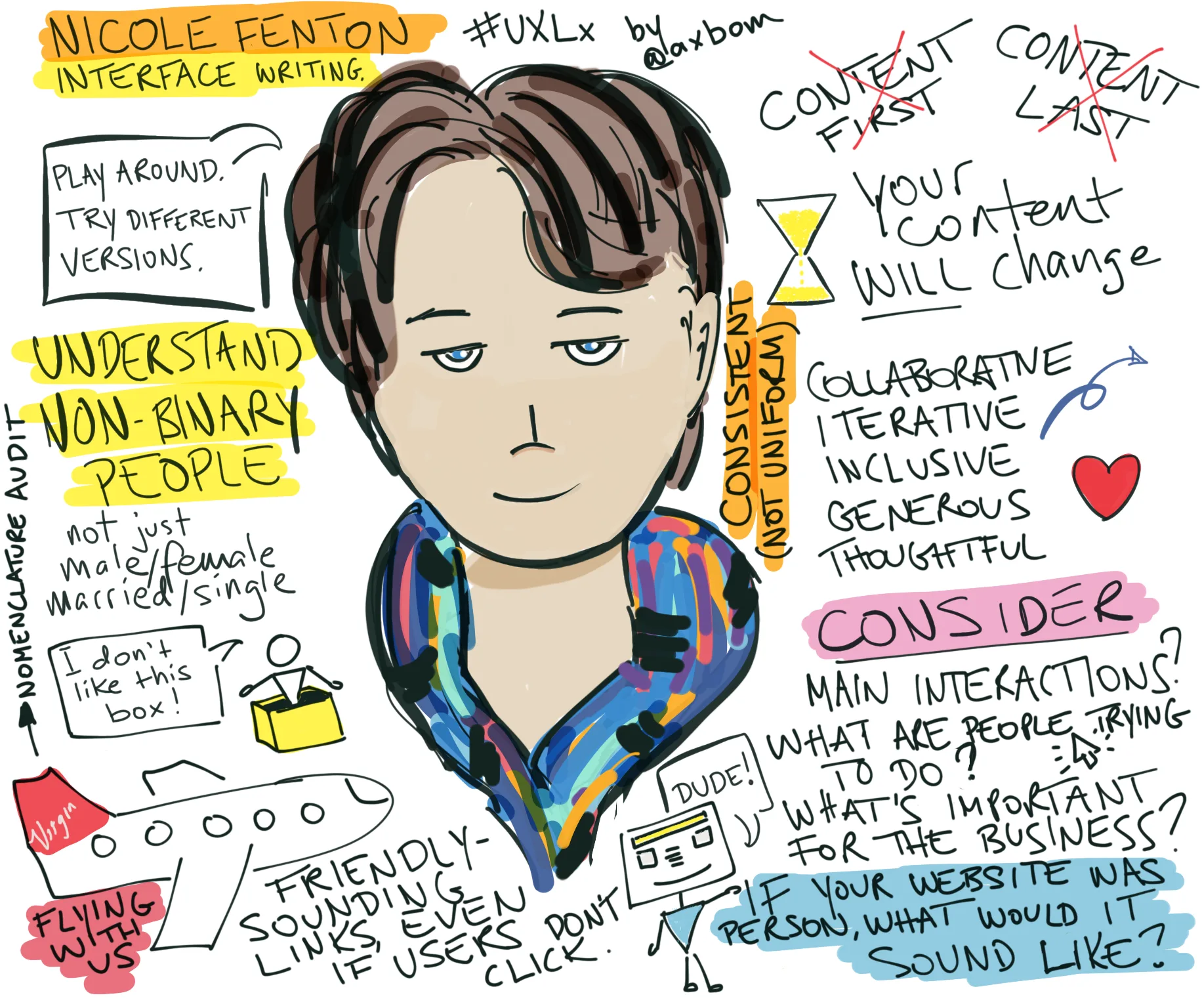
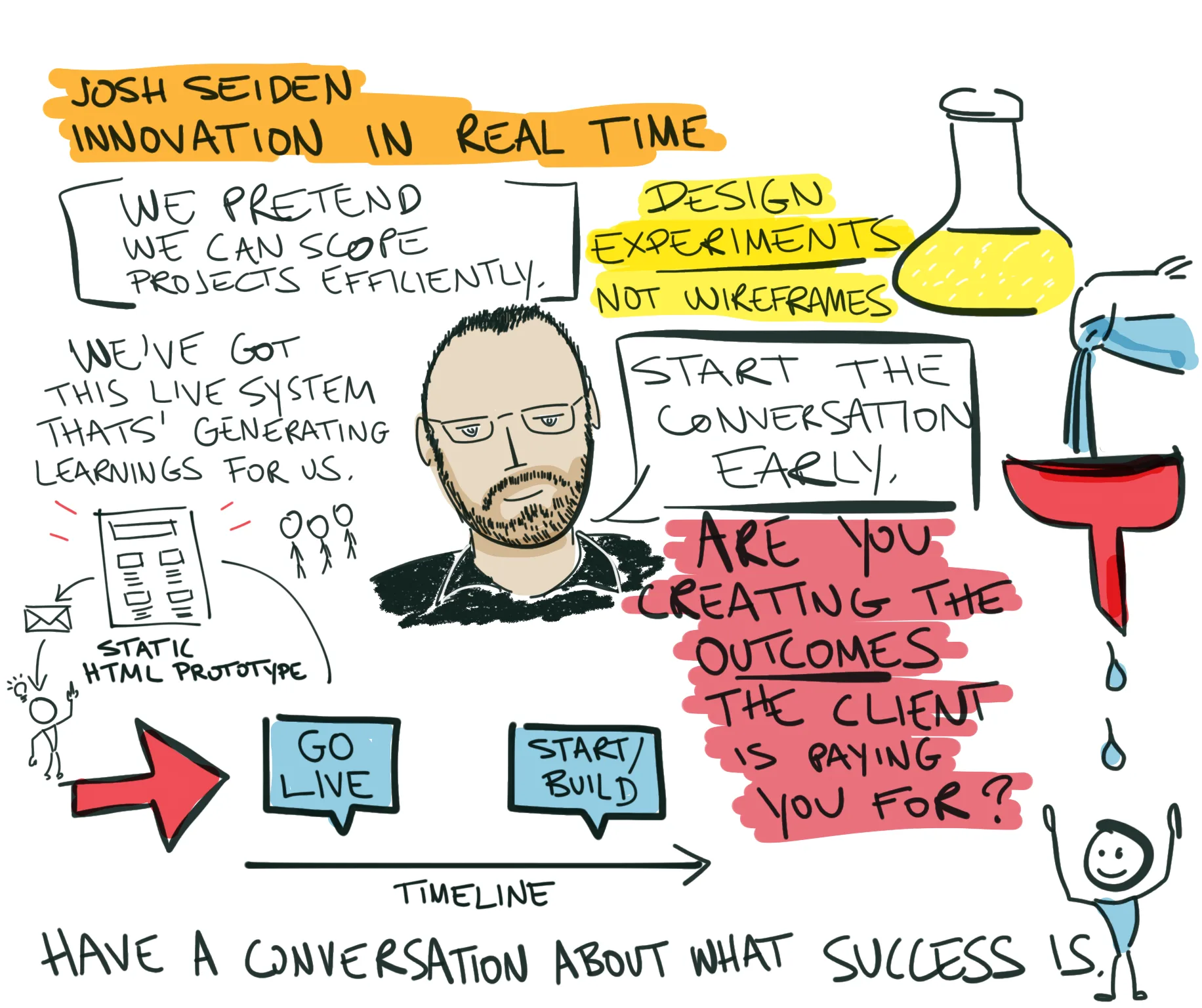
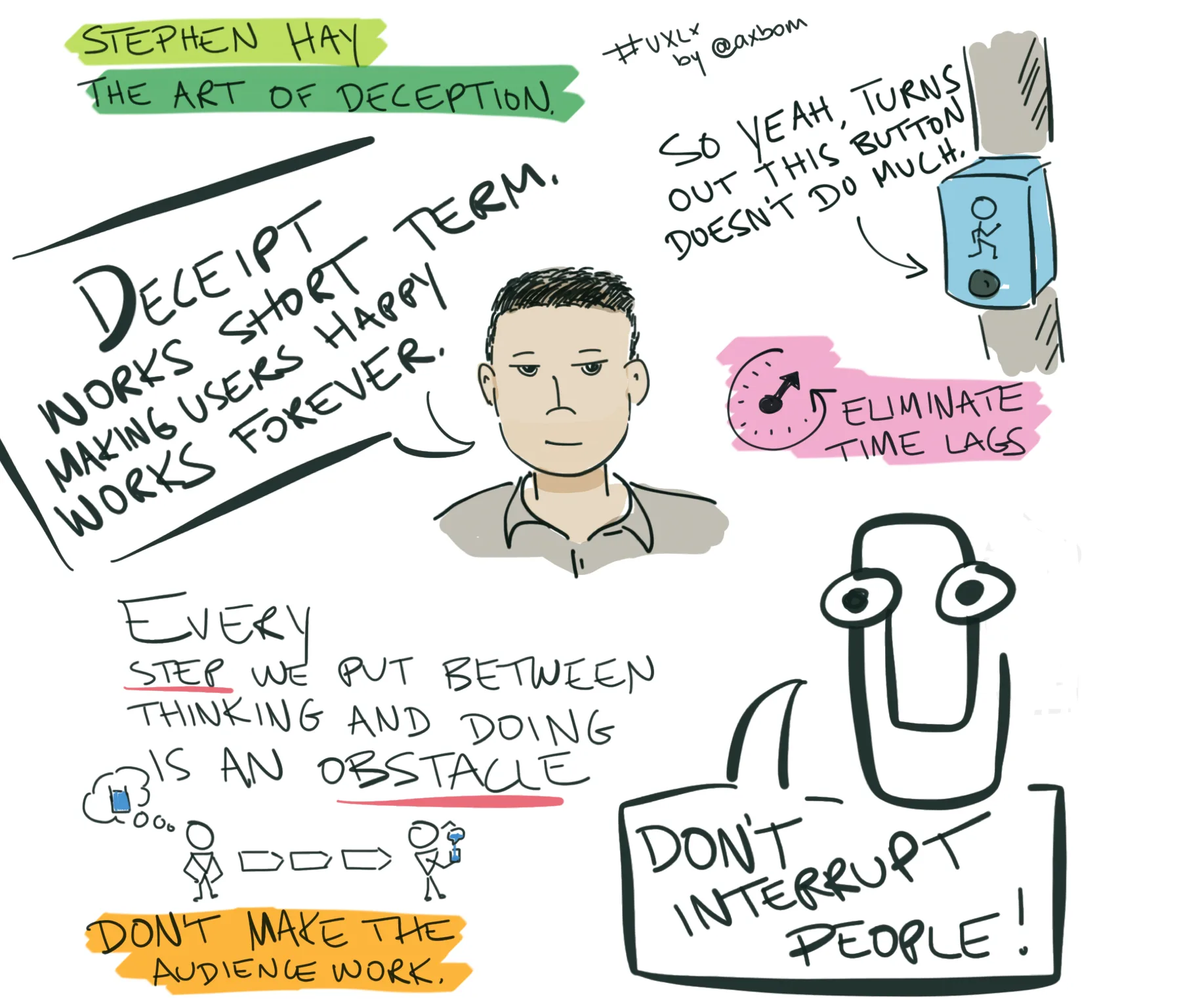
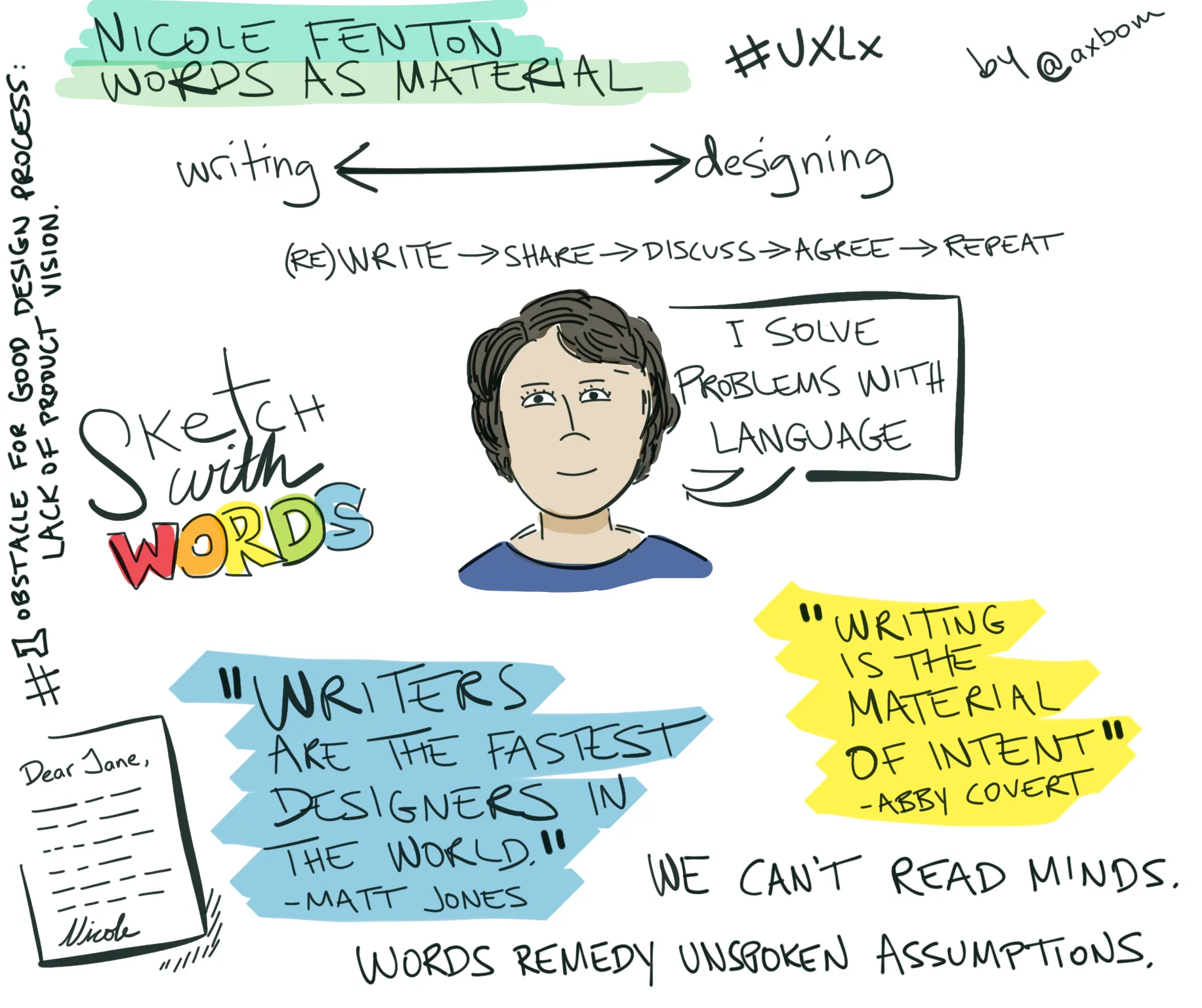
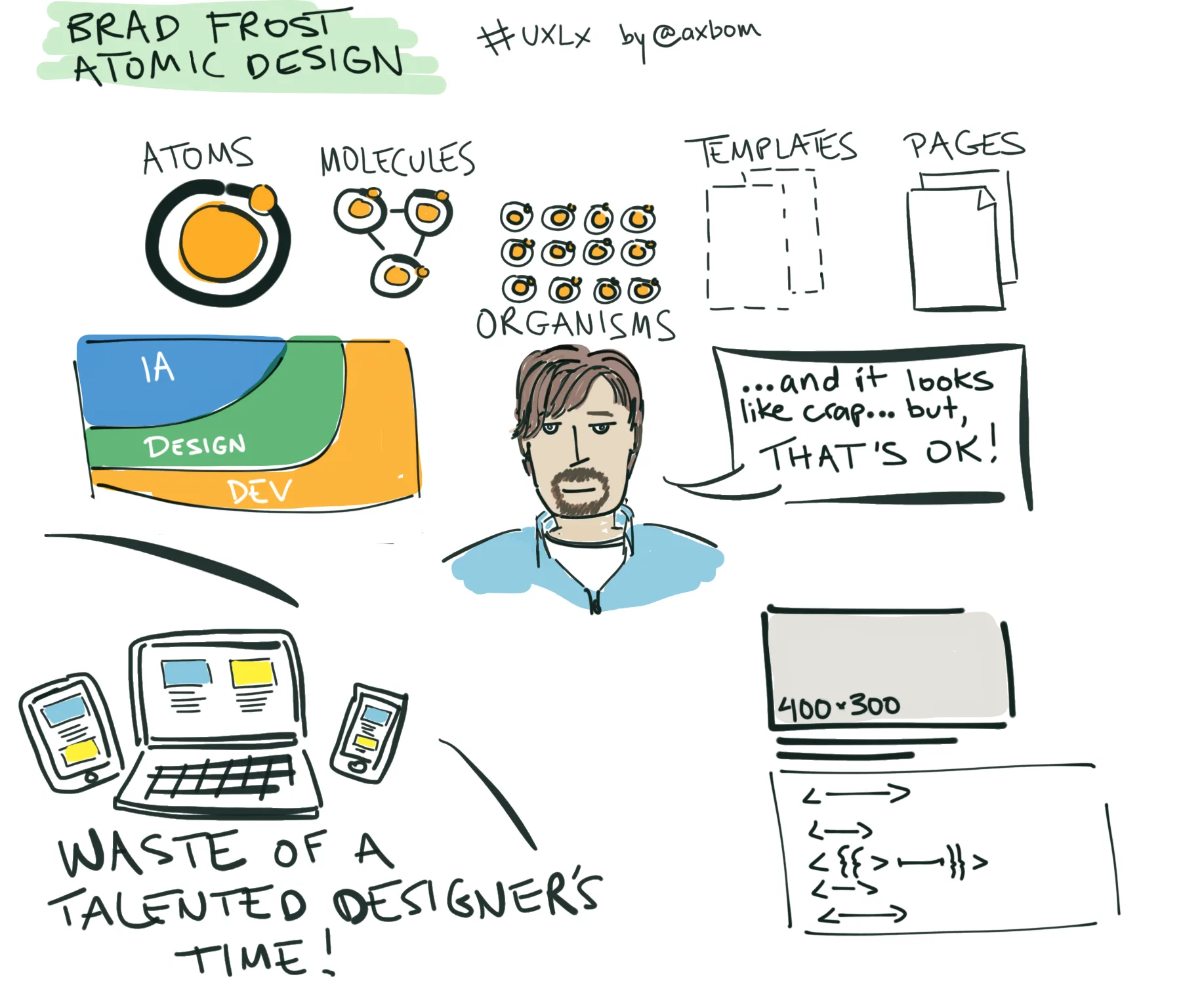
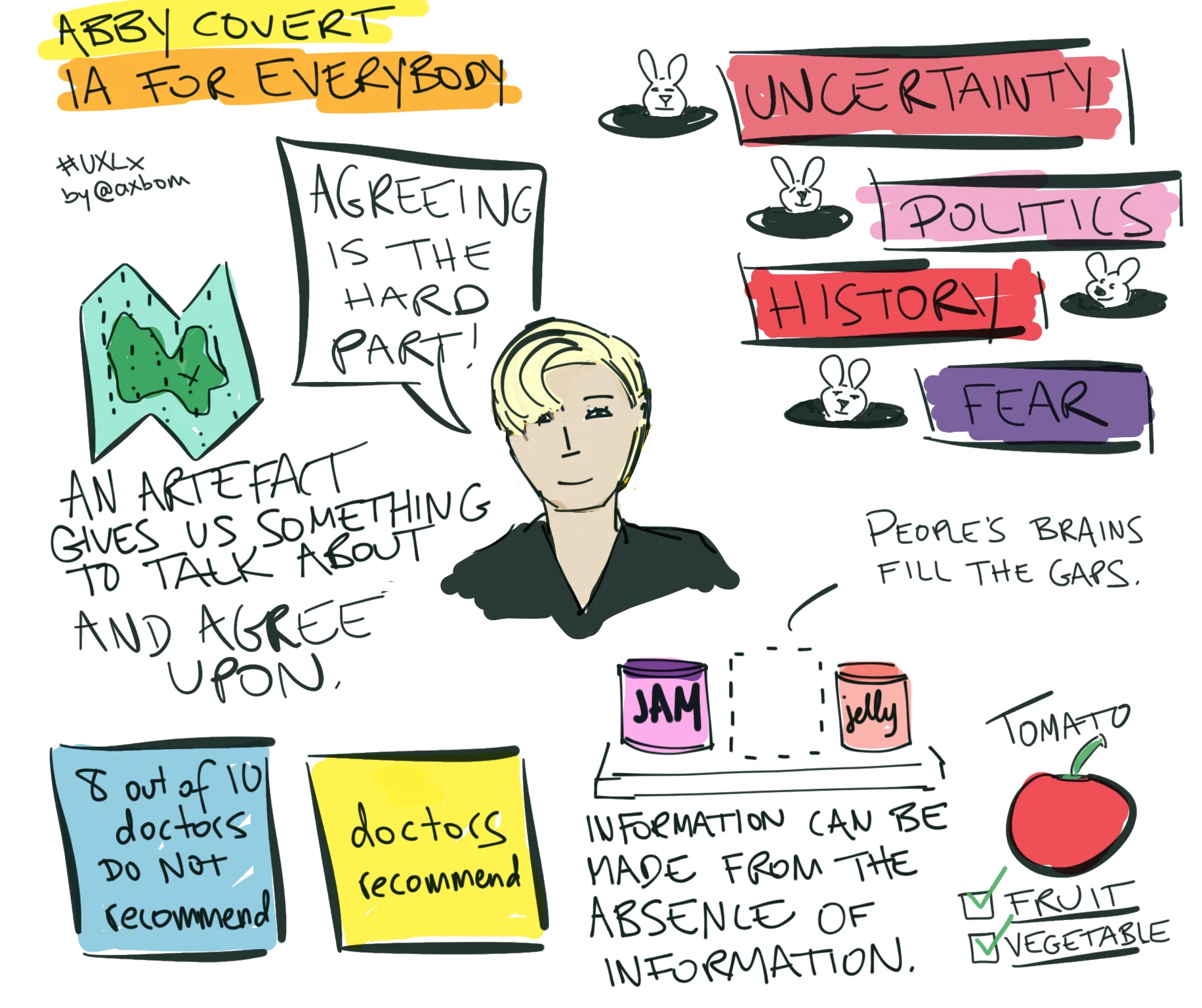
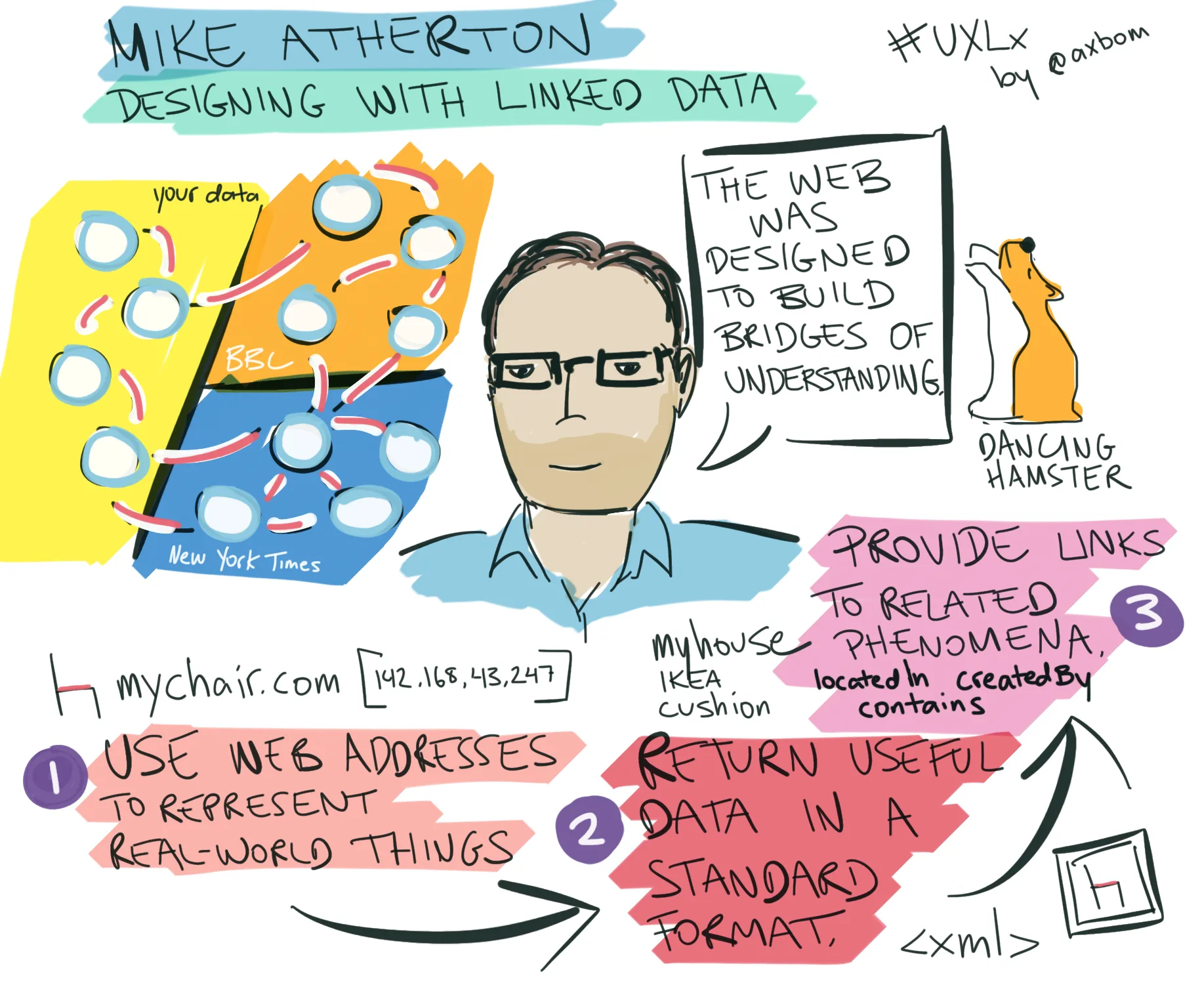
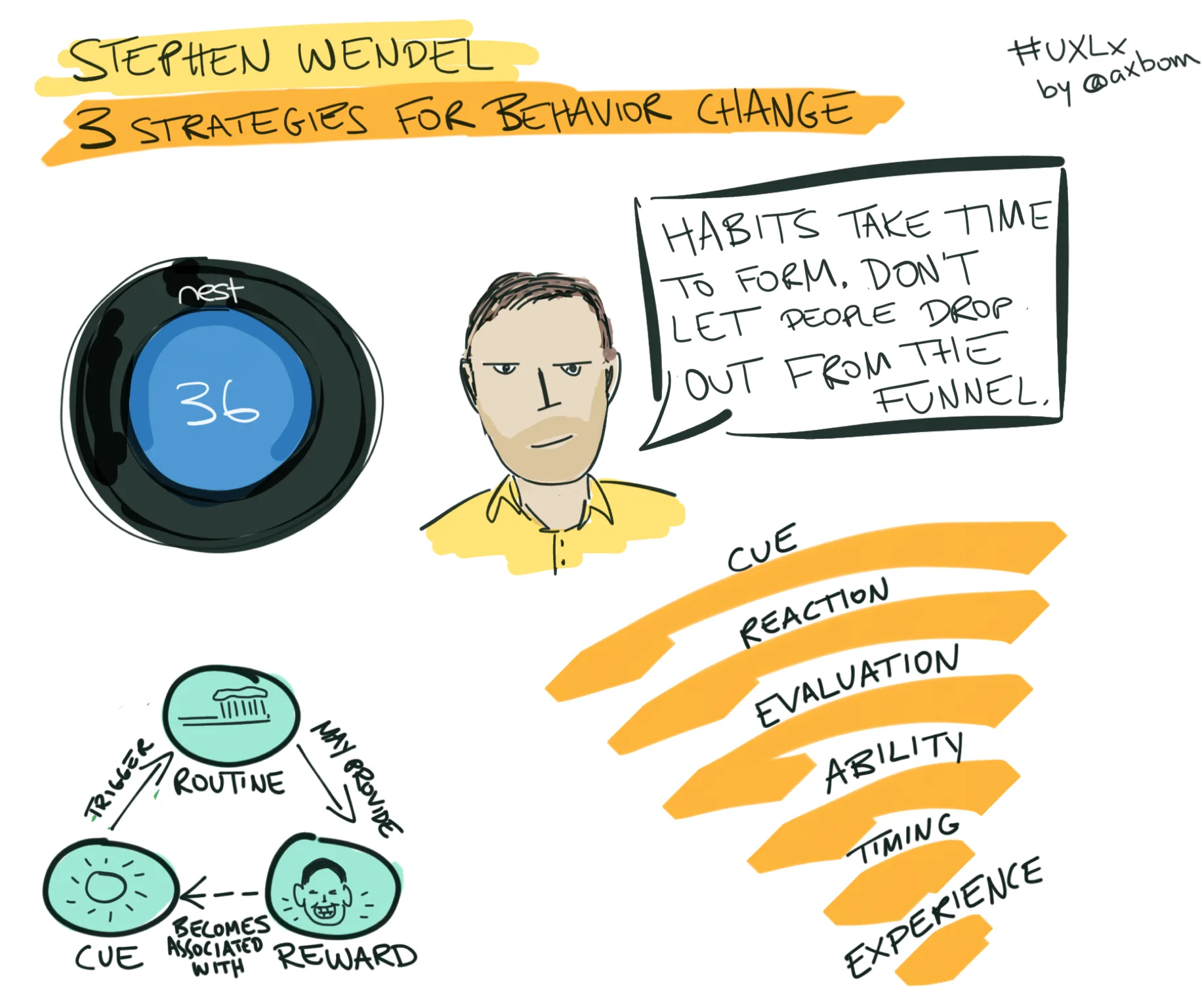
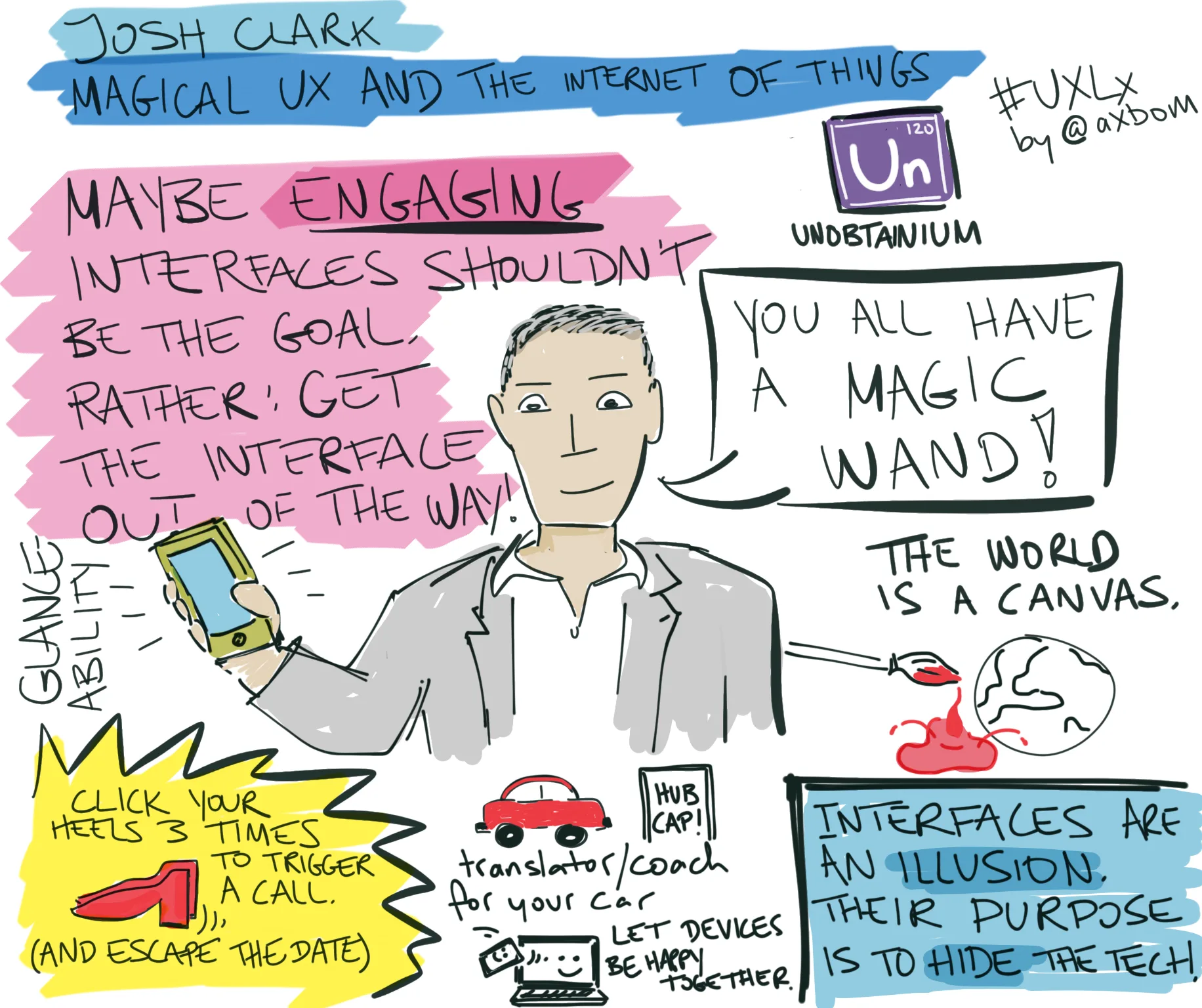
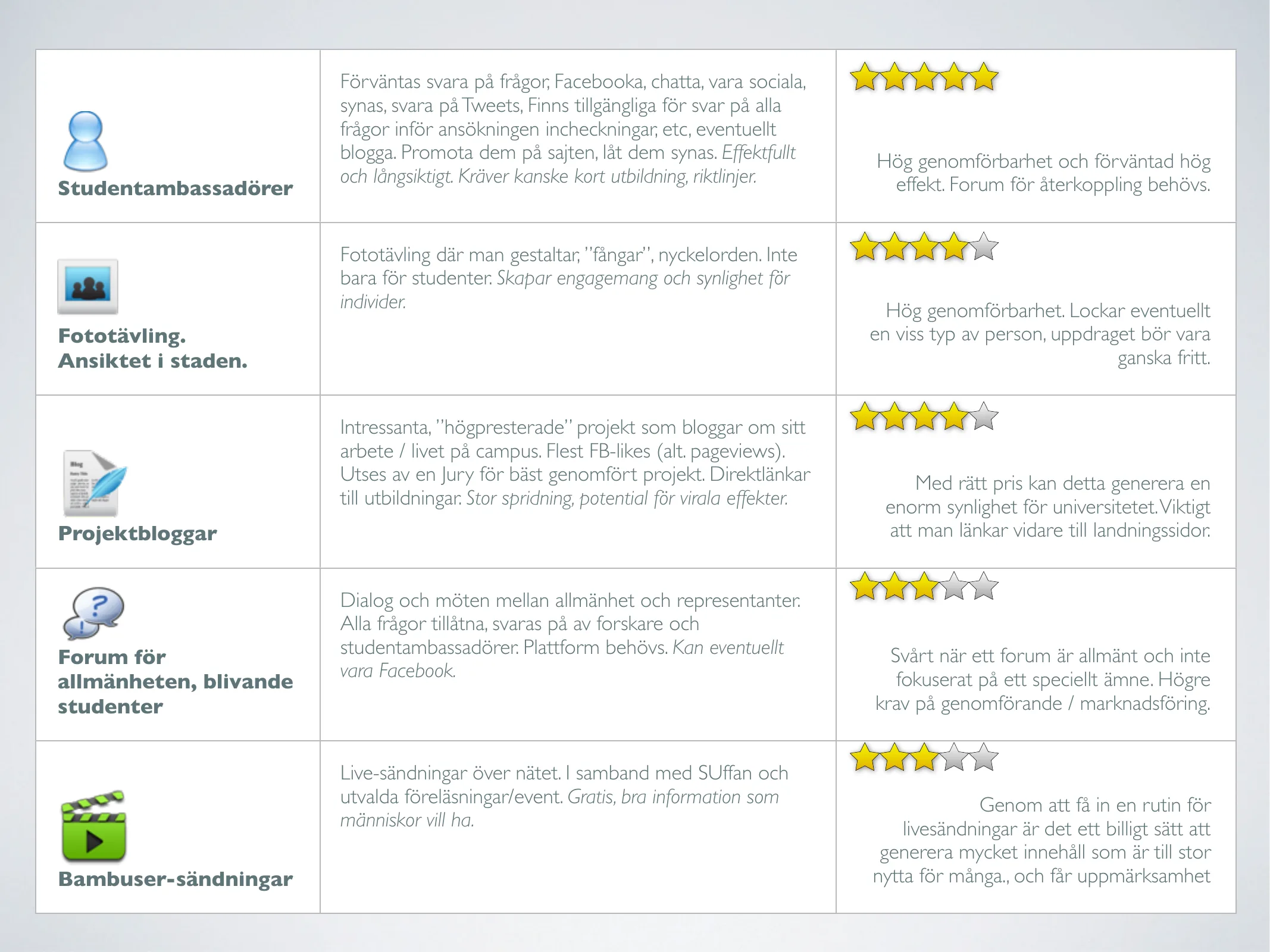
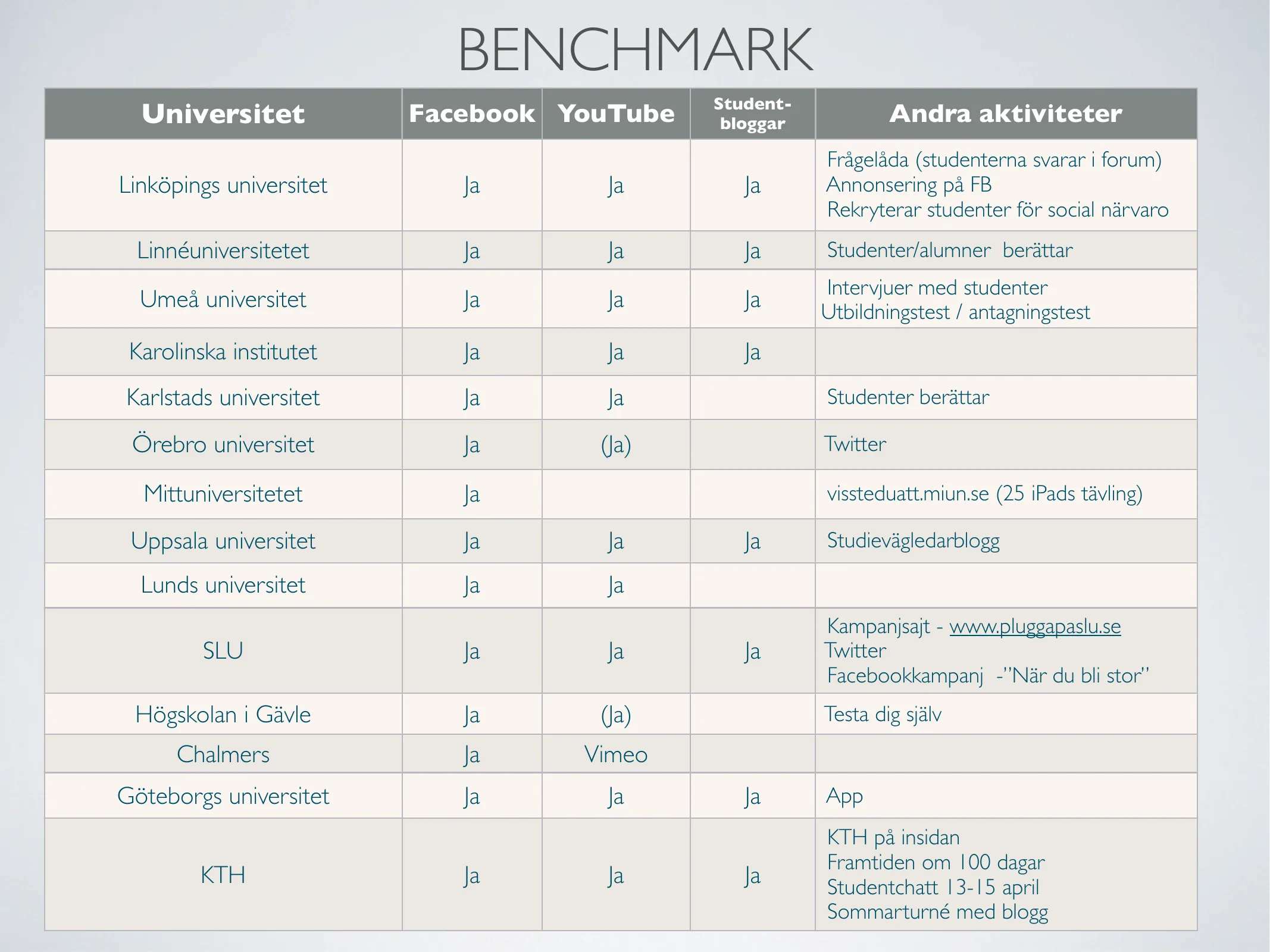
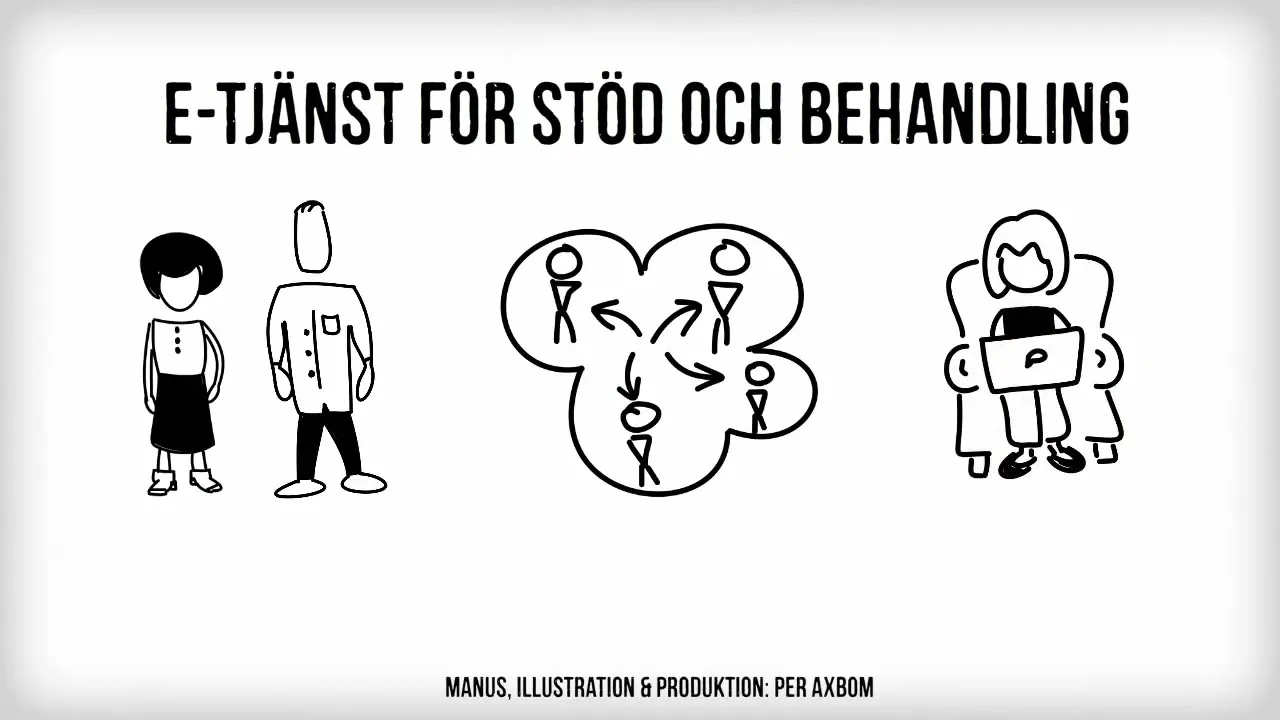
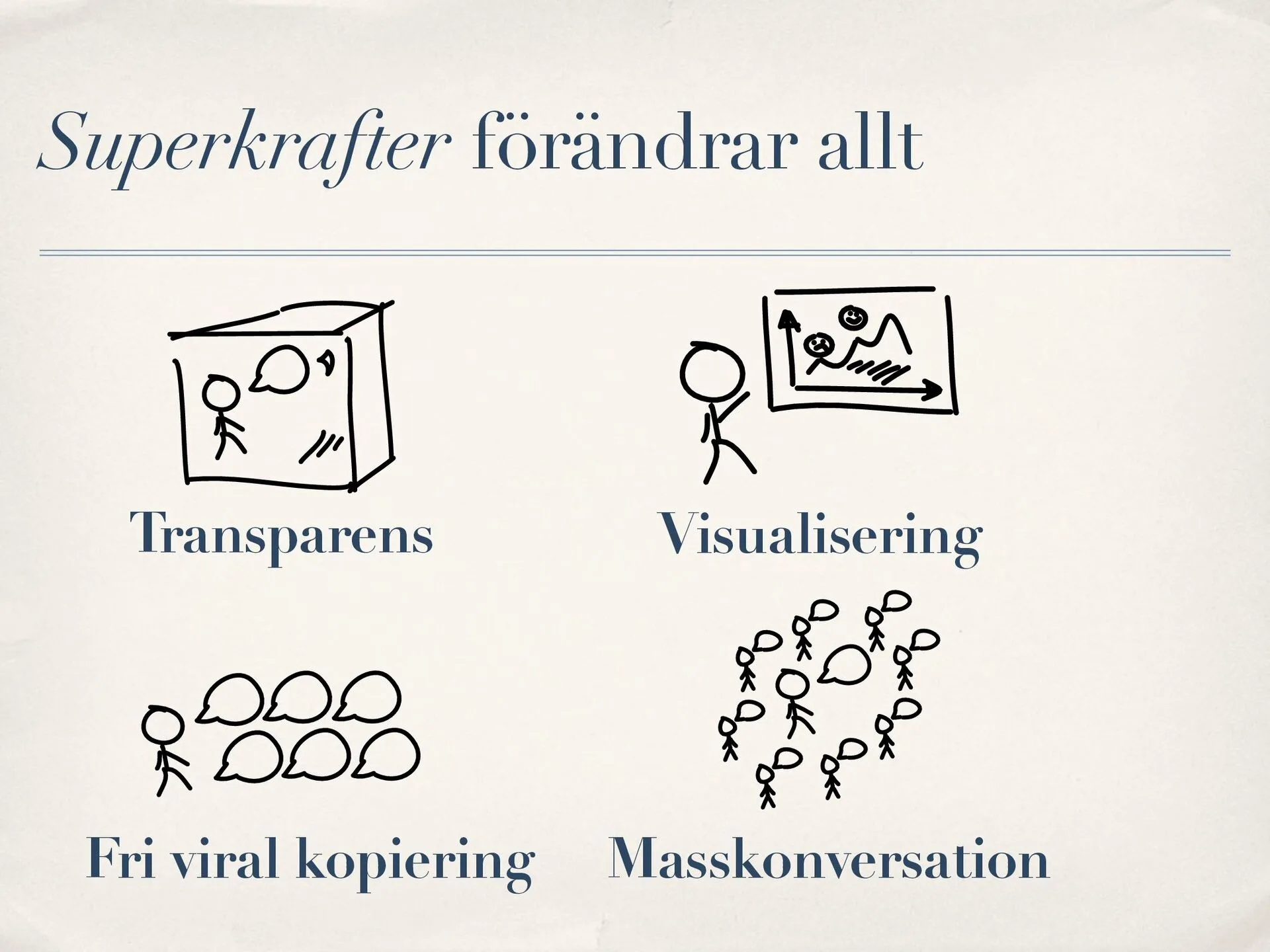
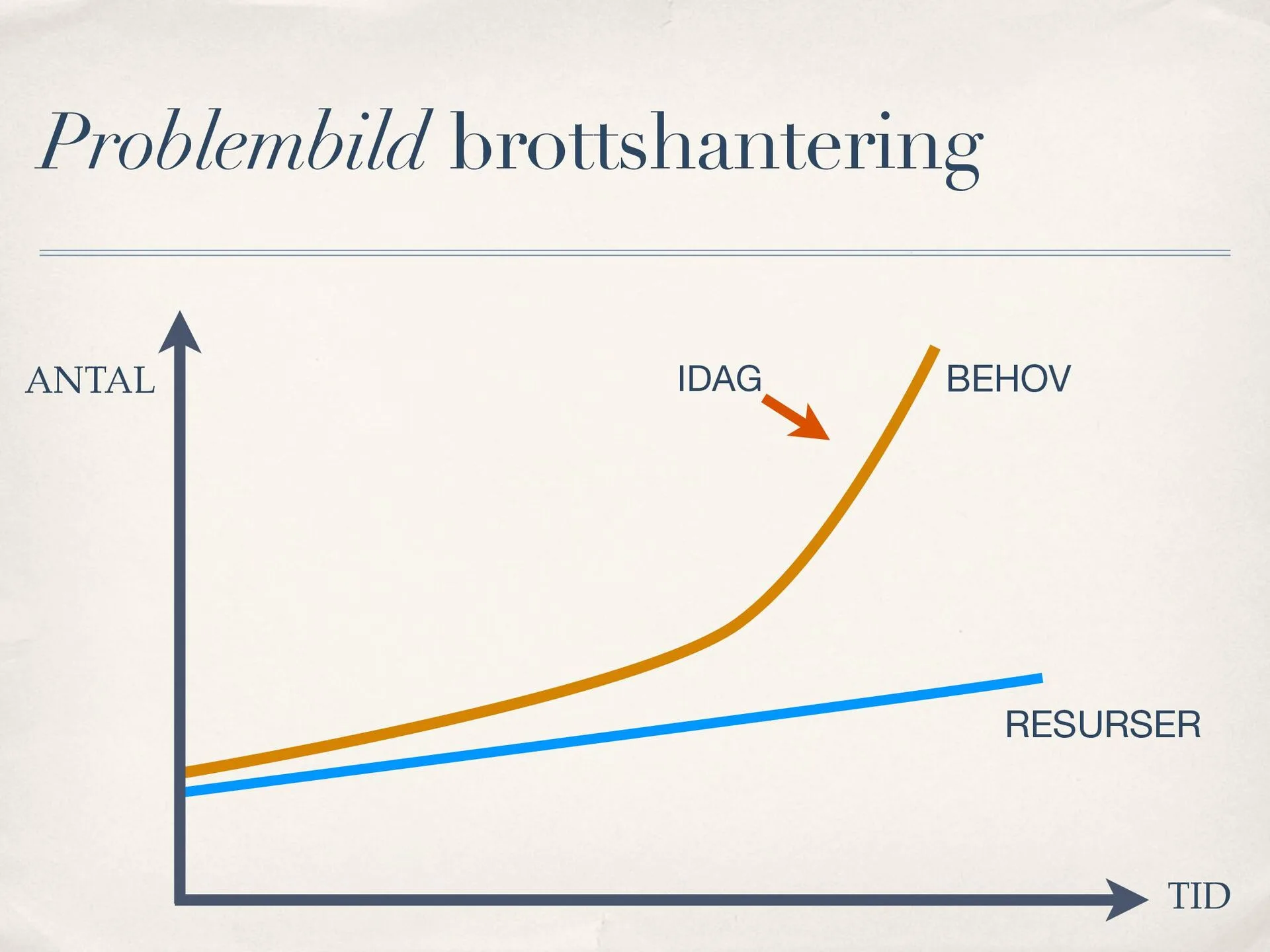
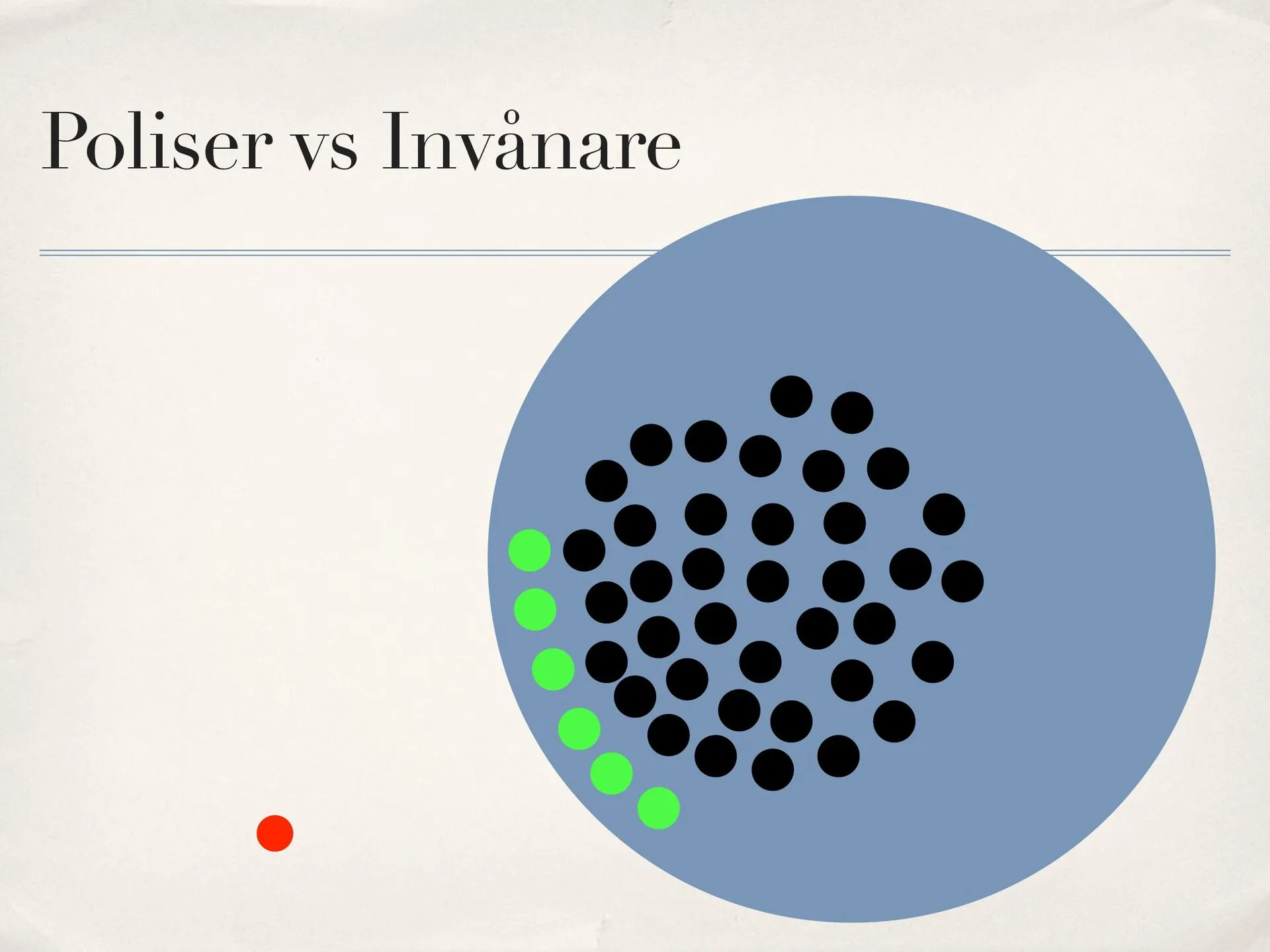
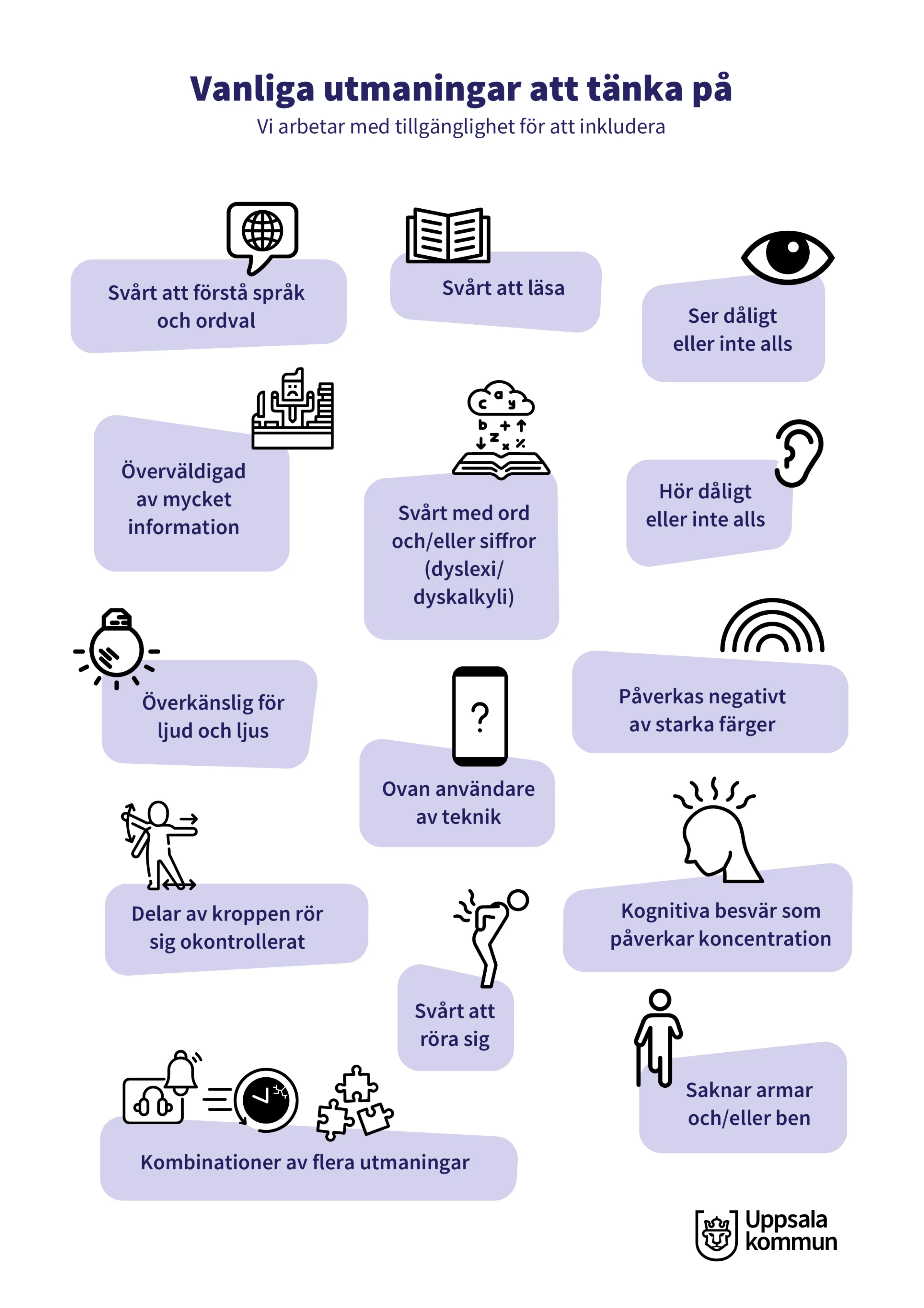
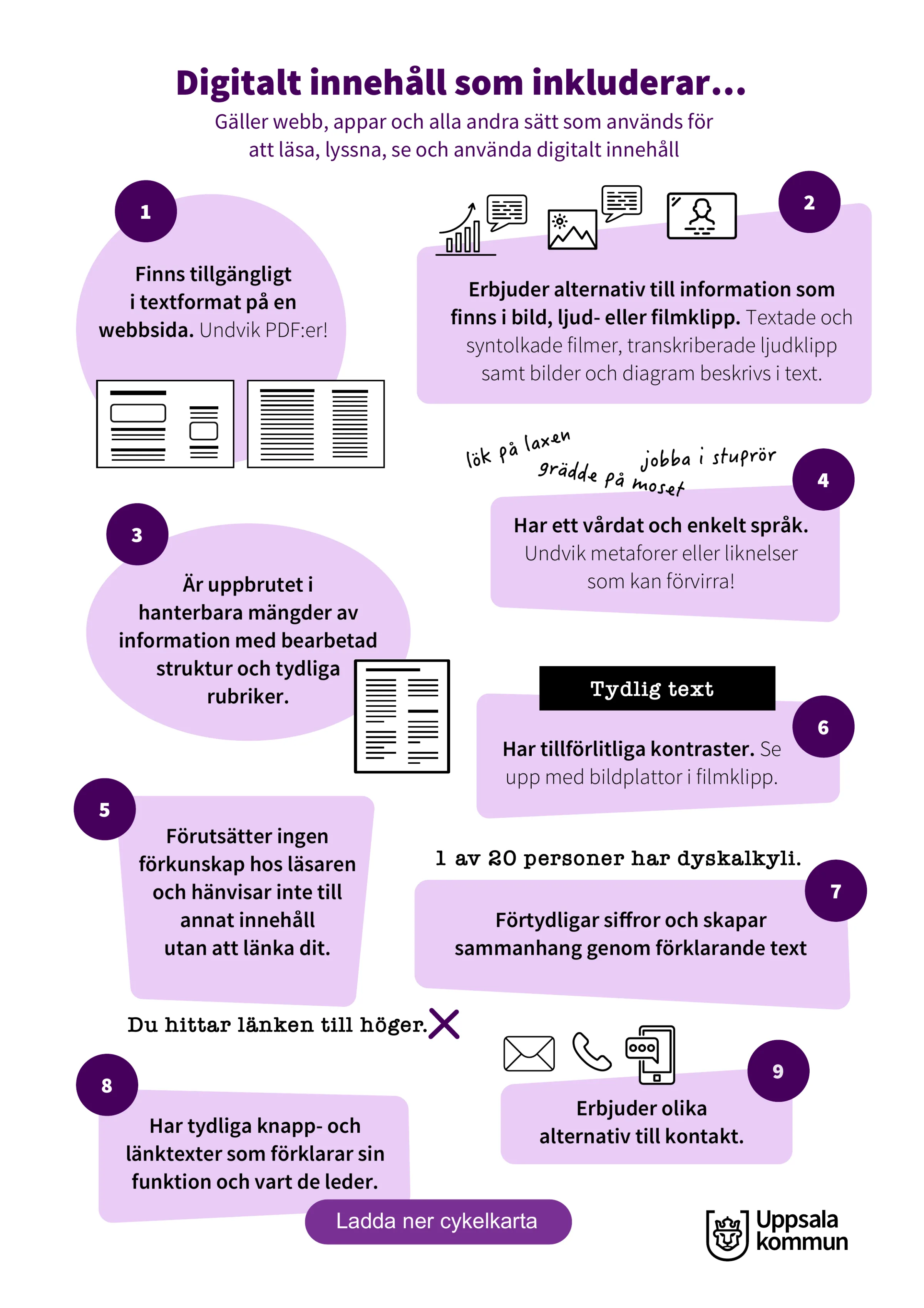
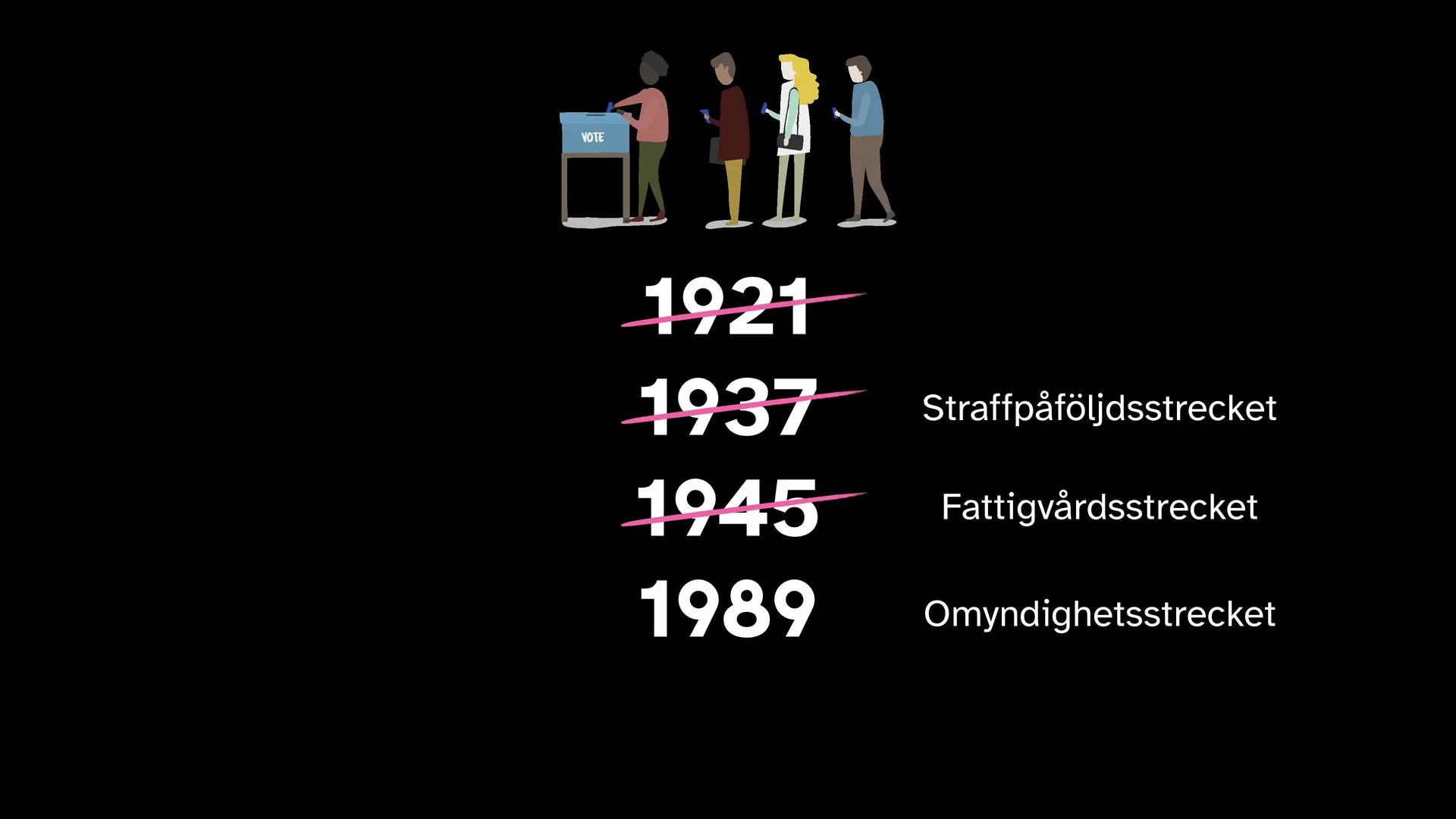
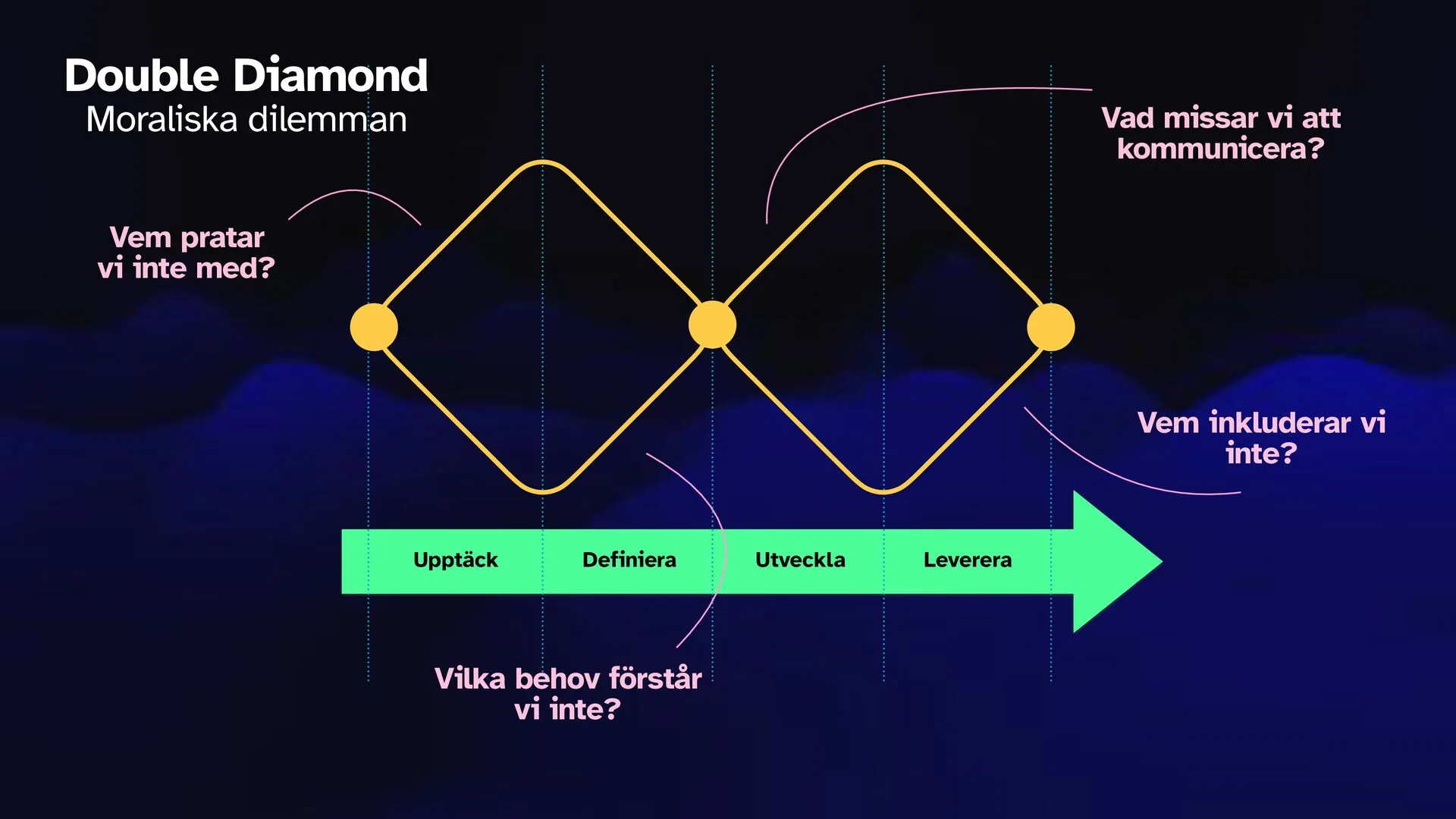
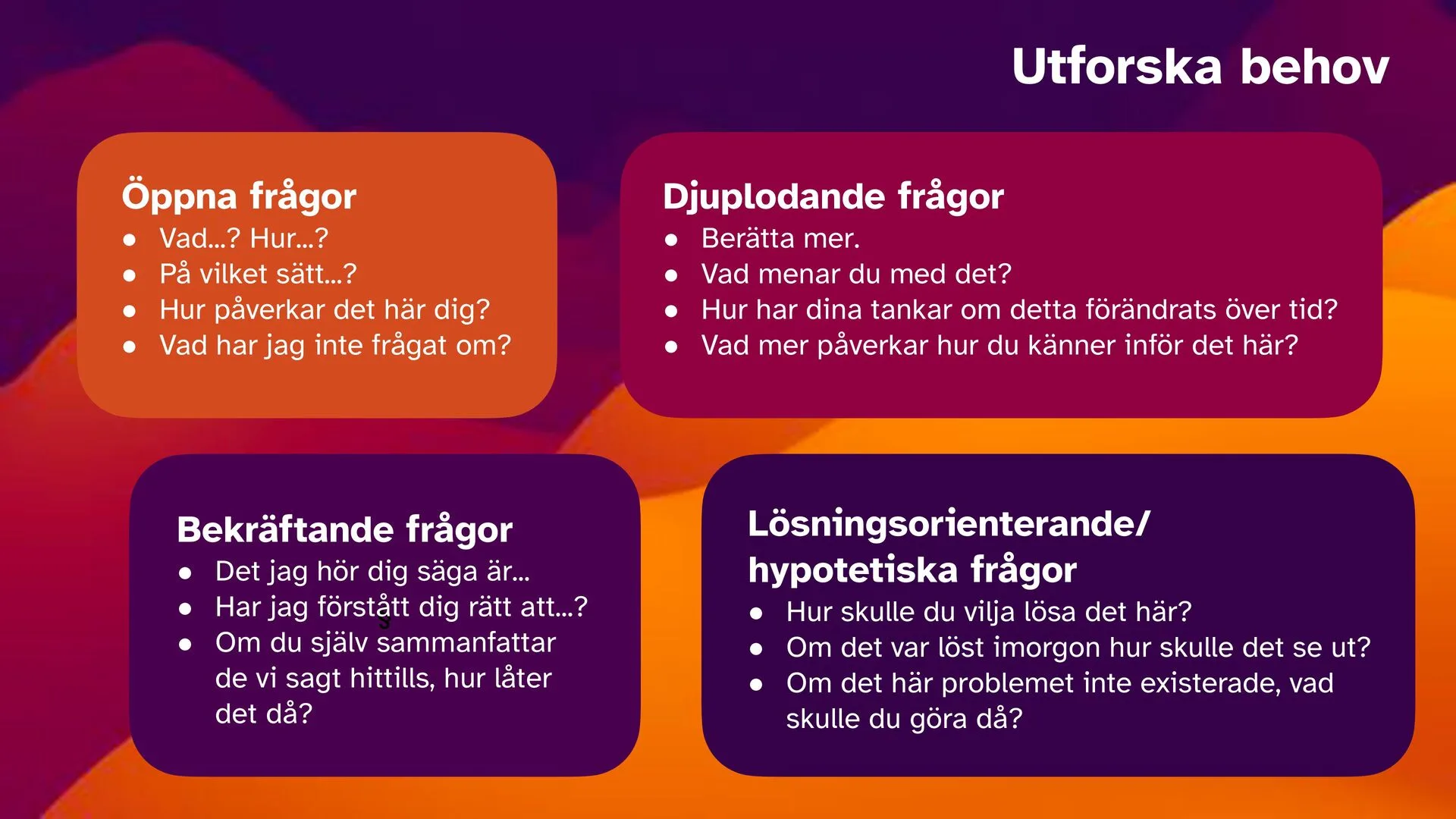
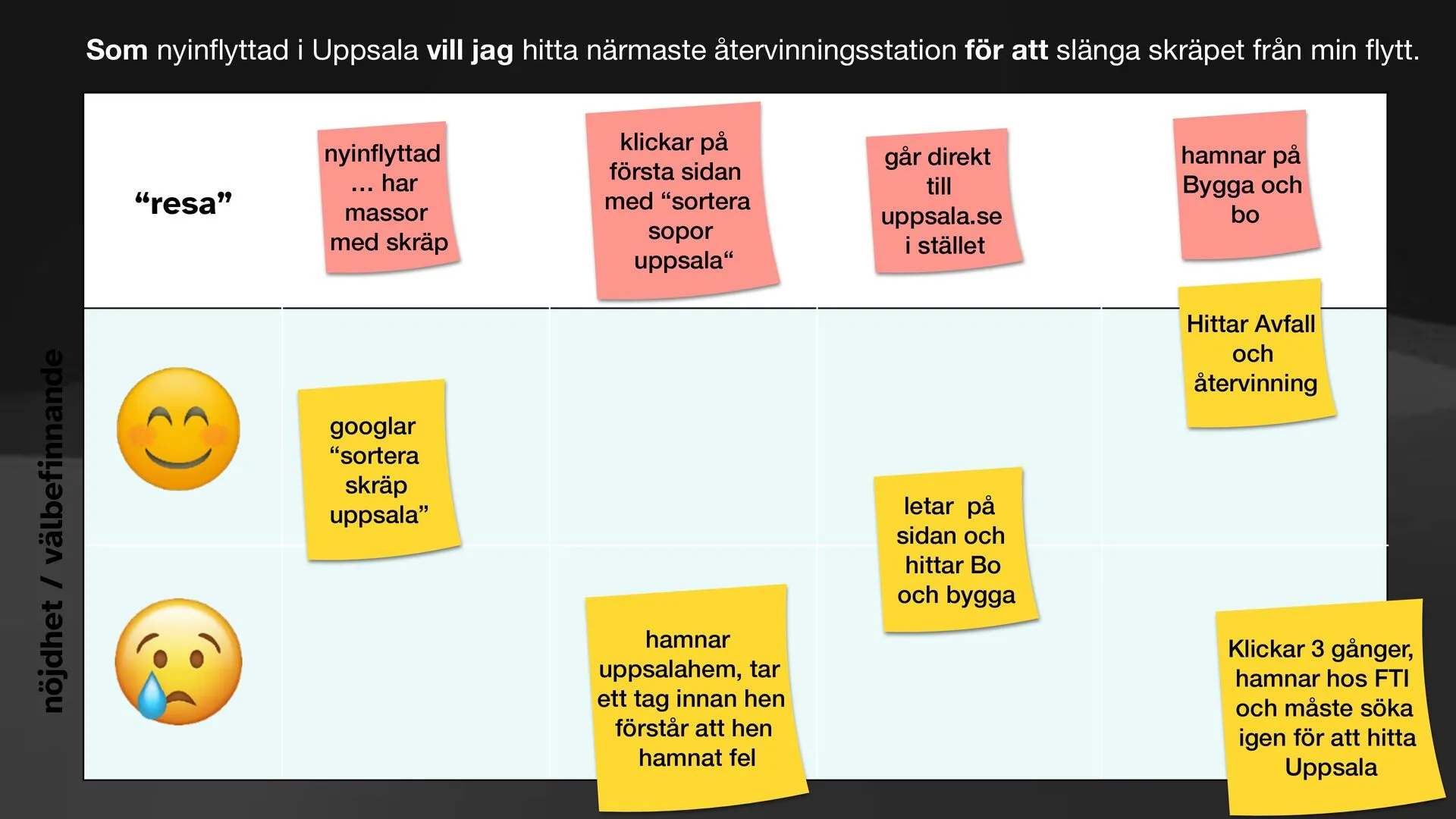
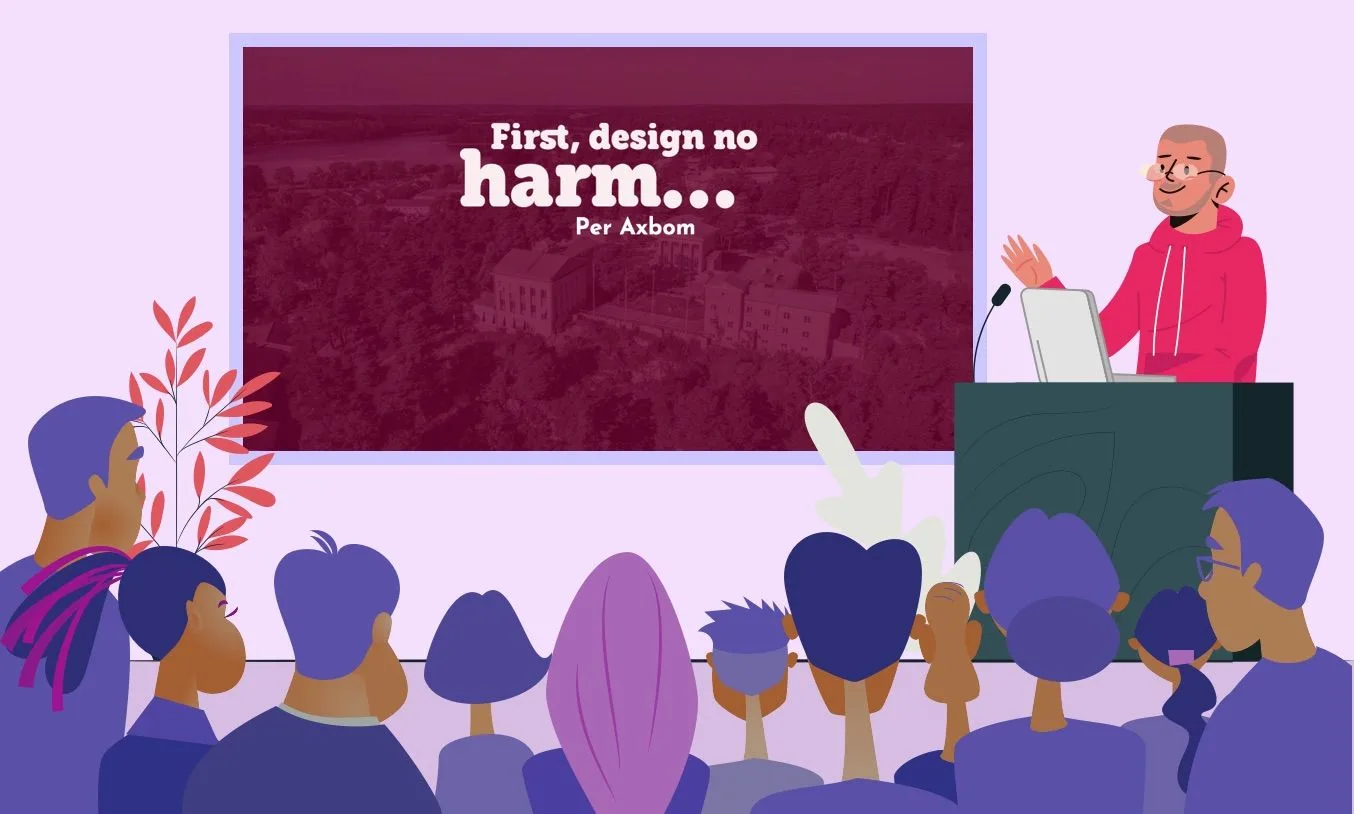
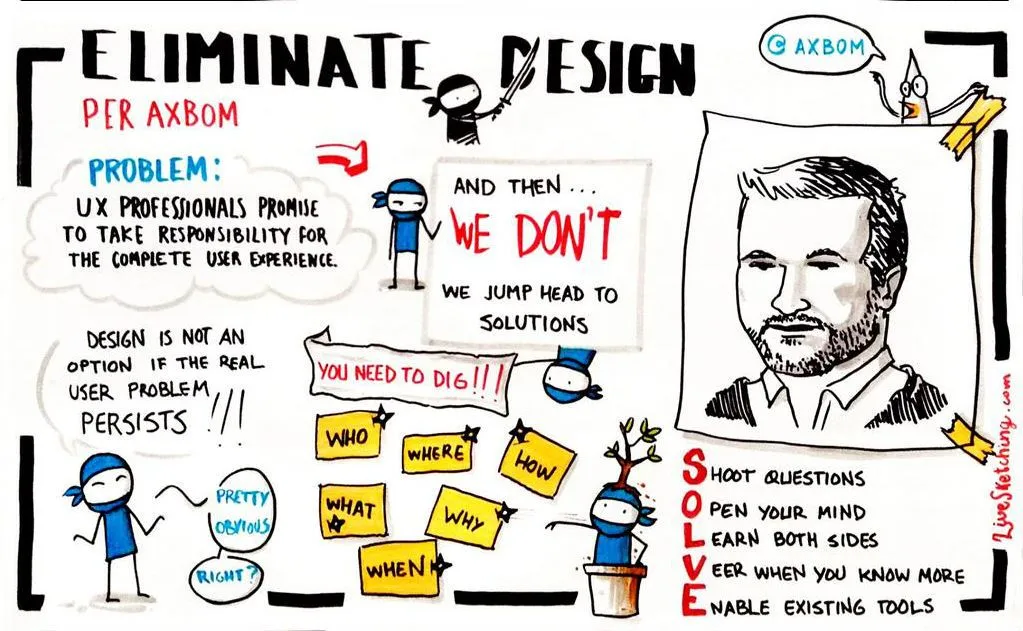
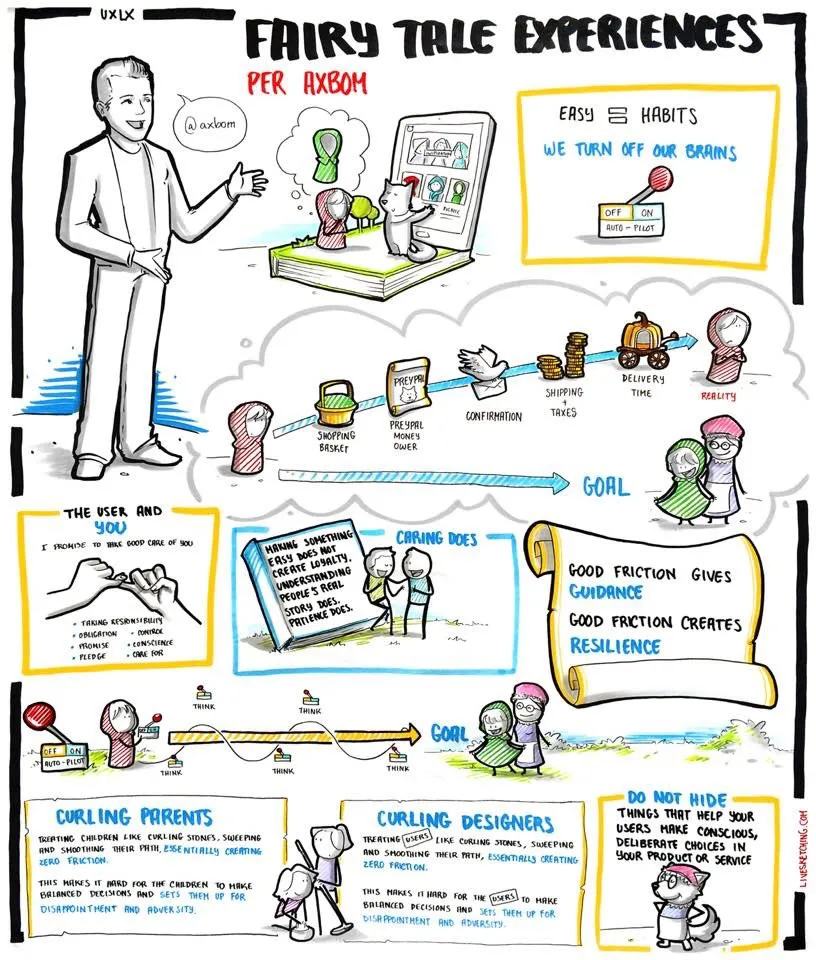
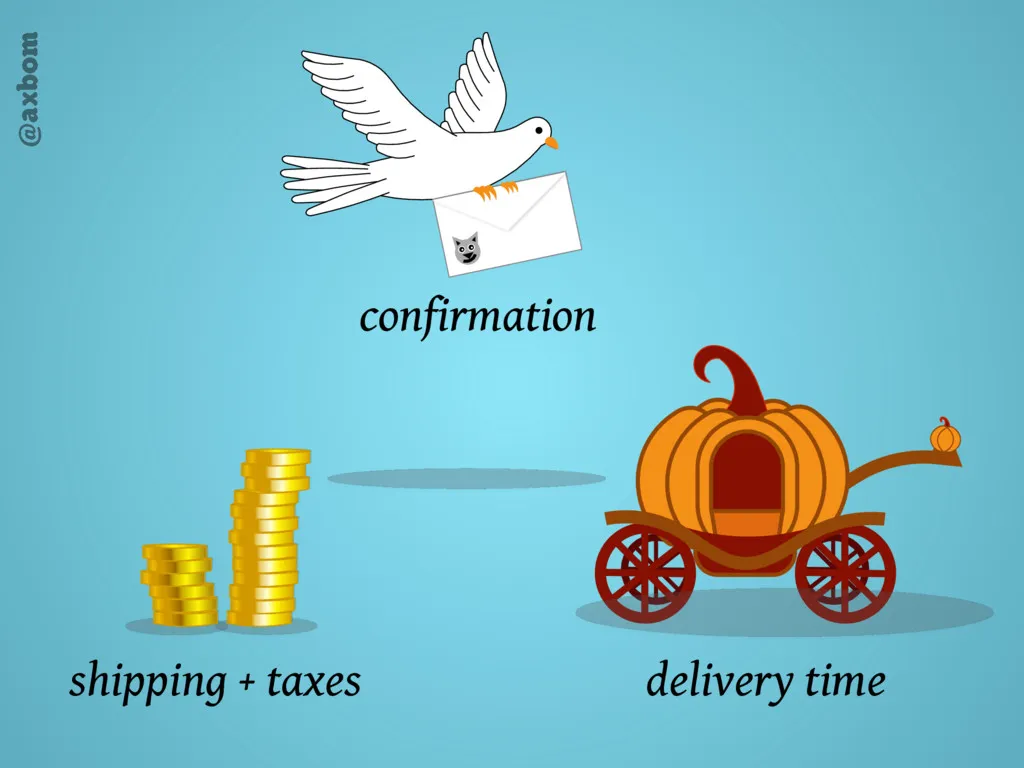
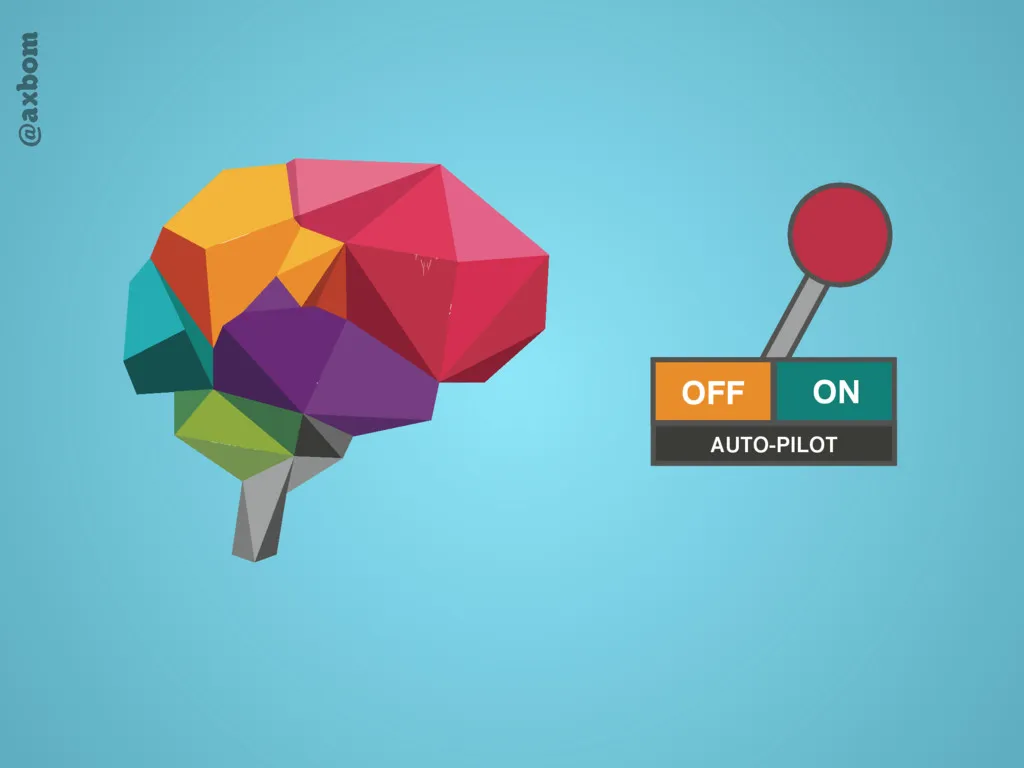
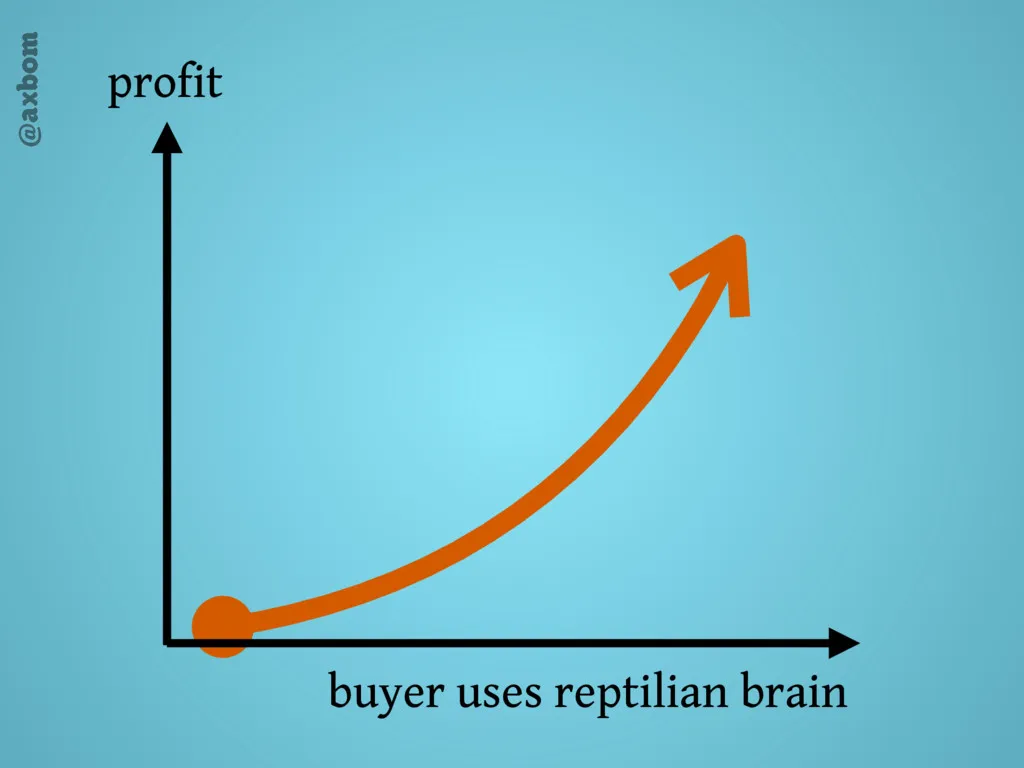
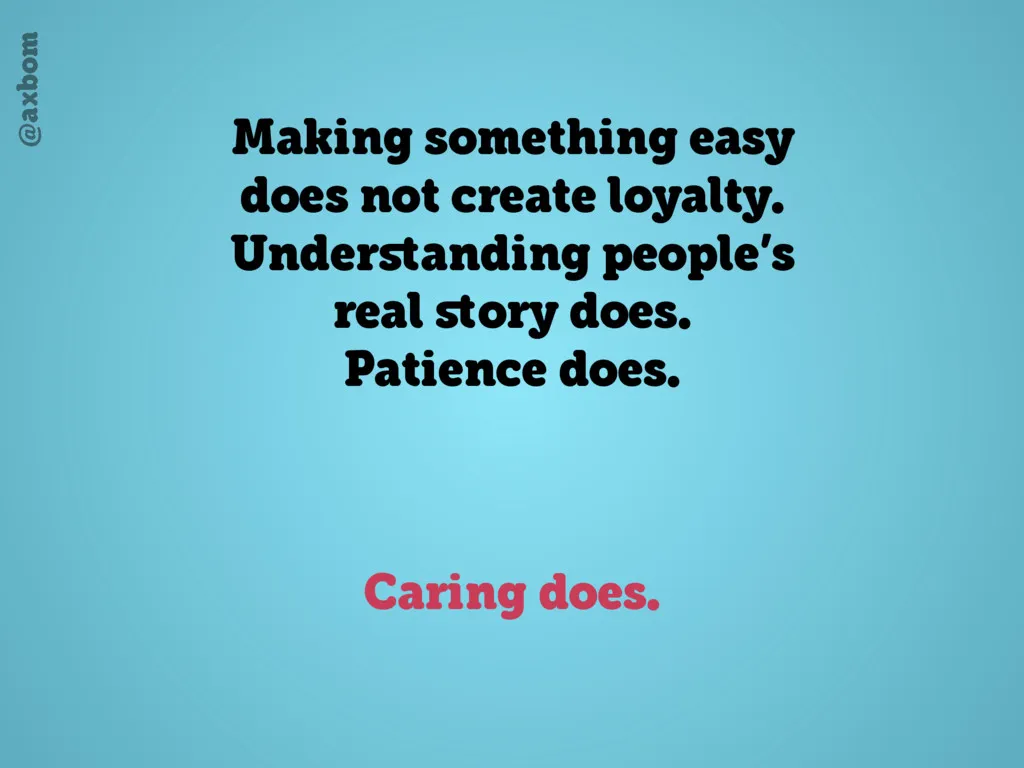
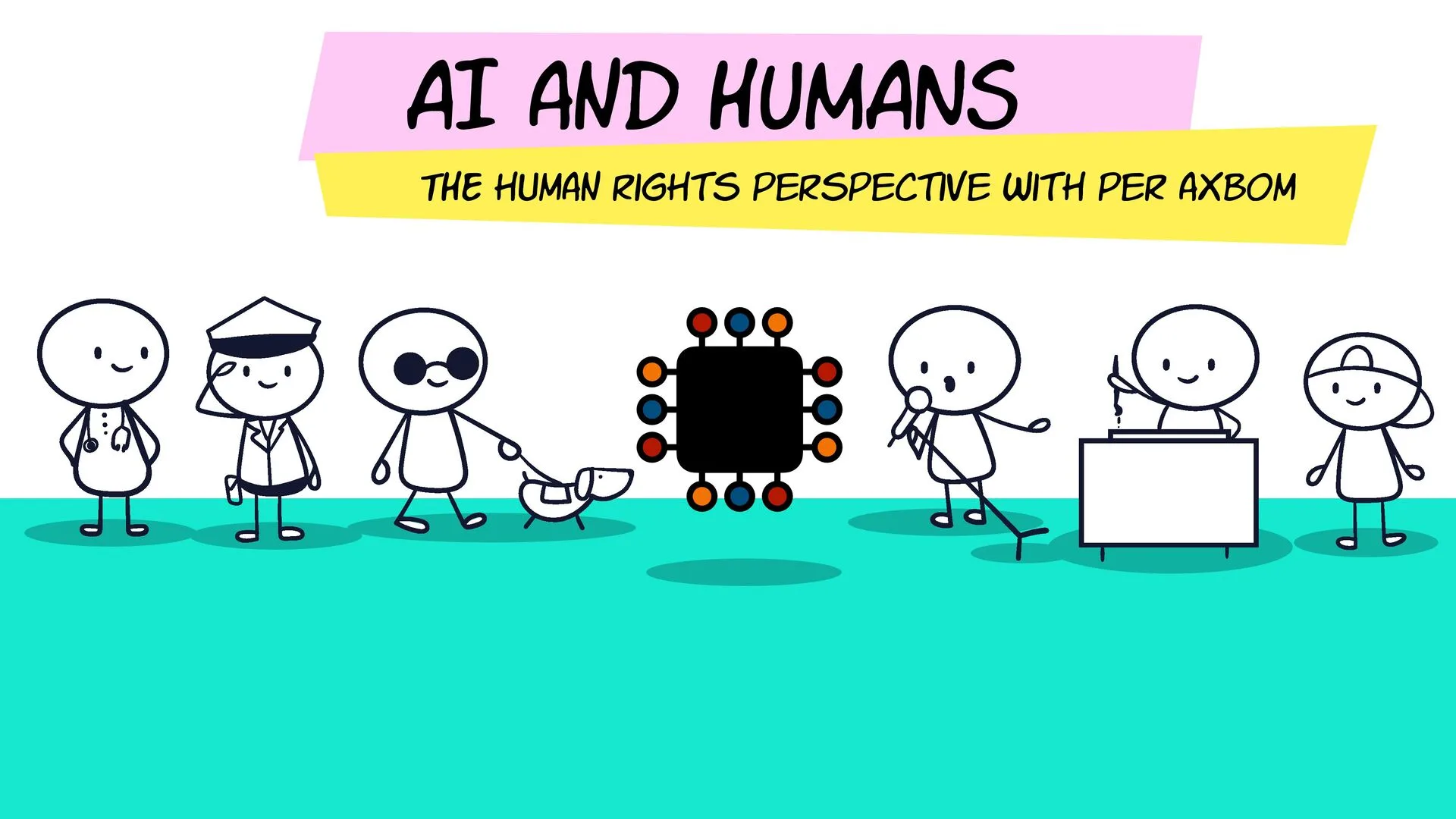
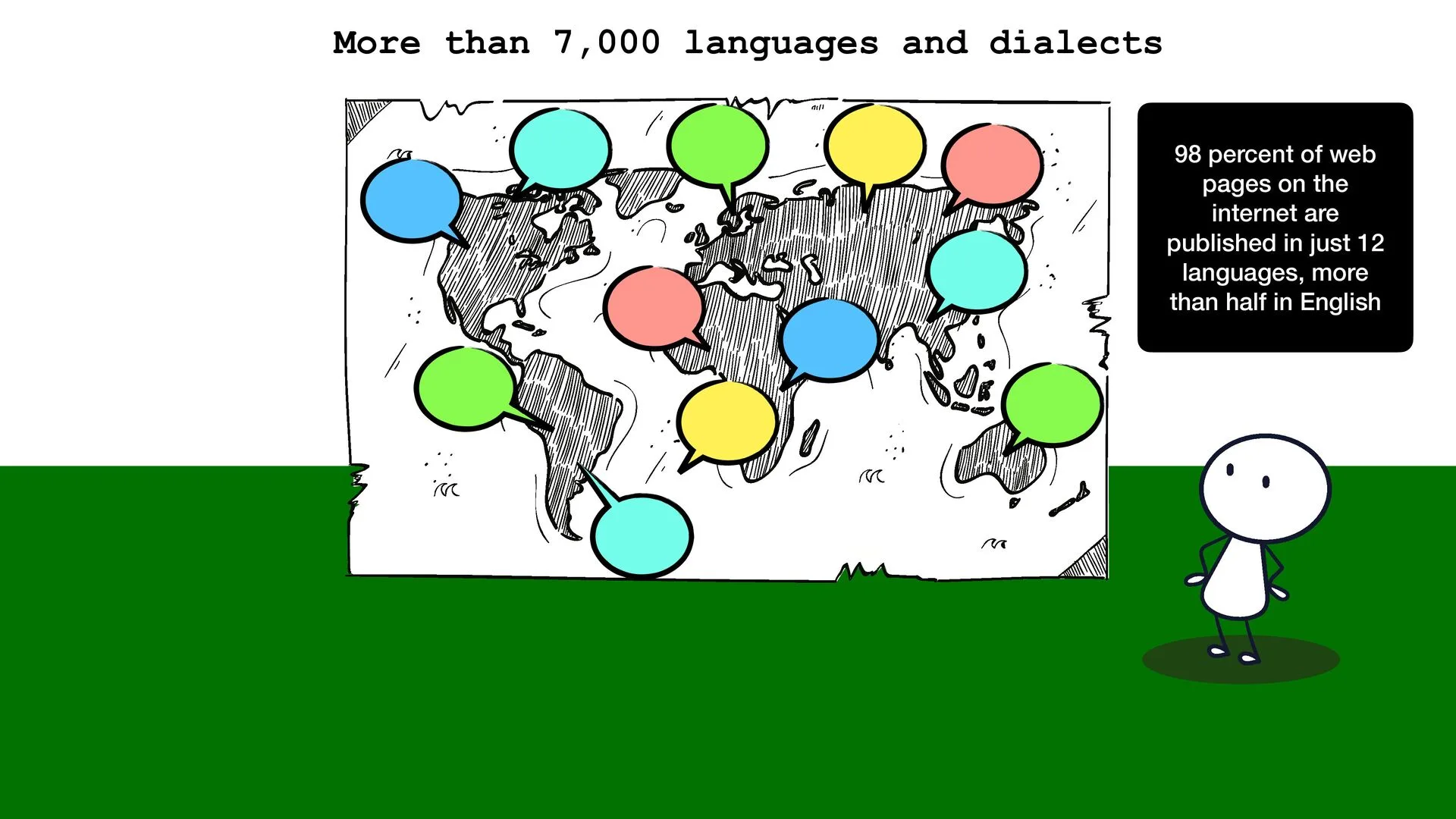
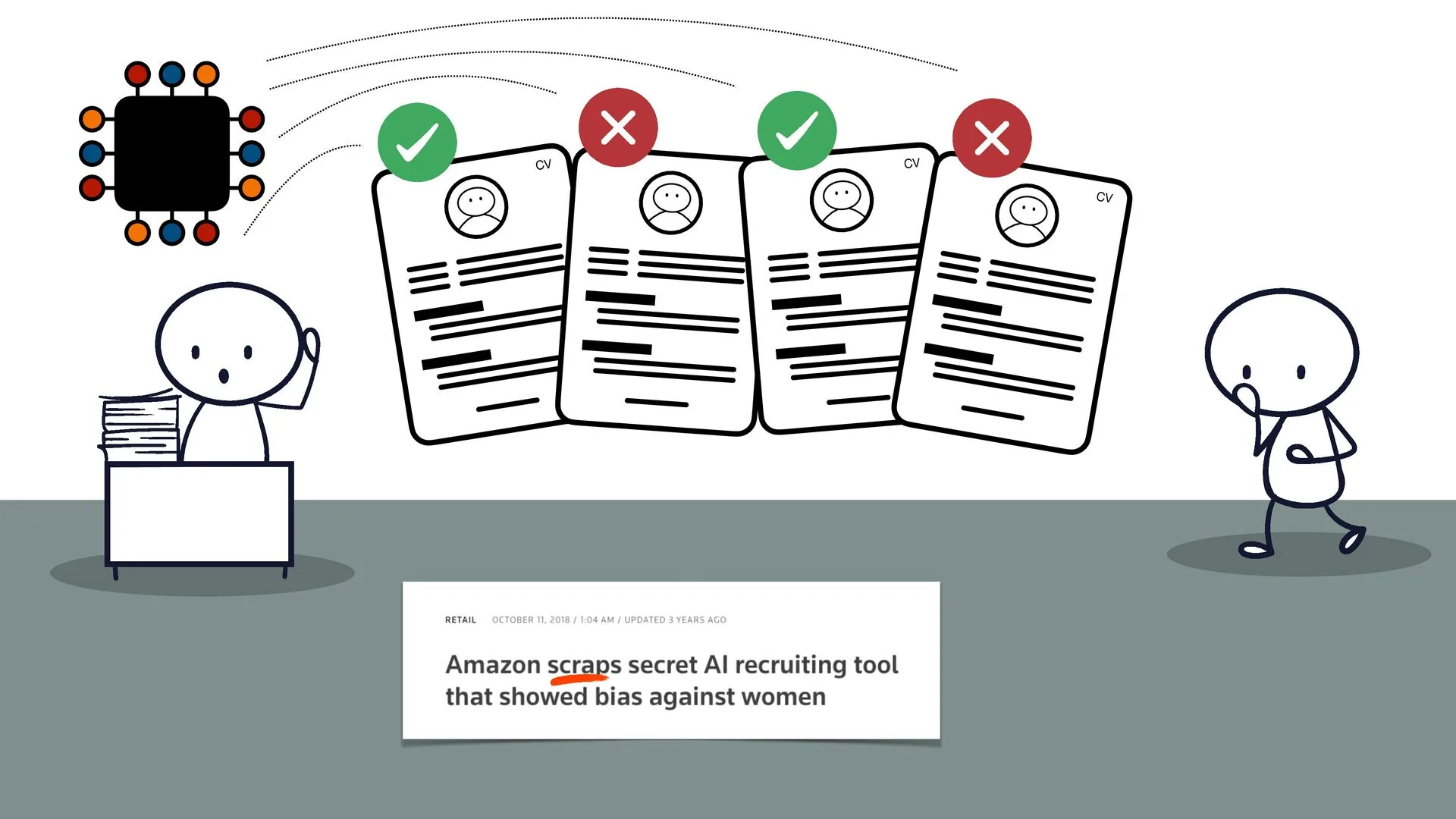
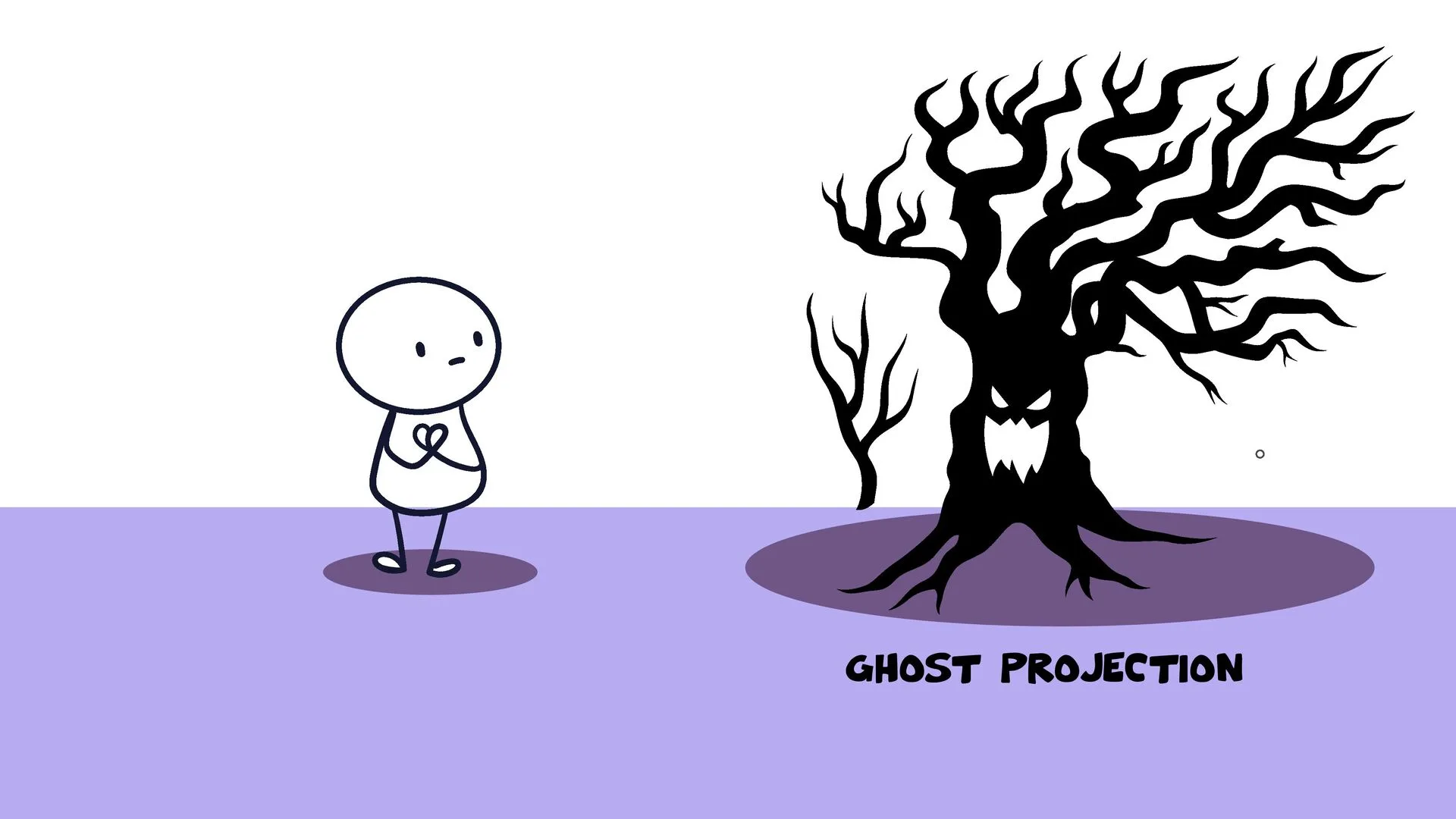
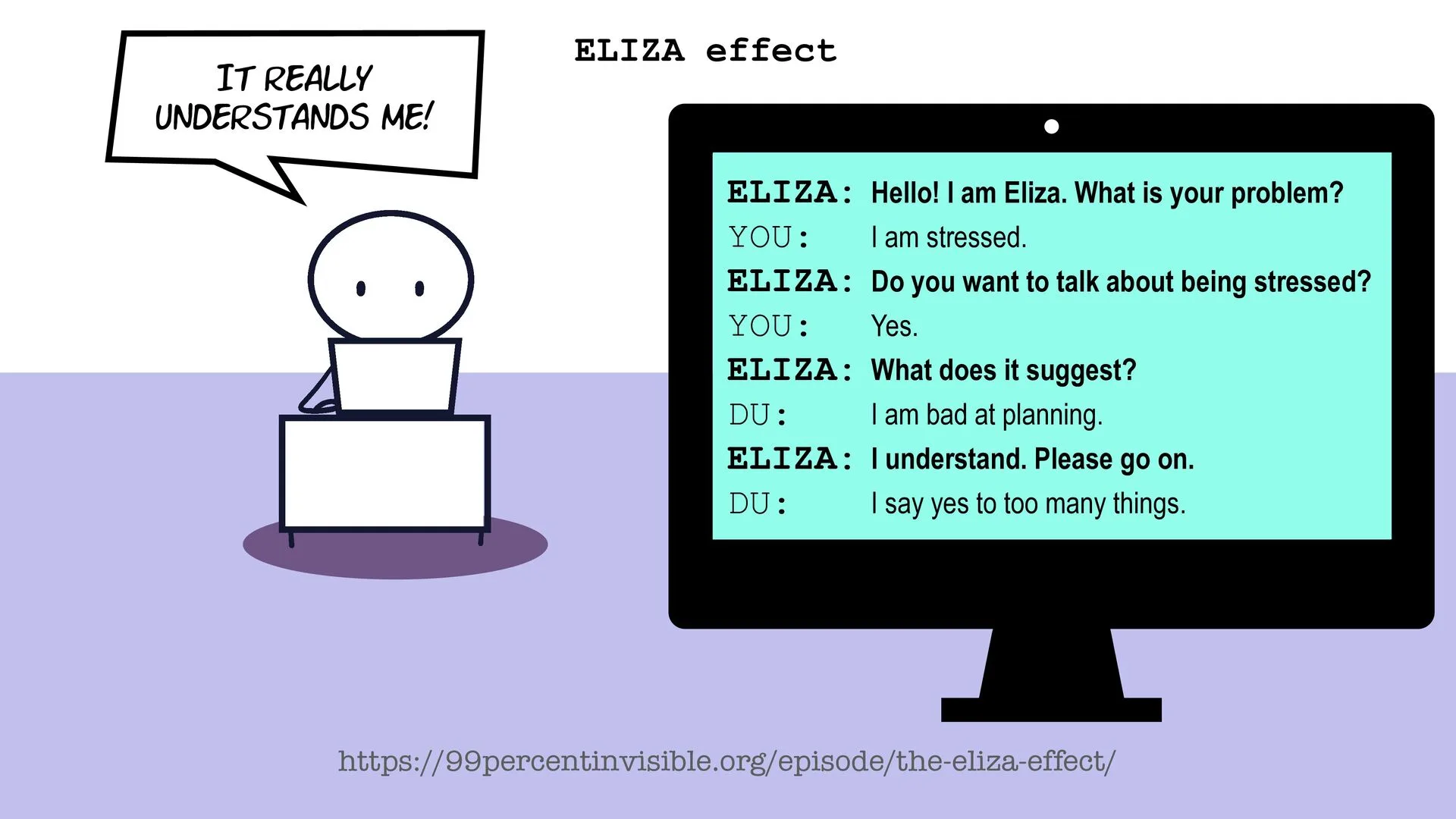
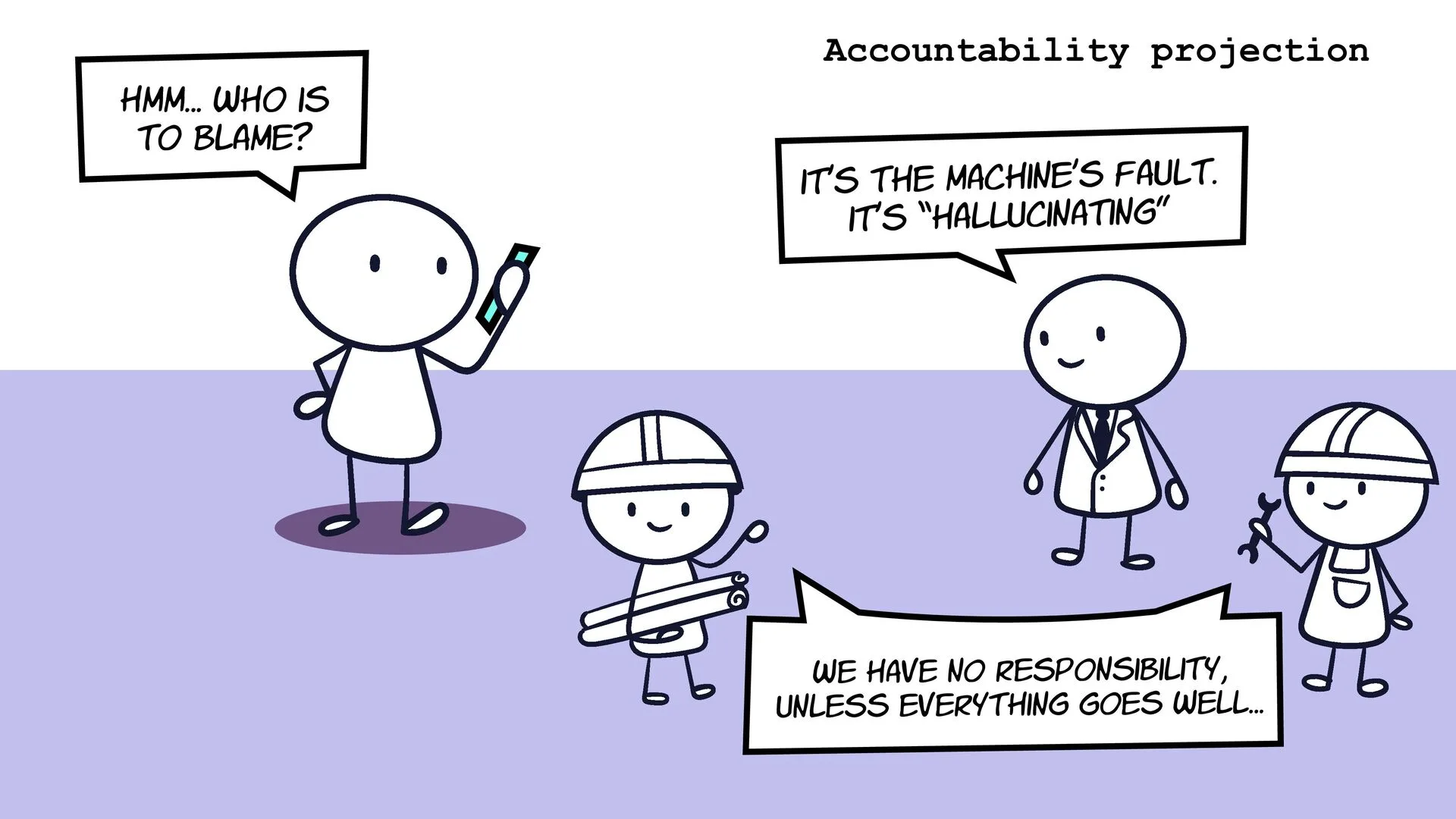
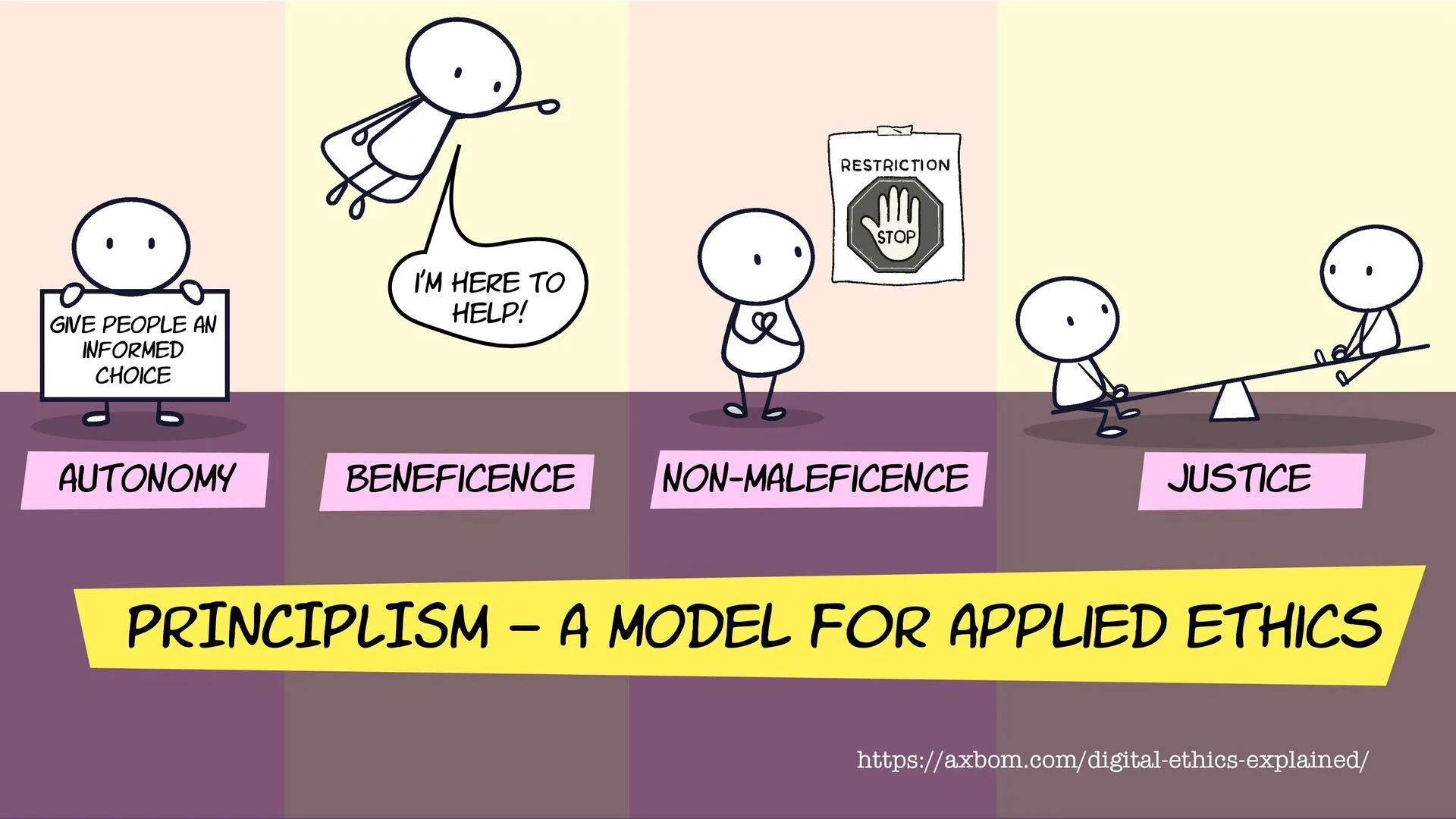
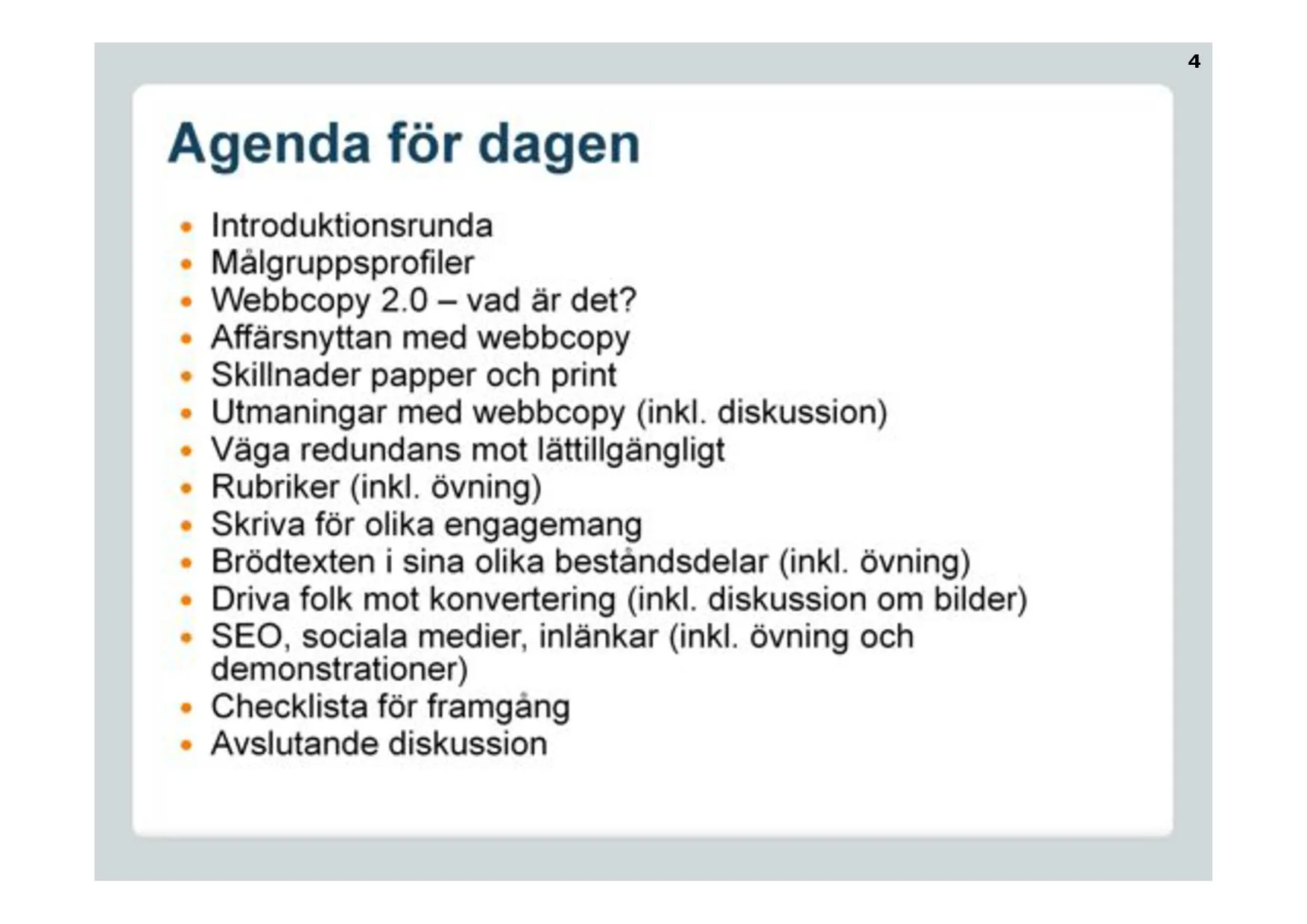
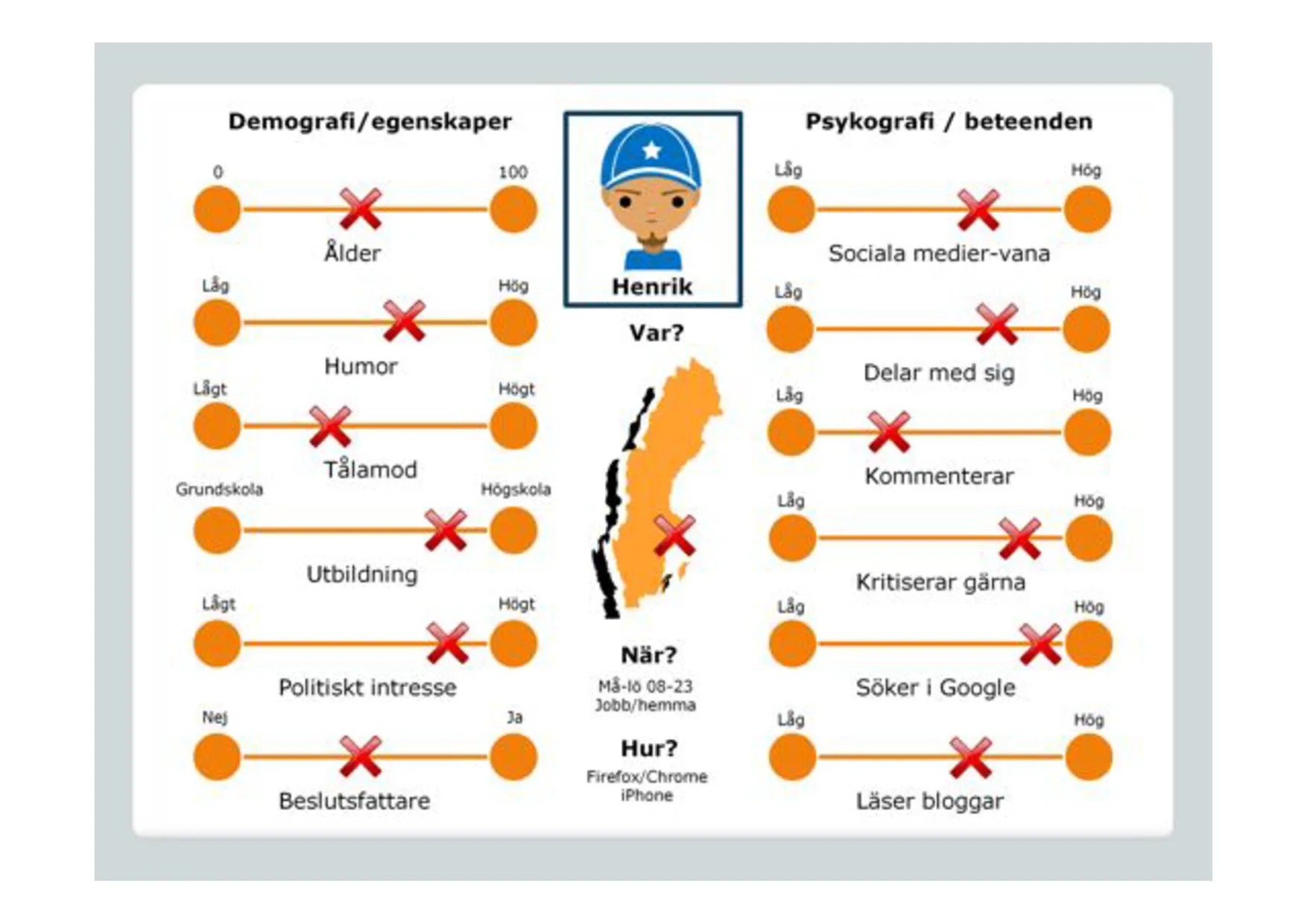
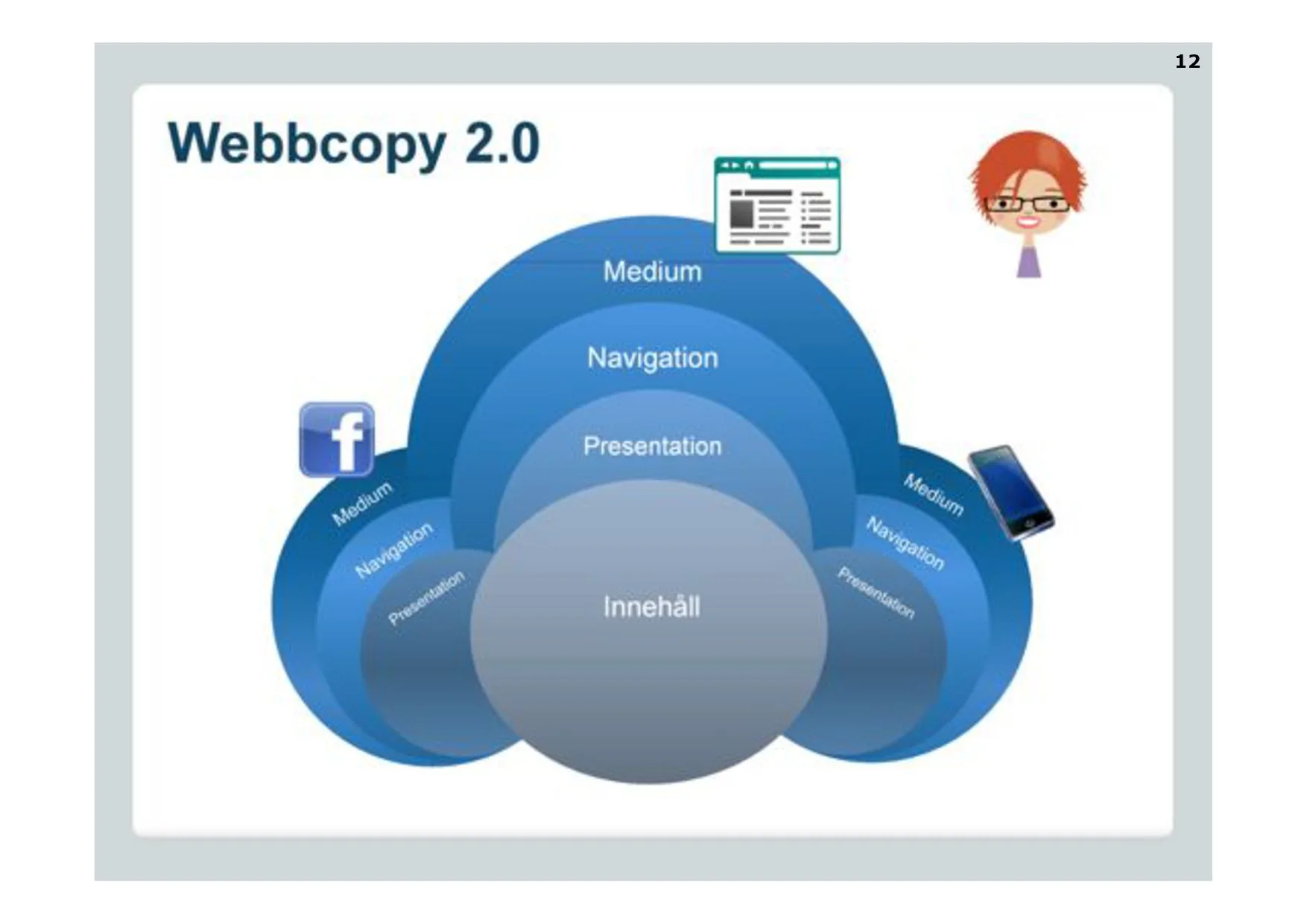
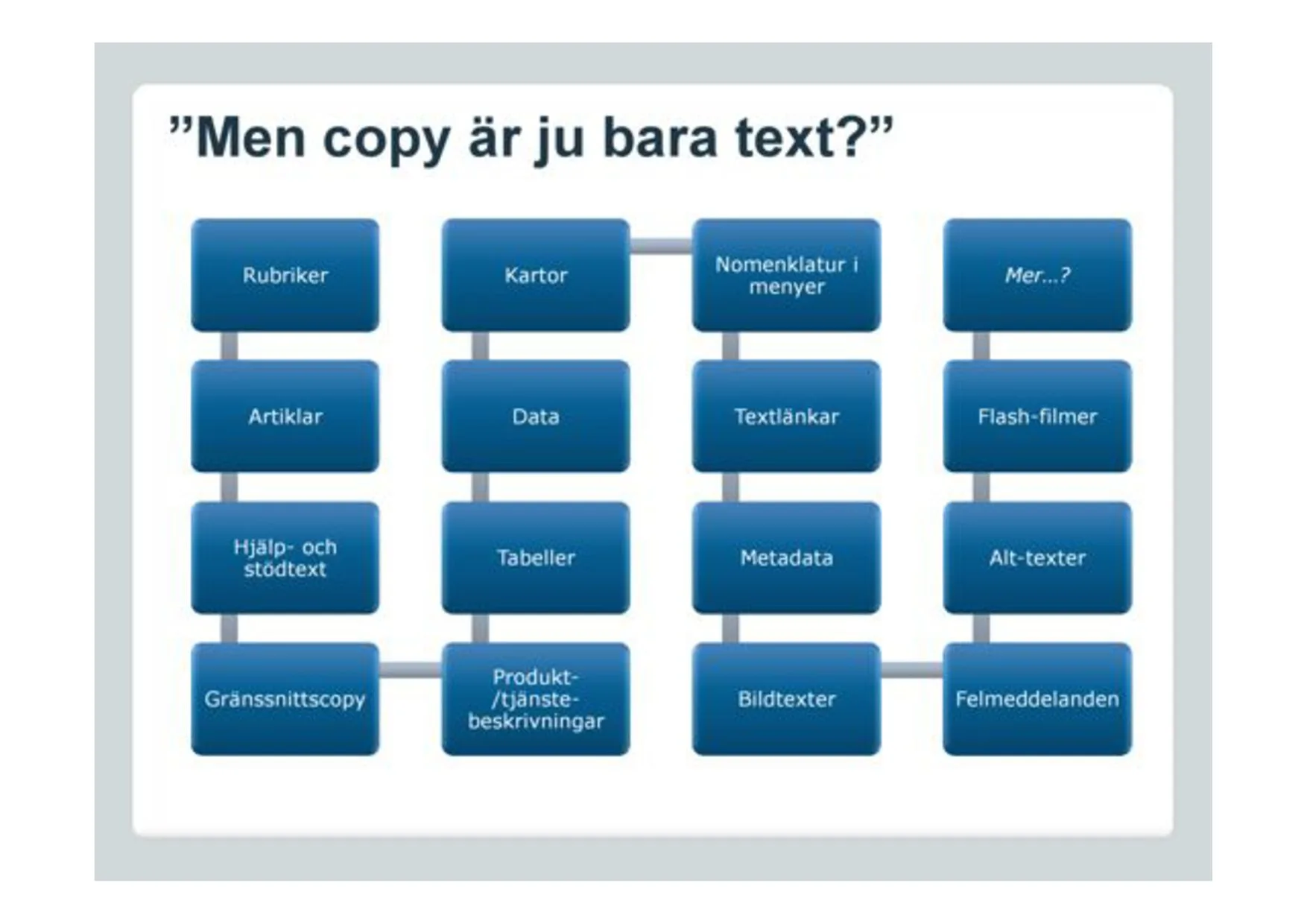
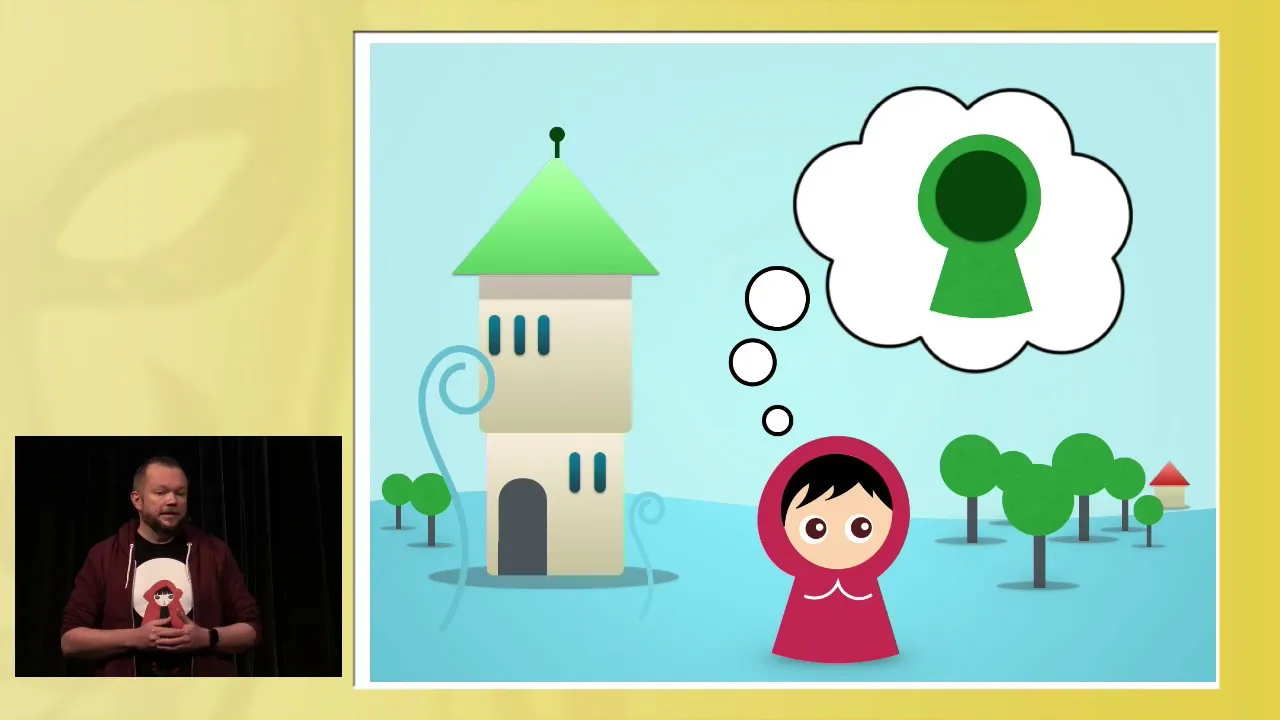
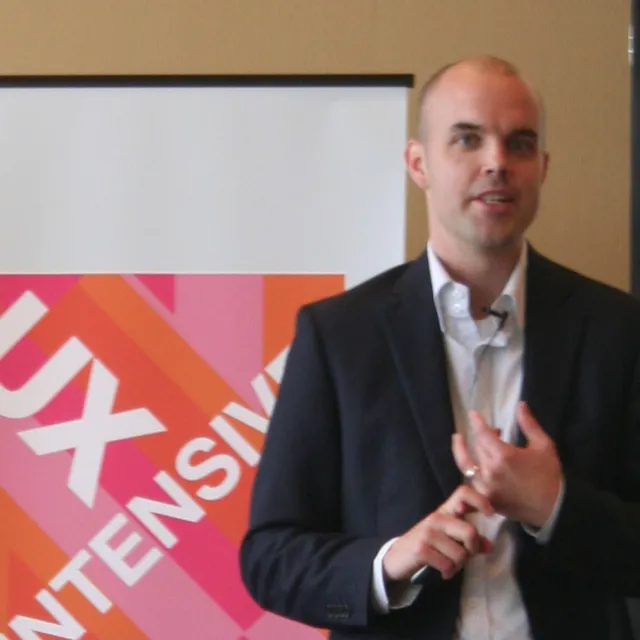
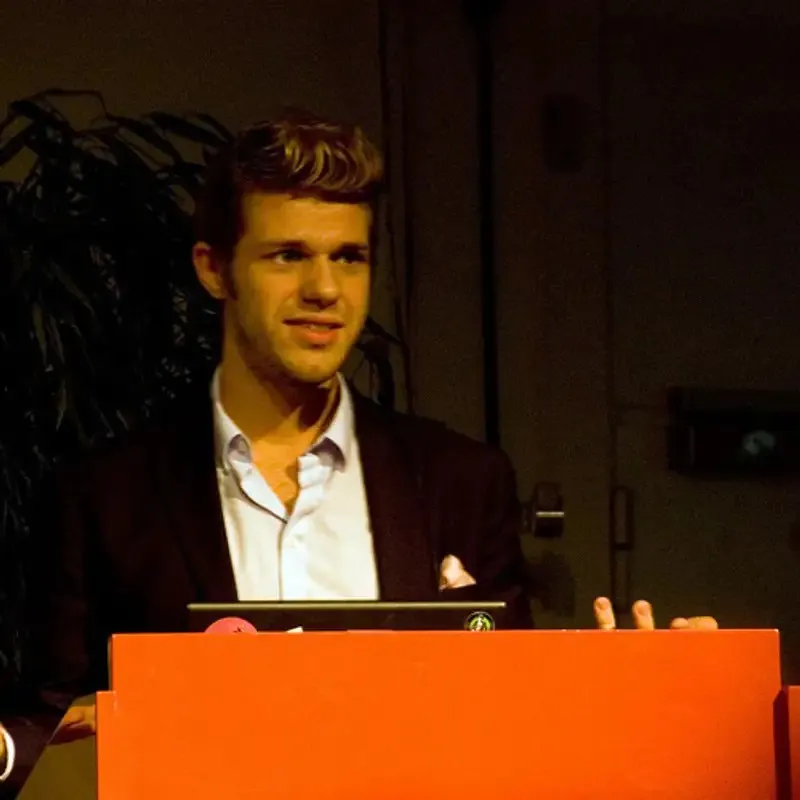
From 2012 to 2019 I drew sketchnotes live at conferences – usually one talk per iPad screen, published straight after the session. The first set, from UXLx 2012, had more than 34,000 views on SlideShare by February 2013. My favorites are the most recent, from UXLx 2019.
Read more
- UXLx 2012, Lisbon: the first full set, drawn in Paper on an iPad 2 with a Wacom Bamboo stylus.
- SSMX 2013 (Stockholm Social Media Exchange), an unconference: the day's sketches published during the dinner break.
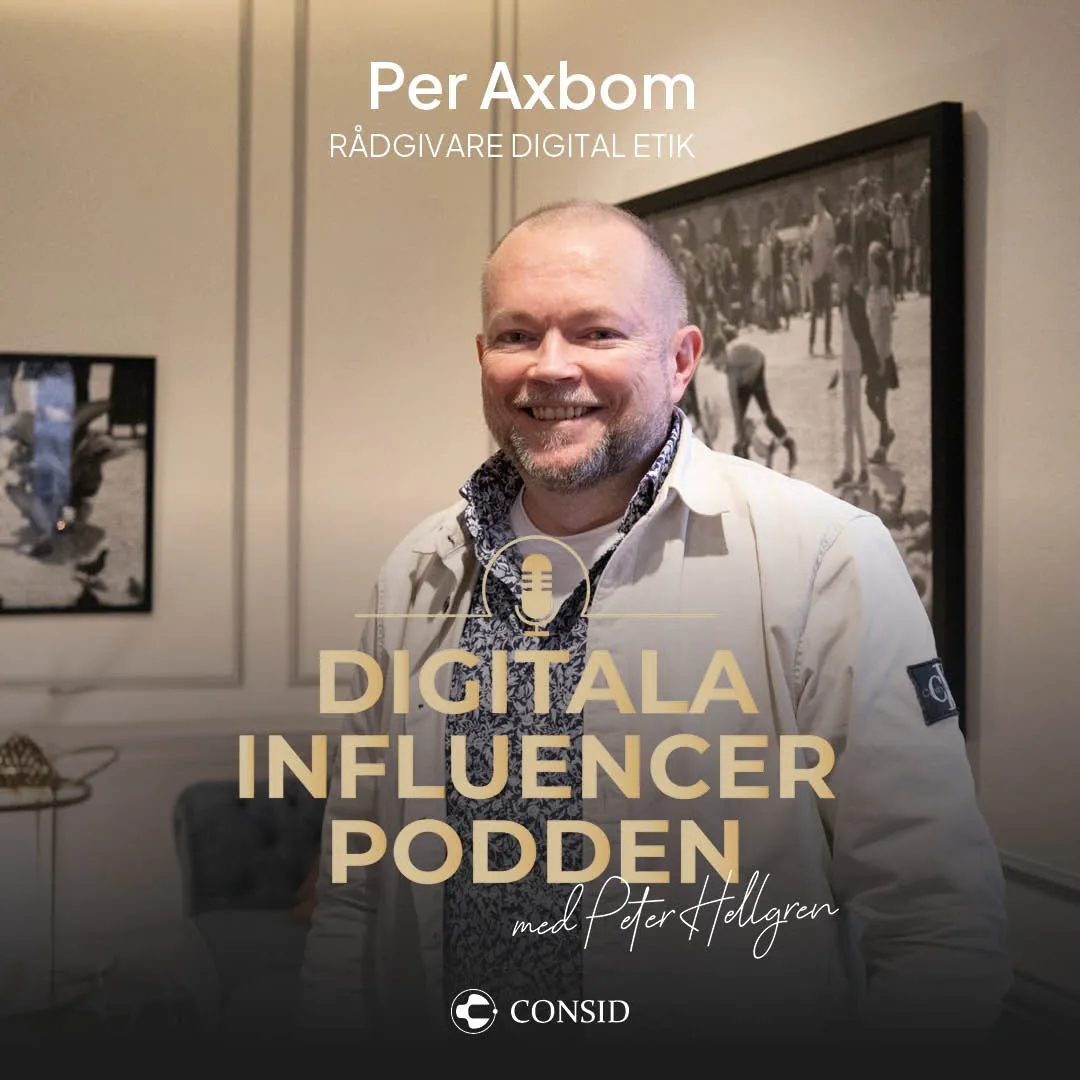
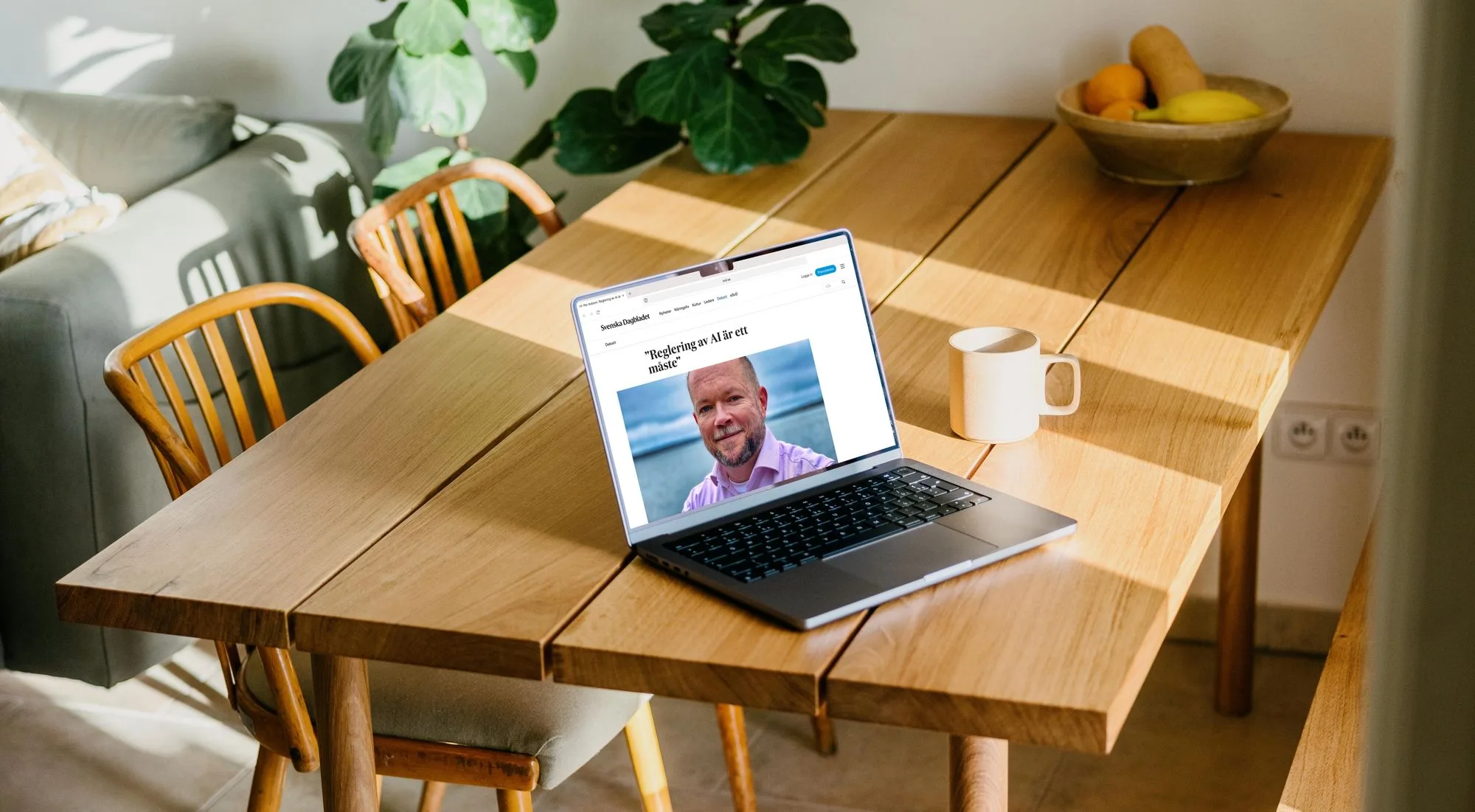
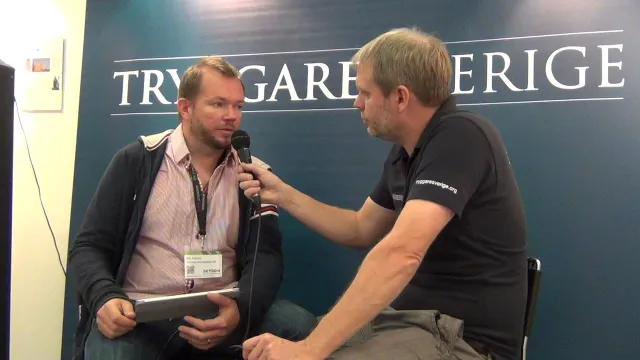
- February 2013: interviewed by David Stark for the conference magazine Svenska möten about sketching as a work tool.
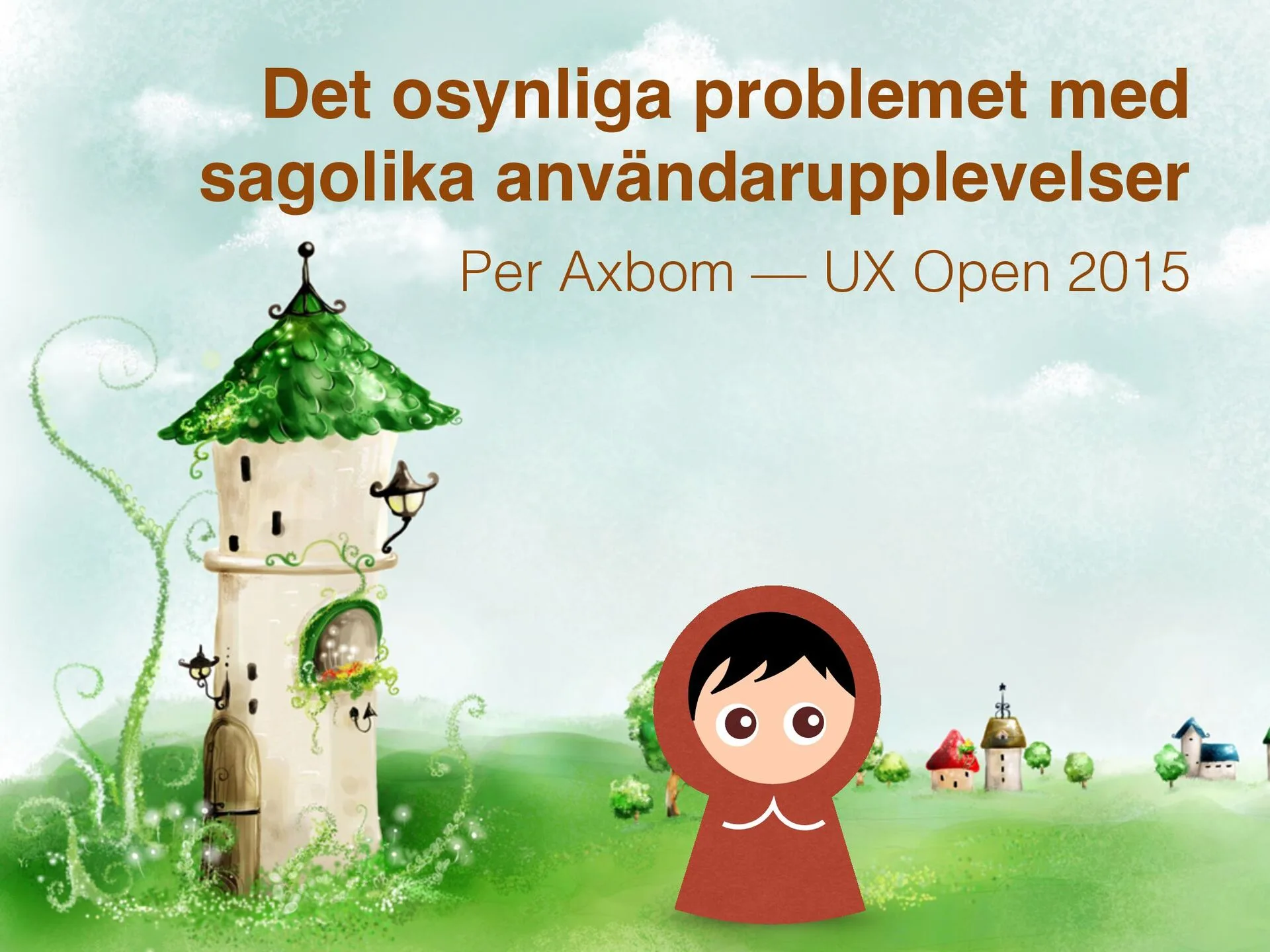
- UXLx 2015: two workshops (Abby Covert, Nicole Fenton) and a full day of talks – 11 sketches, each with a key take-away on the blog.
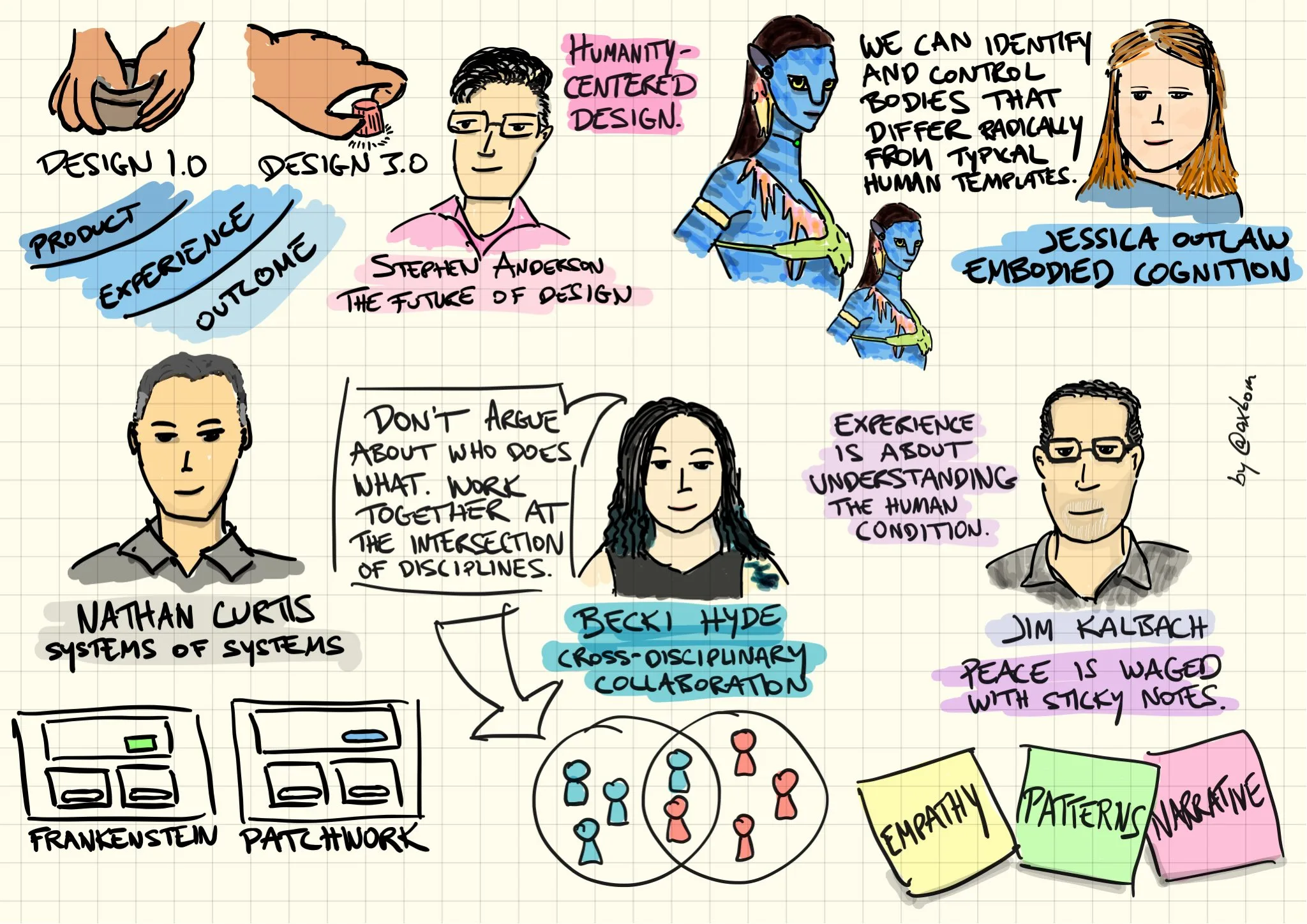
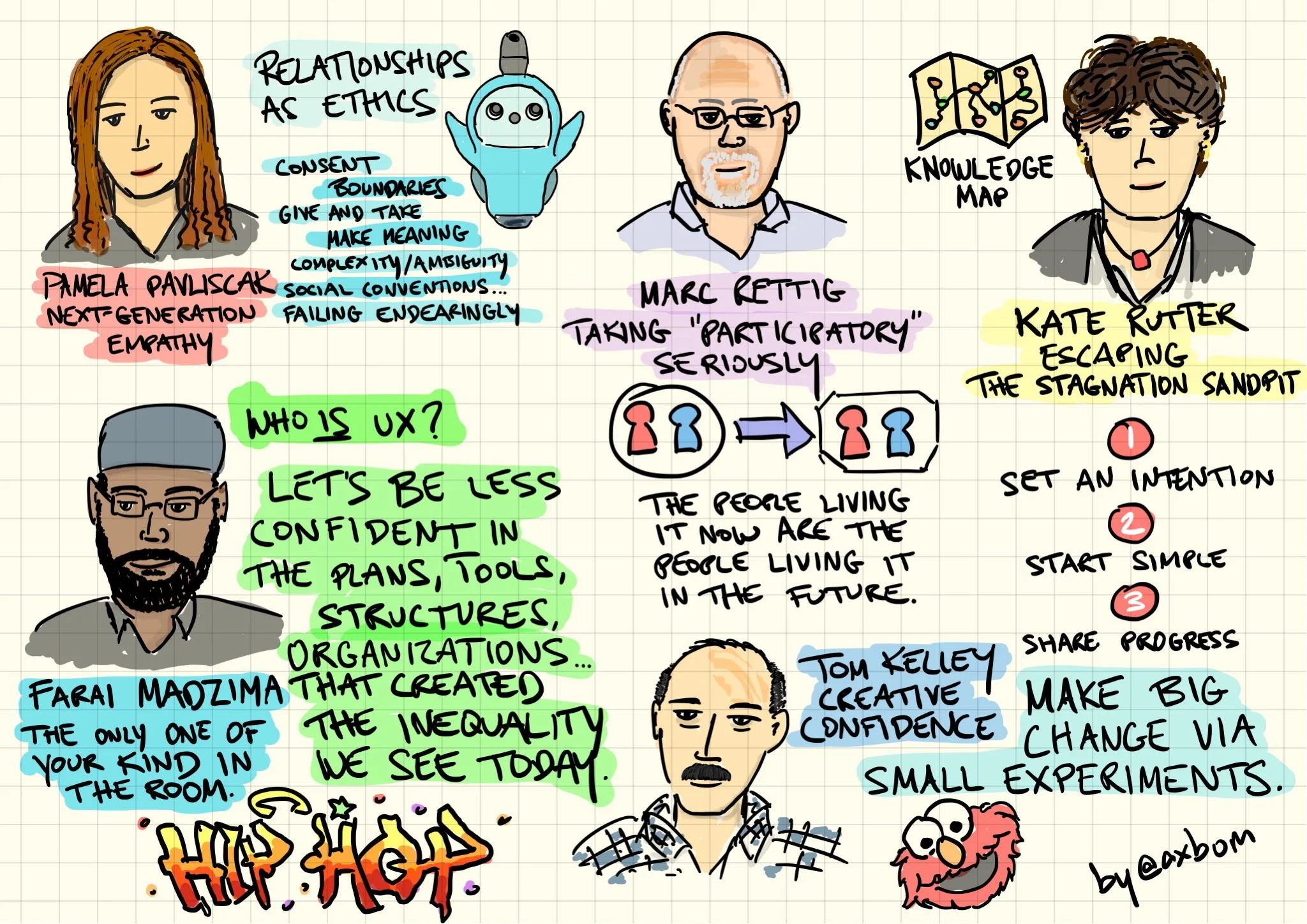
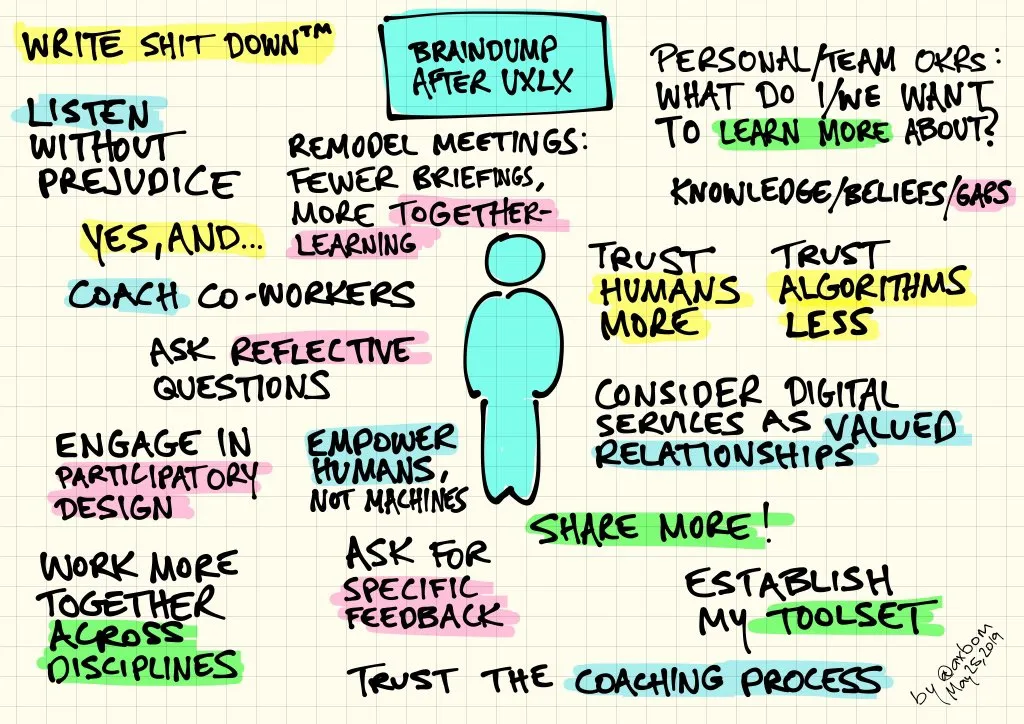
- UXLx 2019, Lisbon: two workshops (Brittney Dunkins on strategic storytelling, Kristin Skinner on Design Ops) and talks by Stephen Anderson, Jessica Outlaw, Denise Jacobs, Val Head, Pamela Pavliscak, Farai Madzima and Tom Kelley, among others – and a braindump of my own with everything I wanted to take home.
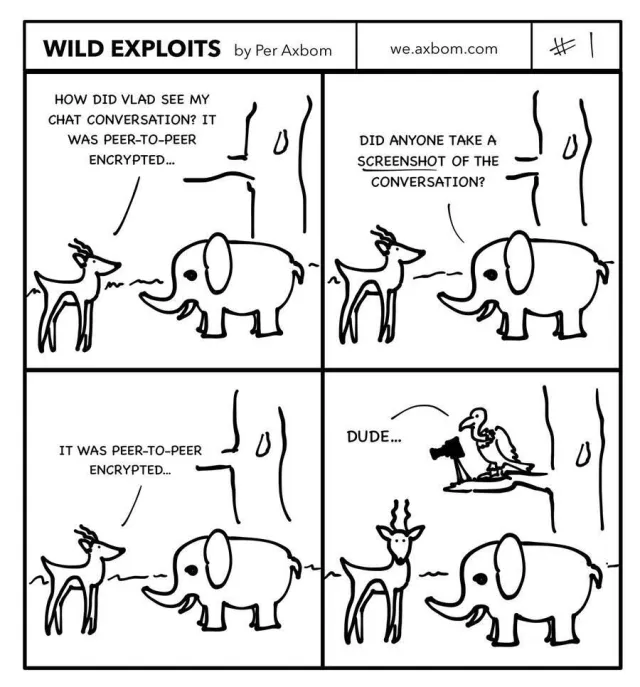
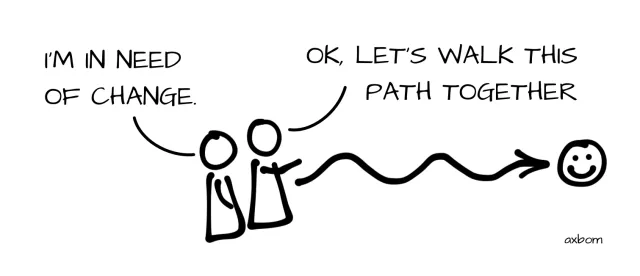
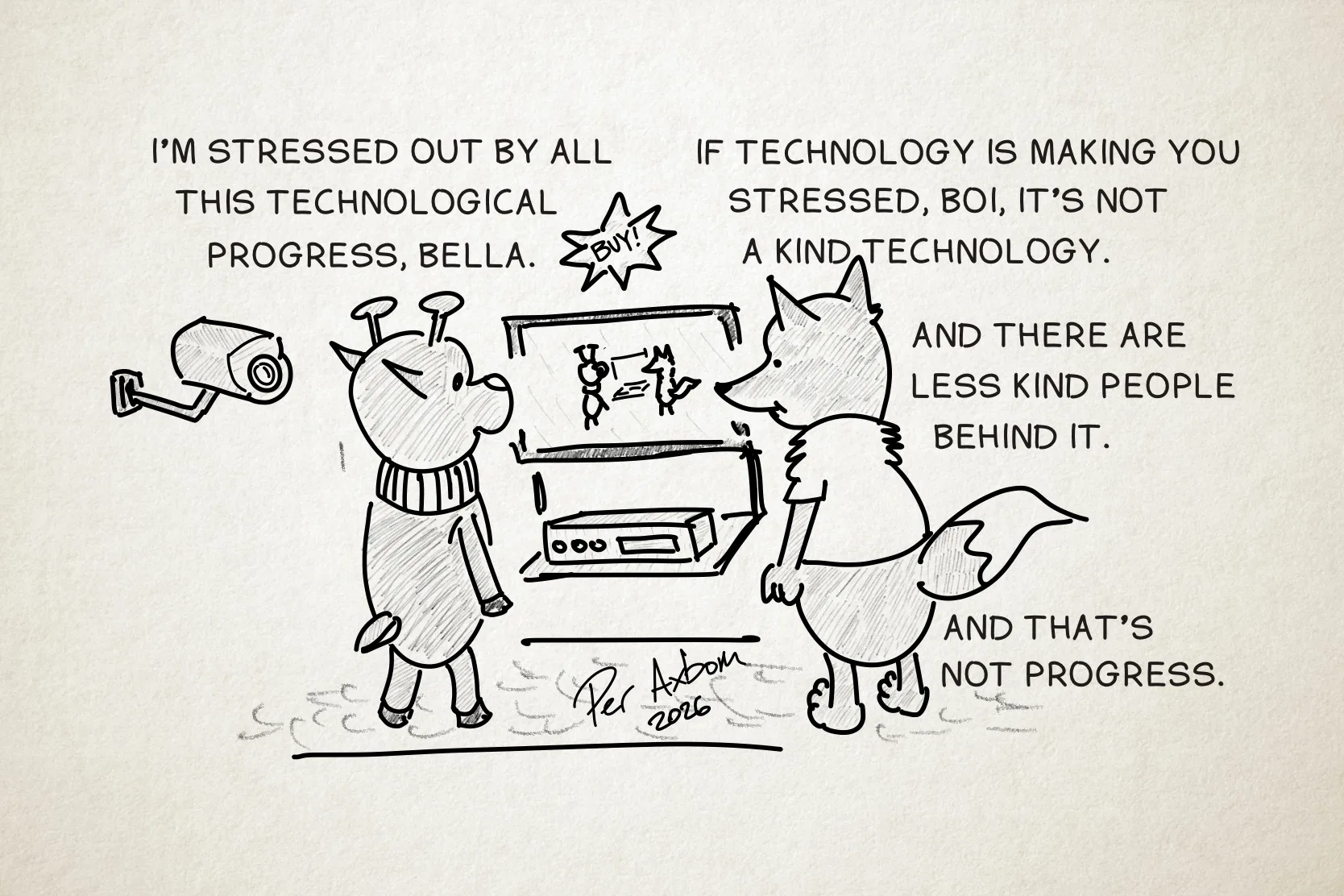
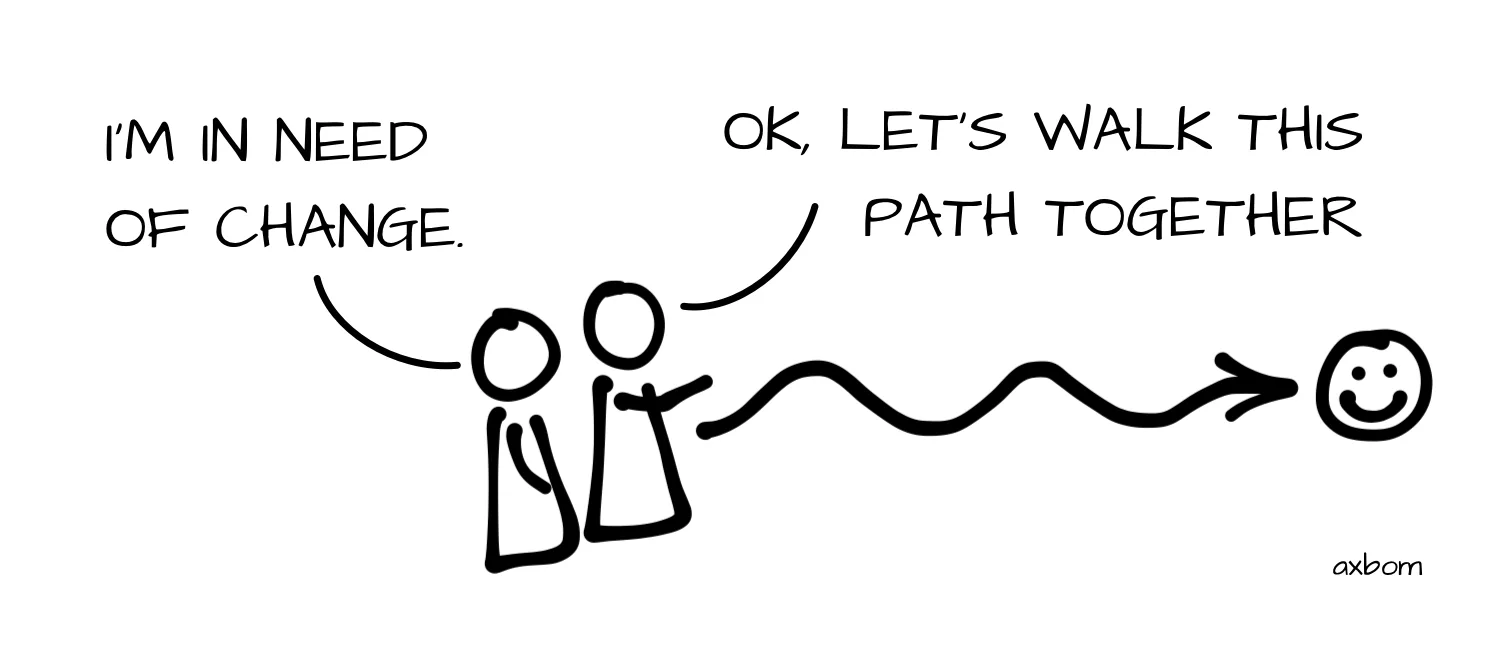
For years I was stuck in the usual, crazy belief that I couldn't draw – that you needed training, and that an adult can't learn to draw comics. Scott Adams, the creator of Dilbert, showed me that you can switch tracks completely, and xkcd showed that stick figures are enough to get intricate messages across.
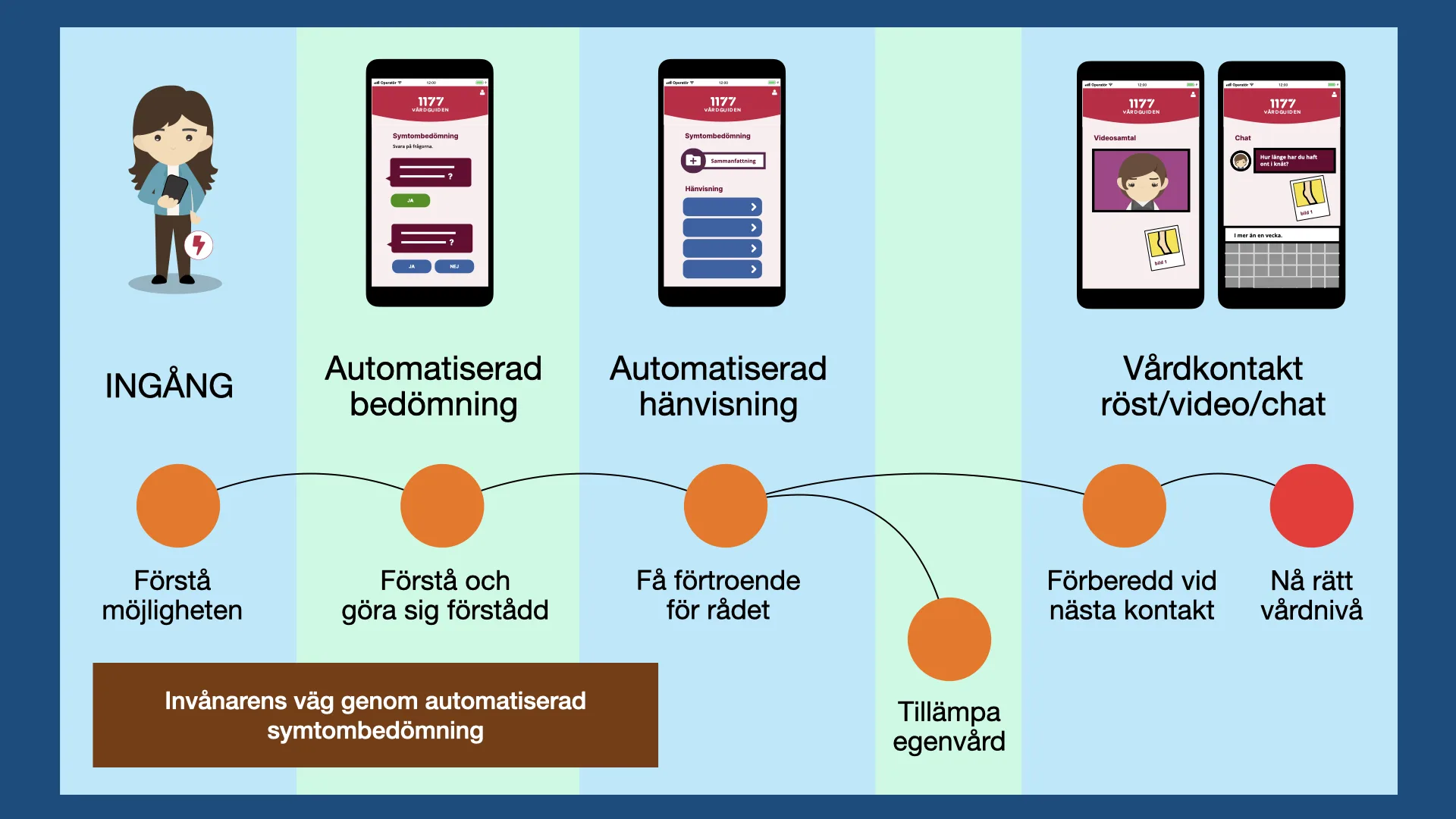
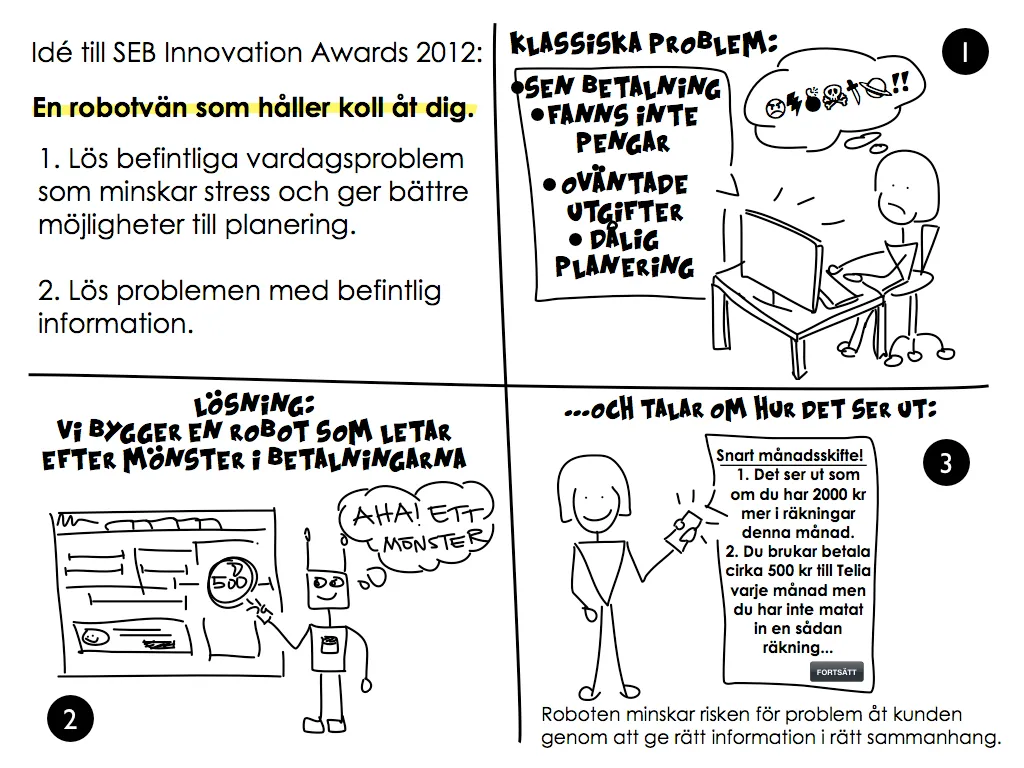
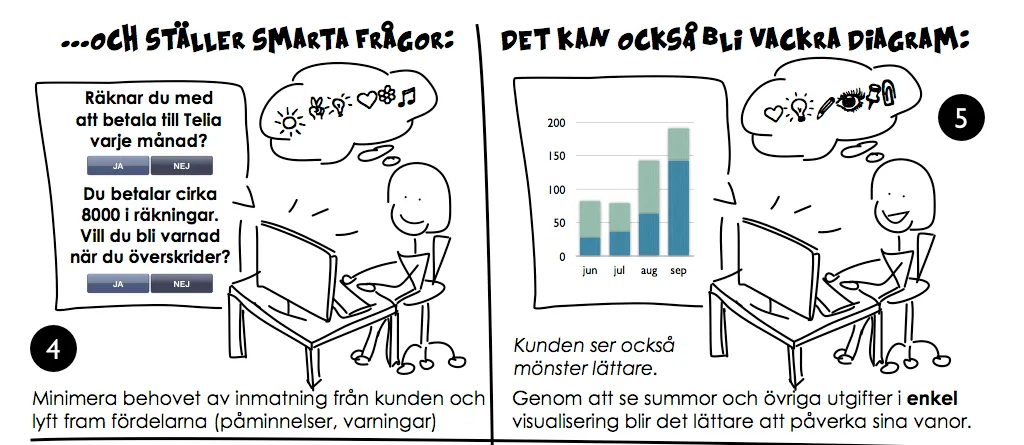
The turning point came when I started my own business and finally read Dan Roam's The Back of the Napkin. It changed how I take notes in meetings and at talks and how I sketch experience maps – and pictures, I found, created an engagement none of my classic reports had come close to. In my workshops, everyone draws.
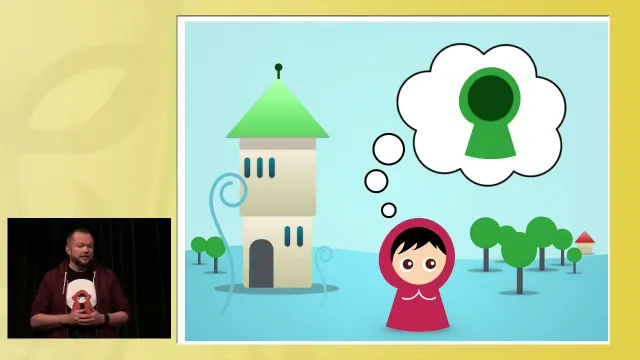
At UXLx 2012, with the new Paper app on my iPad, I sketched my way through all three days and posted each drawing on Flickr as soon as the talk ended. The response kept me going.
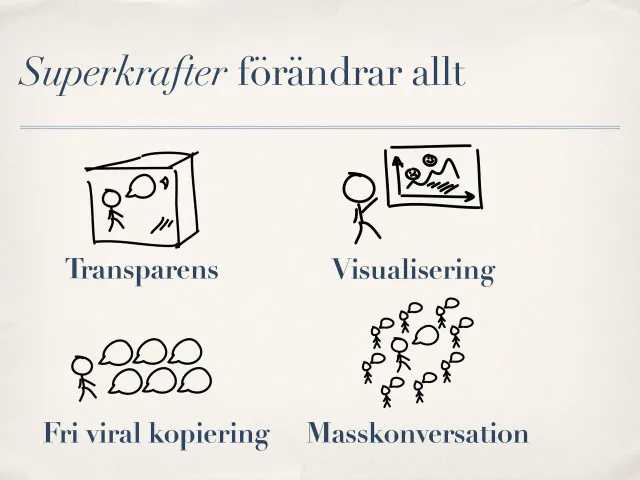
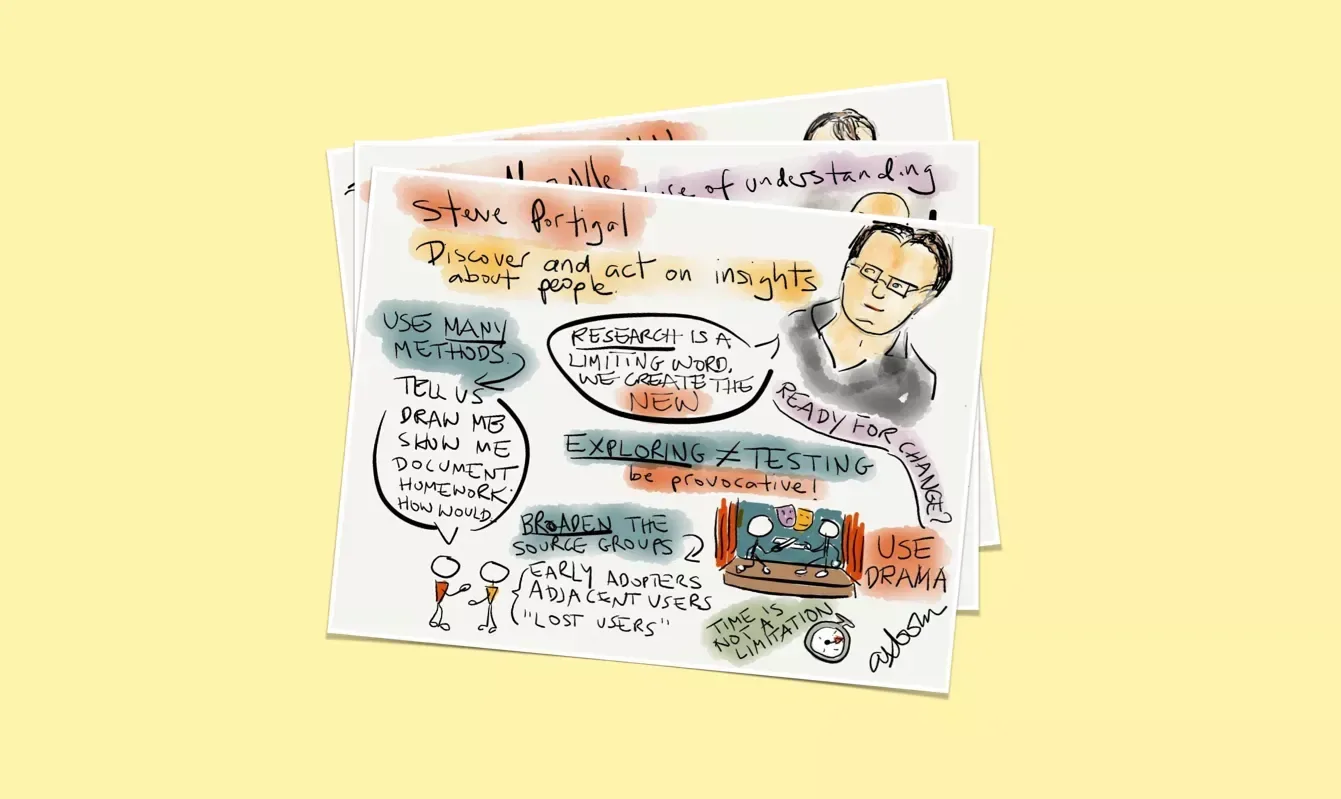
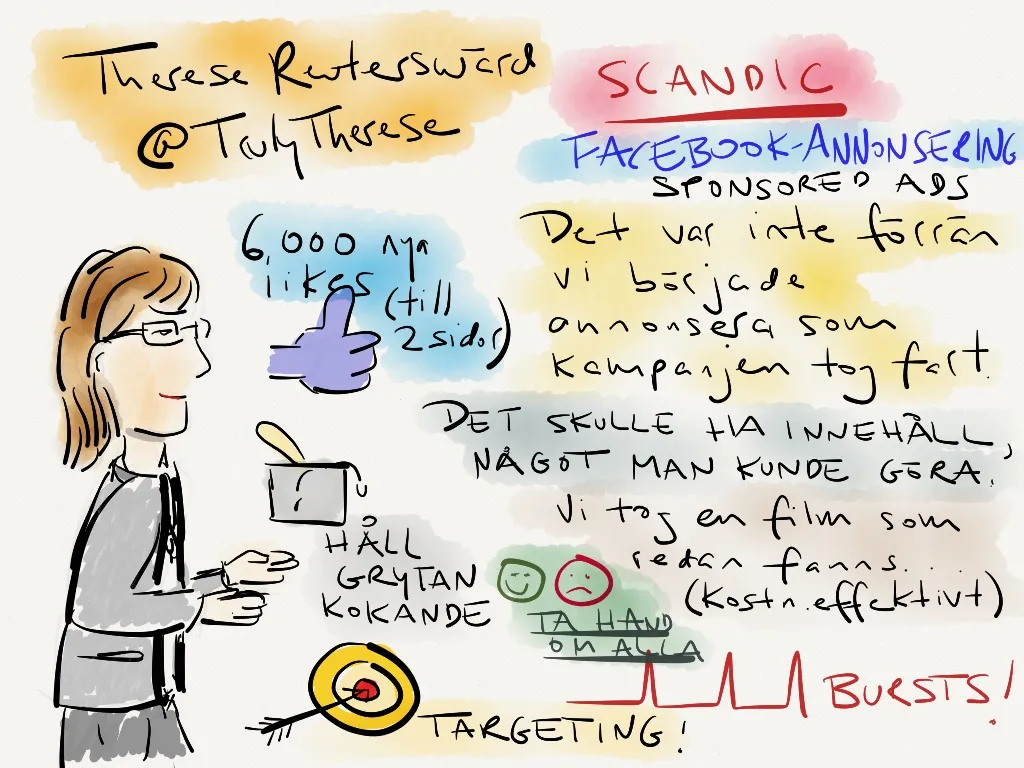
My method, as I described it in a 2013 interview: spend the first three or four minutes drawing the speaker while listening; let the audience choose the key points – whatever gets the most murmurs, whispers or laughter goes in; don't hesitate, and dare to erase. Much of what looks like drawing is text, in color and hand-drawn letters. A sketch doesn't say more than a thousand words – it makes the words understandable and interesting.
For me as a freelancer, sketching became marketing, a competitive advantage and a source of income.